Why edges fray
Short answer: Because an edge is where the fabric ends, with no neighbours left to hold on. Rubbing therefore pulls fibre ends free, and they stick out. It is an ordinary wear process that you can slow with a little thought in washing and storage.
The edge has no support
In the middle of a fabric, loops or threads hold each other in place from every side. At the edge there is only one side to hold on to, and the rest is free. So an edge resists rubbing poorly, and fibre ends can pull out and stick up though nothing else has broken.
The edge meets everything
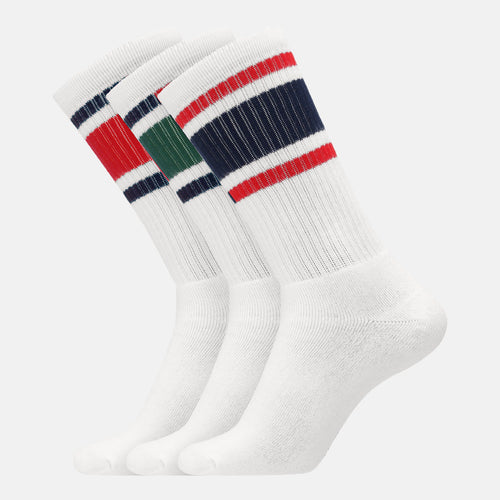
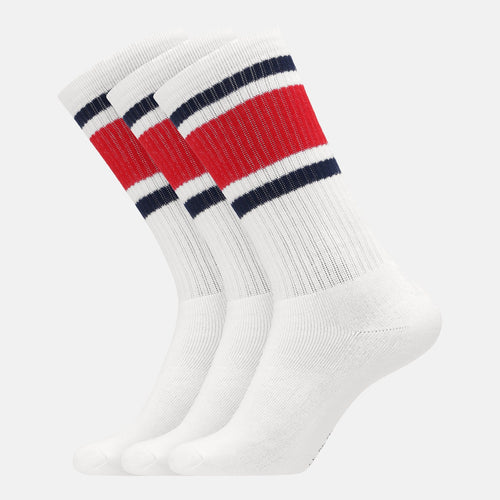
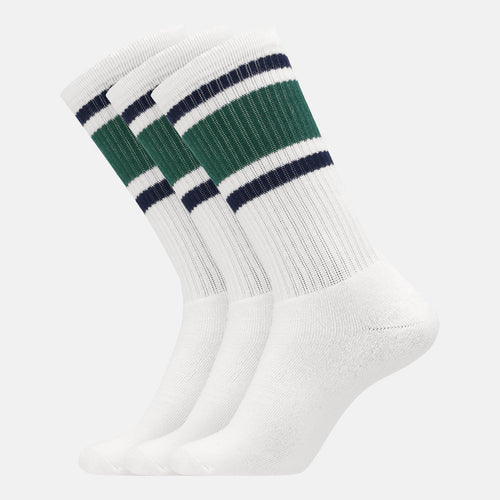
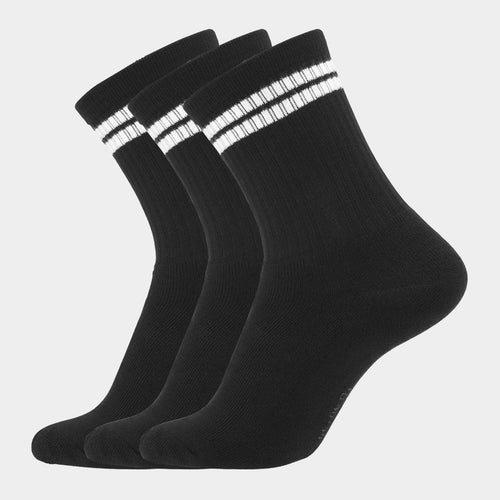
Sleeve edges, hems and necklines most often brush tables, bags, door handles and chair backs. Anything that rubs against them pulls a little at the fibre ends. It looks like little, but it happens many times a day. See bamboo footies for women, where the edge at the ankle rubs against the shoe.
The finish decides how long
An overlocked or coverstitched edge lasts far better than a raw edge, because the threads lock the fibre ends into the fabric. A raw edge is simply cut and has nothing holding it together. How a garment is sewn, you can often see by turning it inside out and looking at the edge. See bamboo underwear for women and bamboo tennis socks for women.
Fibre ends loosen gradually
The first signs of a fraying edge are small threads sticking out. They may seem harmless, but each thread that comes loose makes it easier for the next to follow. Slowly the edge grows a little more uneven and wider. It happens slowly, but can speed up if the edge keeps being rubbed and washed hard.
Washing and drying load the edge
In the washing machine clothes hit each other and the drum, and edges are the parts that get hit first. Zips, buttons and hooks on other clothes can catch on an edge and pull fibres out. If you close zips and wash in a laundry bag, you protect edges better. The tumble dryer adds more wear.
Knits and wovens fray differently
Knits and wovens behave differently at the edge. A knitted fabric can unravel if a loop breaks, because the loops hang together in one long thread. A woven fabric frays instead, because threads lie across each other and slide free. Both are wear, but they do not look the same.
How to trim loose threads properly
If you have a loose thread, cut it close and never into the edge itself, or you will loosen more. Use small sharp scissors and do not pull the thread first, since that can gather the edge. If the thread is long, you can sew it in with a needle rather than cutting it off.
Can a frayed edge be repaired
An edge that frays can be sewn over, but it will become a little shorter, and the whole edge may look different. It is an option for a favourite garment. Sew a new, close edge with small stitches or use a tape. If you do not want to sew it yourself, a tailor can help.
When is it a problem
A few loose threads on an edge are normal after long use and no sign that the garment is ruined. It becomes a problem only when the edge starts to open, or when fraying runs on into the fabric itself. Then it is wise to repair it while it is still a small job.
Frequently asked questions
Can I cut off the loose threads
Yes, but cut close and never into the edge itself, or you loosen more. Use small scissors and do not pull the thread before cutting it off.
Can a frayed edge be repaired
It can be sewn over, but it becomes shorter. It is an option for a favourite garment. Use small close stitches and a thread that suits the fabric.
Does knit fray more than woven fabric
Knit unravels more, while woven fabric frays. They each do it their own way, and both can be limited by gentle washing and sensible storage.
You can find the full range at Bamboo-Clothing.com.