Why everything has to be washed before it is packed away
Short answer: Invisible traces of sweat, skin oil and food turn into yellow marks and into food for insects. A garment that looks clean is not necessarily clean. Here is what sits in the fabric, what happens over a season and what you should do.
What sits in the fabric
Salt and fats from the skin, traces of deodorant and microscopic crumbs of food sit in textiles after use. None of it can be seen or smelt after a single day of wear, but all three get worse with time. That is why a garment that looks clean is not necessarily clean enough to pack away.
Why you cannot see it
Many of the traces are transparent and work in between the fibres. Sweat dries in without leaving a mark, and skin oil is almost invisible when it is new. That is why clothes can feel fresh and look tidy while traces sit in the fabric that only show after a few months.
What happens over a season
The fats oxidise and turn yellow. The yellow marks are permanent, because they have bonded chemically to the fibre, and they are hard to wash out afterwards. It happens slowly and out of sight while the clothes lie in the bag. When you take them out, the marks are already there. Read more about bamboo sweatwear.
Food for insects
Traces of sweat, skin and food are also what attract insects that feed on textiles. A garment that has been washed clean is far less interesting to them. That is one more reason to wash everything before putting it away, and to store it in closed bags or boxes.
What you should do
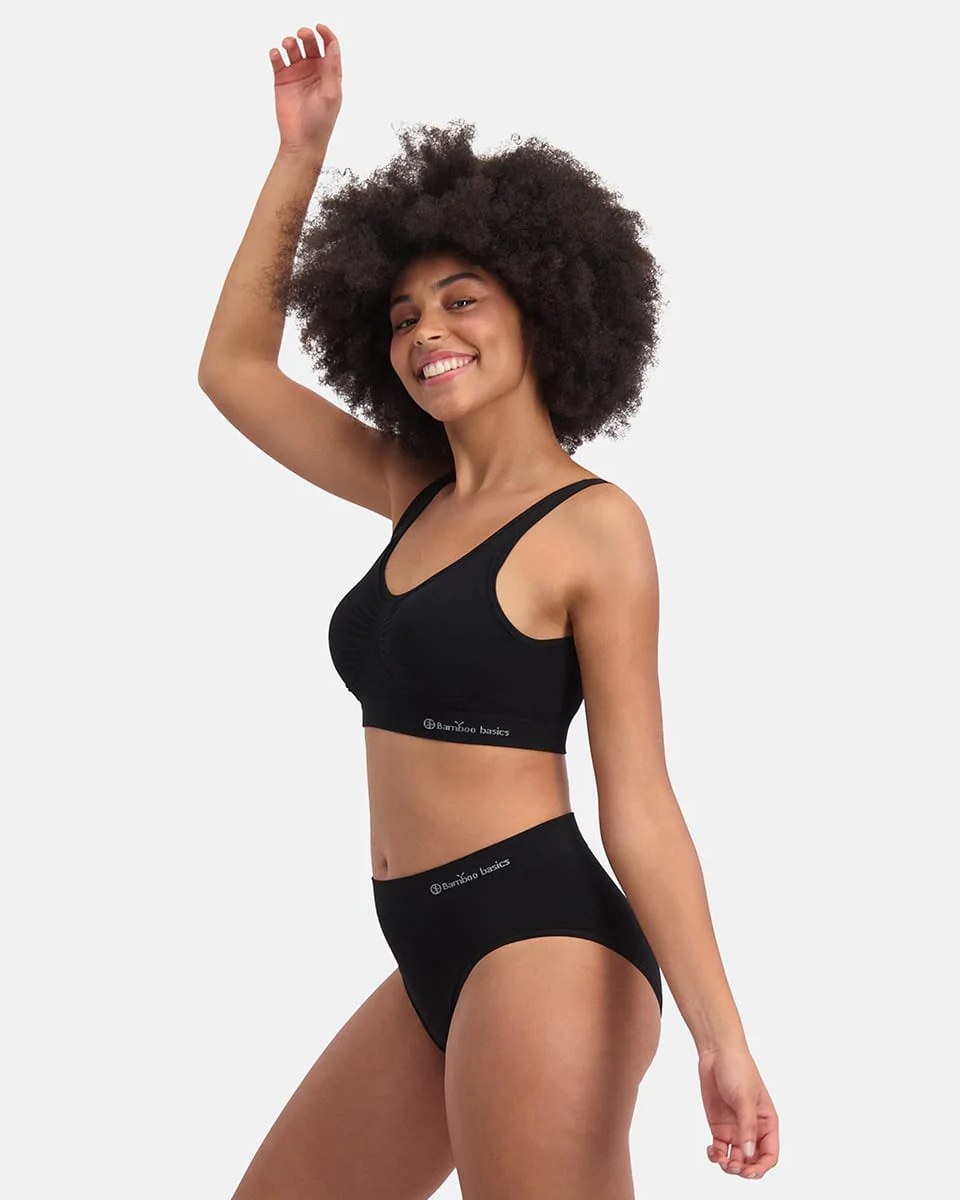
Wash everything, dry it fully and then pack it away. The order matters: first wash, then dry, and only then pack. Follow the care label in the garment and use a detergent that suits the fabric. Do not pack away anything that is slightly damp, because the moisture is shut in. Read more about bamboo training clothes for women.
How long the clothes must dry
The clothes must dry all the way through, including seams, collars and pockets. If you are unsure, leave them hanging one more day. Dry them somewhere with good air, and avoid putting them on a hot radiator, which can wear the fabric. Feel with your hand before packing that no cool or damp spots remain.
Does it apply to lightly worn clothes
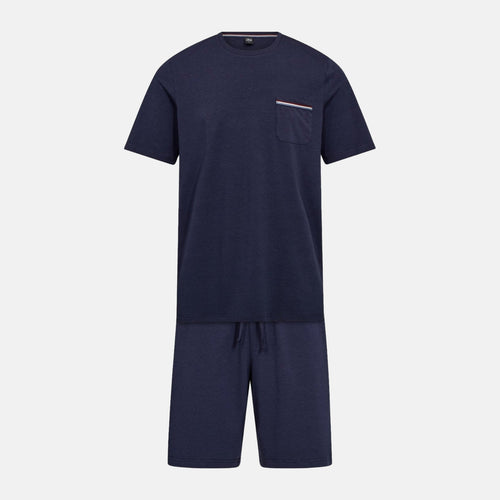
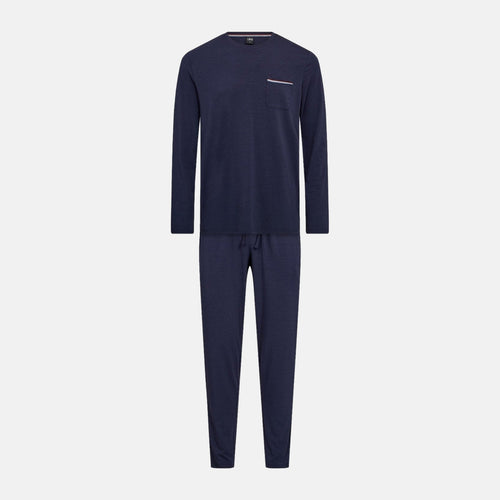
Yes, even to clothes worn only once. One day is enough to leave skin oil and sweat in the fabric. If you think it is a waste to wash something barely worn, remember that it is far more wasteful to find yellow marks in a garment you cared for. Read more about bamboo loungewear for men.
Can yellow marks be removed afterwards
Rarely completely. Once the marks have bonded to the fibre, you may lighten them a little, but they seldom disappear. That is why the order matters: it is far easier to wash clean first than to try to rescue a garment afterwards. If you are unsure about a particular garment, follow its own care label.
A fixed routine helps
Make washing and drying a fixed part of the season change. Set aside a day when everything going away is washed and dried before it is packed. Then you do not have to remember each time, and the clothes lie clean and ready when the next season starts, without you having to wash anything in a hurry.
Frequently asked questions
Does it apply to something worn only once
Yes. A single day is enough to leave skin oil and sweat in the fabric, and those traces turn into yellow marks over a season, so even lightly worn clothes should be washed before they are packed away.
How long must the clothes dry
They must dry until completely dry all the way through, including seams, collars and pockets. If you are unsure, leave them hanging one more day before you put them in the bag.
Can yellow marks be removed afterwards
Rarely completely. The marks have bonded to the fibre, so it is far easier to wash the clothes clean first. That is why the order matters when clothes are packed away.
You can find the full range at Bamboo-Clothing.com.