Why five percent elastane is the norm in underwear
Short answer: Five percent elastane is enough for the fabric to follow the body and spring back, without the garment feeling tight or losing its life too soon. It is a compromise that has lasted for decades. Here is what elastane does and what you notice day to day.
What elastane does in a fabric
Elastane is a thin, stretchy thread blended into the fabric together with the bamboo viscose. It lets the jersey stretch and pull back as you move. Without it, the fabric mostly follows the stretch but does not fully return to its shape once you stand up again.
Enough to keep its shape
Below five percent the fabric recovers more slowly, and a close fitting garment starts to bag out after a few hours. You see it most at the knees, seat and waistband, where the fabric works hardest. Five percent is enough to avoid that in most everyday situations without you having to think about it.
Not so much that it squeezes
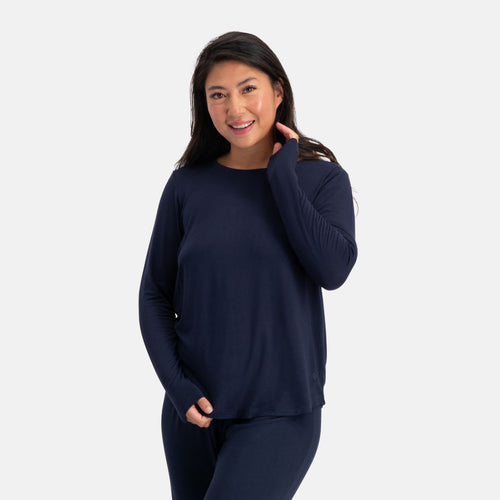
Above eight to ten percent the fabric starts to press, mostly at the waistband and thighs. Comfort is the first thing to go, even if the garment looks fine on the hanger. A fabric that presses all day ends up at the back of the drawer. Try our bamboo T-shirt for women for a soft feel.
Lifespan follows the amount
Elastane is worn down by sweat and heat. The more of it in the fabric, the more can be lost over time, and the clearer it becomes when it happens. A garment with a moderate share of elastane therefore often ages more calmly than one stretched to the limit, especially if you wear and wash it often.
Heat is the weak spot
High temperatures in the washer and dryer wear on elastane faster than on the fibres themselves. Wash at a low temperature and let the garment dry on a hanger or rack when you can. That way the fabric keeps its spring longer, and you can wear it more times before it starts to sag.
Different garments, different needs
A looser piece such as a petticoat or homewear needs less stretch than close fitting underwear, because it does not have to hug the body in the same way. That is why the elastane share varies from model to model, and it is perfectly normal. See our bamboo petticoat and home and homewear in bamboo.
How to read the composition
The label lists fibres in percent, and elastane is often the smallest item. The number is easy to overlook, yet it says a lot about how the garment will behave. Check it when you compare two models, and remember that five percent is a good rule of thumb, not a guarantee.
When more or less makes sense
Some models are meant to fit closer, such as sports underwear or trunks, and there the label may say eight percent. Others are cut looser and manage with less. What matters is that the fabric suits the use and stays comfortable after many hours of wear.
Getting the most from the garment
Choose the right size so the fabric is not stretched from the start. Wash gently, skip fabric softener and keep the garment away from direct heat. A well sized garment is under less strain, so the elastane works within its natural range. It is a simple habit that makes a difference over months.
Frequently asked questions
Is there underwear with no elastane at all
Yes, mainly in classic cuts. They fit more loosely and bag out more easily, since nothing pulls the fabric back. Some people prefer that, while others miss the support.
Why does the label sometimes say eight percent
Because the model is meant to fit closer, for example for sport or trunks. The fabric has to give more support there, even if it sits a little firmer.
Does more elastane mean a better fit
Only up to a point. After that fit turns into pressure, and the garment squeezes at the waistband and thighs instead of simply sitting well.
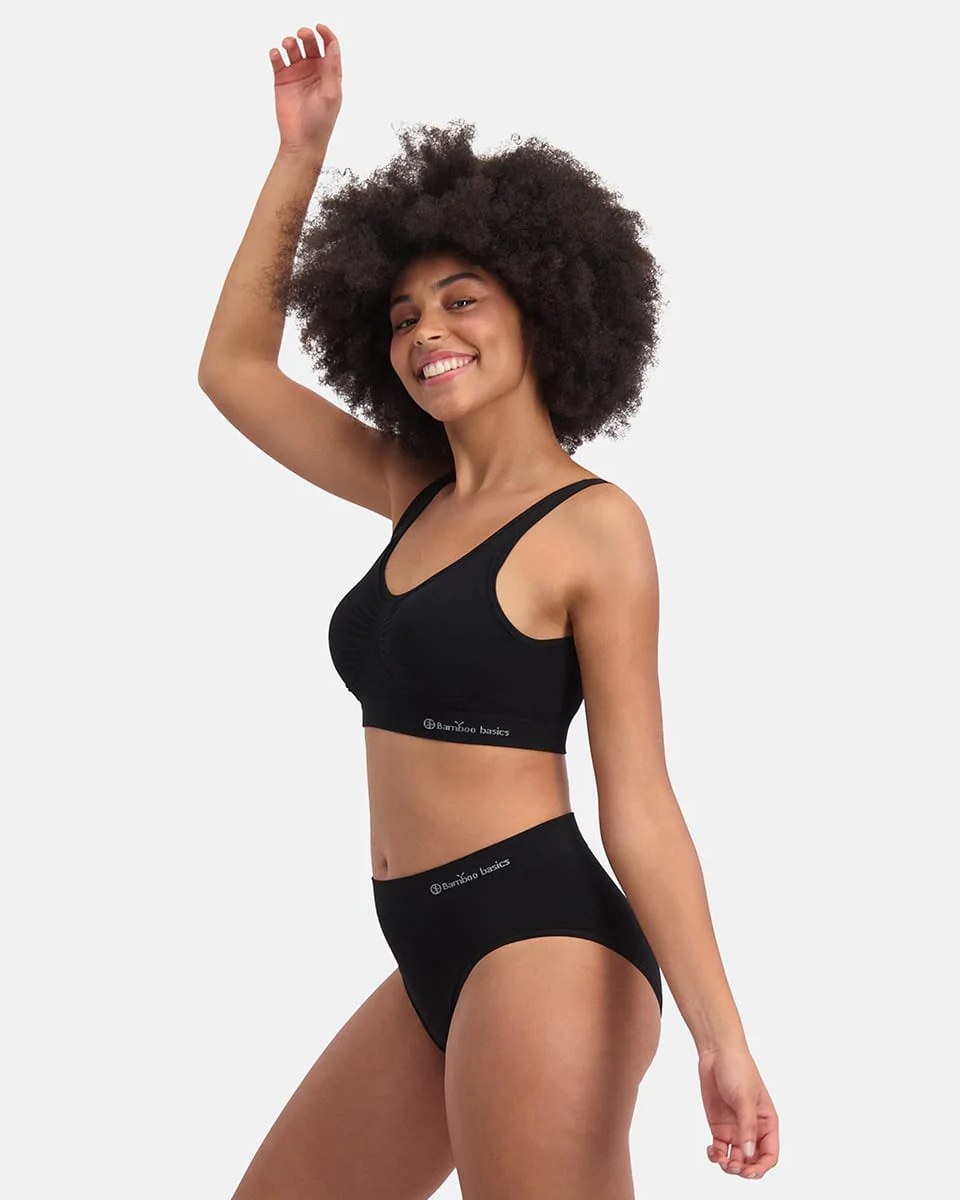
See our range of Boody underwear.