Why lint appears on clothes in the wash
Short answer: Lint is fibers from other laundry in the same machine. Towels and terry cloth shed the most of it. Wash them separately, sort by color, and the rest stays far more lint free.
Towels are the main source
Terry cloth and towels shed large amounts of loose fibers in every wash, far more than ordinary clothing does. These fibers float around in the water and settle on everything else in the machine, especially on fabrics with a slightly rough surface. Washing towels separately removes most of the problem right away. See bamboo t shirt for women.
Dark clothes show it most
Lint is often light in color, since most towels and terry products are light or white. That is why lint shows up far more clearly on dark clothes than on light ones, even though the amount is actually the same. A pair of black pants can look covered in lint after one wash, while a light piece shows none at all. See bamboo clothing for women.
Turn the garment inside out
Turning the garment inside out before it goes into the machine means lint settles on the inside rather than the outside. It is a simple change to the wash routine that costs no extra time, but makes a clear difference in how tidy the clothing looks when it comes out of the machine and gets hung to dry.
Sorting solves most of it
Wash terry cloth and towels separately from smooth, tightly woven fabrics, so they never meet in the same water. This is the simplest and most effective solution to lint in general. Sort by color at the same time, so light fibers do not land on dark clothes and the other way around. See bamboo underwear for women.
New terry items shed the most
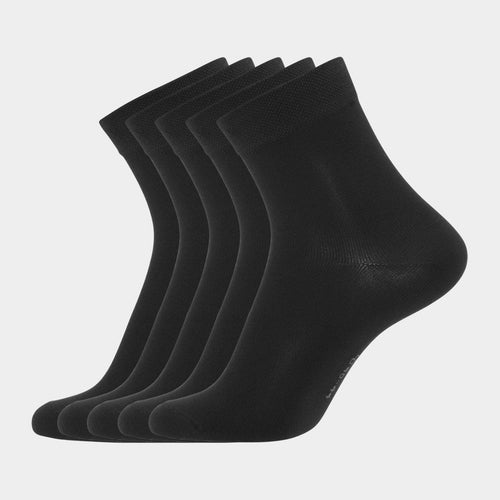
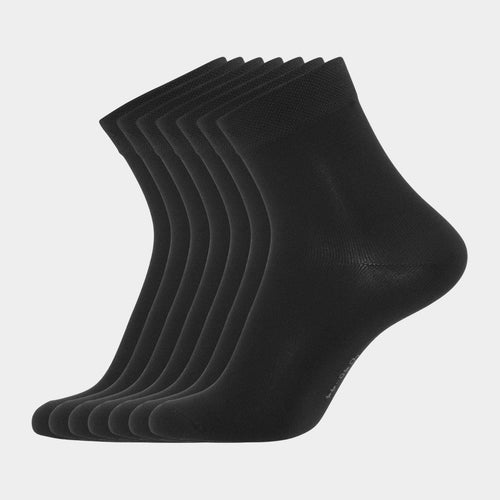
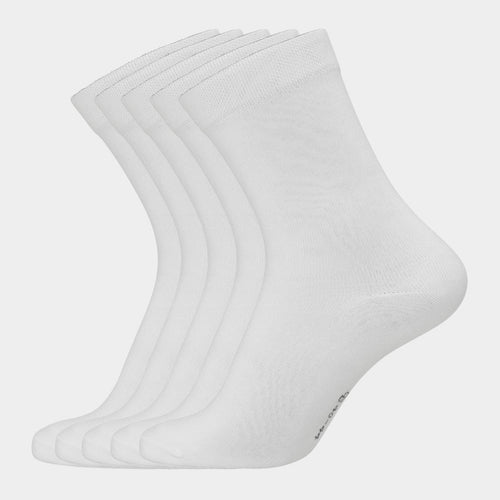
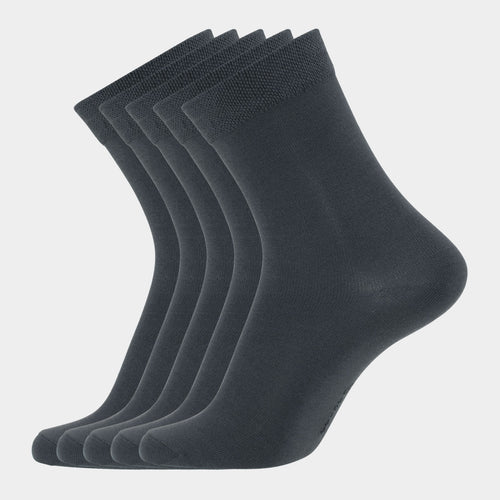
New towels and bathrobes shed noticeably more fibers the first few times they are washed than once they are broken in. Wash new terry products separately for the first three to four times, until they shed considerably less. This spares the rest of the wardrobe, including socks, the worst lint amounts early on. See bamboo socks for women.
Load the machine correctly
An overfilled machine causes more friction between fabrics, and friction is exactly what loosens fibers. Fill the machine to about two thirds, so the clothes have room to move freely in the water. This reduces both wear and the amount of fiber that comes loose during the wash.
Clean the machine filter
The washing machine's own lint filter, if it has one, should be cleaned regularly to catch as many loose fibers as possible before they settle on the clothes. A full filter catches far less and lets more fibers circulate freely in the water. It takes under a minute and is easy to forget.
Brush clothes before storing
A quick brush with a soft clothes brush removes the last fibers left behind after washing and drying. It is especially worth it on dark knitwear, where even a few fibers show clearly. A cheap brush lasts for years and works best used right before the garment goes back in the closet.
In short about lint
Lint almost always comes from terry cloth in the same wash, and the fix is to sort it out and turn vulnerable clothes inside out. With these habits the rest of the wardrobe stays far more lint free, without needing extra wash time or products.
Frequently asked questions
Frequently asked questions
Where does lint on clothes come from?
From other items in the same machine. Towels and terry cloth clearly shed the most, since their surface is made of loose fiber ends.
Why does lint show up most on dark clothes?
Because the shed fibers are usually light in color. The same amount of lint barely shows on light fabric for the same reason.
How do you avoid lint?
Wash towels separately and turn garments inside out. Fill the machine appropriately and clean the filter regularly for the best effect.
You can find the full range at Bamboo-Clothing.com.