Why the cross over a symbol is absolute
Short answer: The cross means the treatment can ruin the garment. It is the one instruction on the label that is not negotiable, and the damage can rarely be undone. You may go gentler than the label on everything else, but a cross must be followed.
The cross is a limit, not advice
Most instructions on a care label can be read leniently, for example by washing colder than stated. A cross is different. It says that this exact treatment can ruin the garment, and it is the one instruction on the label that is not negotiable. So do not guess. Follow it without exceptions.
The cross is the result of a test
The maker has tried the treatment on the fabric and seen what happens. The cross is based on a measured result to begin with. If a symbol is crossed out, it is because the fabric, colour or construction did not survive the treatment in testing. See for example bamboo nightgowns for women, where the label shows what the fabric tolerates.
The damage is usually permanent
A shrunken knit, a warped shape or a melted print cannot be reversed. You cannot stretch the clothes back, and you cannot remove discolouration that heat has fixed. That is why the cross is there. It prevents damage that cannot be repaired afterwards and is often noticed only when the garment comes out of the machine.
A complaint will not cover it
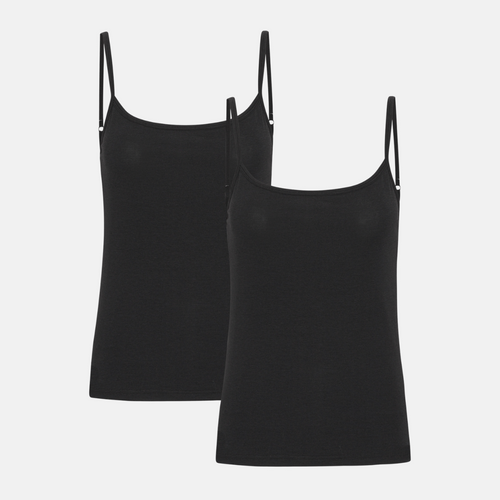
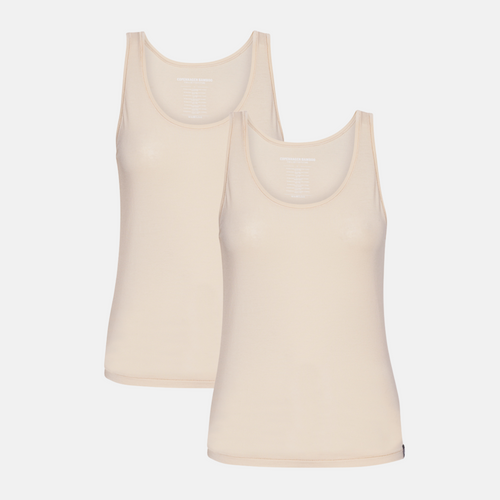
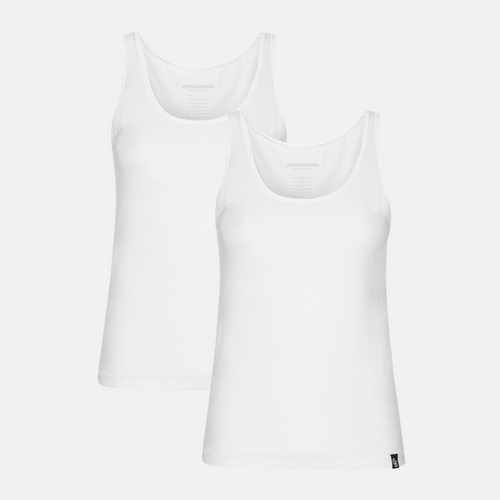
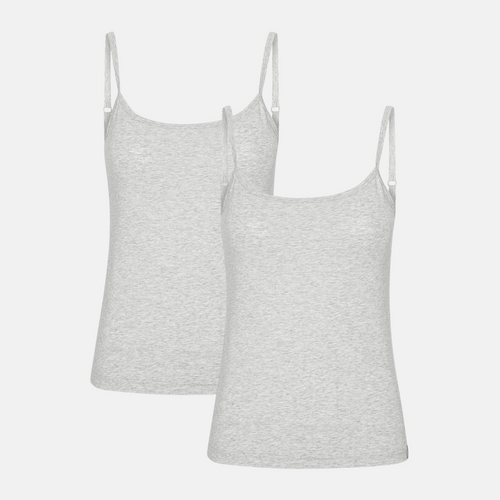
If you do not follow the label, the right to complain normally does not cover the damage. The shop can say the garment was treated wrongly, and then it is hard to get your money back. That is a good reason to check the label before you put anything in the machine. Also see pajamas for women and bamboo undershirts for women, where the label is in each product.
Does it apply if other clothes cope
The cross applies to this fabric with this treatment. That another T-shirt in the same material copes with a tumble dryer says nothing about yours. Dyes, yarn quality, prints and seams can differ, and the sum of them decides what the garment tolerates. Always start from the label in the specific garment.
What if you already did it
Then check whether damage has occurred. Sometimes it goes well, but the risk is yours. Take the garment out at once and do not repeat the treatment, even if it seemed fine the first time. Damage can build gradually, and each repeat makes it worse. Check fit, colour and structure before wearing it again.
Crosses set out of caution
It happens that a maker sets a cross to be safe. But you cannot know which crosses are cautious and which are necessary. So the safest way is to follow them all. It rarely costs anything to comply, and you avoid a risk you cannot measure.
Choose another route
If the cross is by the tumble dryer, air dry instead. If it is by ironing, hang the garment neatly after washing so it smooths itself. If it is by dry cleaning, wash by the symbols on the label. There is usually a milder alternative when one treatment is ruled out, and it beats taking the chance.
How to read the crosses
Look for crosses first, before you read the rest of the label. A single cross can change the whole routine. Remember the ones you find and choose temperature and programme from what is allowed. If there are several crosses, read all the other symbols extra carefully so nothing slips past you.
Frequently asked questions
Does it apply if other clothes cope
Yes. The cross applies to this fabric with this treatment. Even if similar clothes cope with it, colour, yarn and seams can differ, so the label in the specific garment is the only thing you can trust.
What if I did it anyway
Then check whether damage has occurred. Sometimes it goes well, but the risk is yours. Do not repeat the treatment, and check fit, colour and structure before wearing it again to spot small damage in time.
Can the maker set a cross to be safe
It happens. But you cannot know which crosses are cautious and which are necessary. That is why the safest way is to follow them all, since it rarely costs anything to comply.
You can find the full range at Bamboo-Clothing.com.