Why the label says viscose and not bamboo
Short answer: Bamboo is the raw material, not the fibre. When bamboo is dissolved and spun into yarn, the result is a viscose fibre, and that is the name the labelling rules require on the garment label.
From plant to fibre
The bamboo is broken down, the cellulose is dissolved and the mass is pressed through fine nozzles to form threads. The process is the same as for other viscose, whether the cellulose comes from bamboo, beech or eucalyptus. That is why the fibre gets the same name.
Why it cannot just say bamboo
Fibre names are set in law so shoppers can compare garments across countries and brands. Bamboo is not one of the approved fibre names. That is why the label says viscose, often with bamboo mentioned as the raw material in brackets or in the product description. This is fully within the rules.
What it does not mean
It does not mean the garment is wrongly described or of lower quality. It is a labelling rule, not a quality judgement. A garment can be soft, keep its shape and feel good even though the label says viscose. The label tells you the fibre name, not how it feels.
Why the word bamboo is still used
In everyday speech many people call it bamboo clothing, because it describes where the raw material comes from. It is an easy way to tell it apart from viscose made from wood. When you see bamboo in a product description, it refers to the raw material. On the label itself, the fibre is what counts.
Lyocell is a different process
Lyocell is also made from cellulose, but in a closed loop with a different solvent that is reused in the process. That is why lyocell has its own fibre name and appears as lyocell on the label. The fabric can feel a little different from viscose. See bamboo lyocell versus bamboo rayon.
Rayon is the same as viscose
In English, viscose is often called rayon, so American labels frequently say rayon from bamboo. It is the same fibre type with a different name. If you shop from stores abroad, it helps to know both words. Read more in what is rayon.
Elastane on the label
Underwear labels often show a small share of elastane after the viscose. Elastane is not part of the bamboo fibre but is added to the yarn so the fabric can stretch and recover. This matters most in waistbands and close fitting pieces. The share comes last because it weighs the least.
How to read the product description
When buying bamboo clothing, it is worth looking for both the fibre name and the raw material. If it says viscose from bamboo, you know what you are getting. If it only says bamboo with no fibre name, something is missing. You can then ask the store before buying.
See also
If you want to understand the whole journey from plant to finished fabric, there is more background to read. It walks through the steps from harvest and breaking down to spinning and knitting. It shows clearly why the fibre ends up being called viscose. Read more in from bamboo plant to soft fabric.
The range
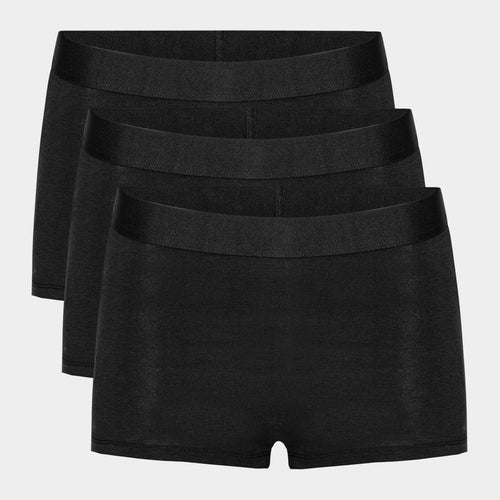
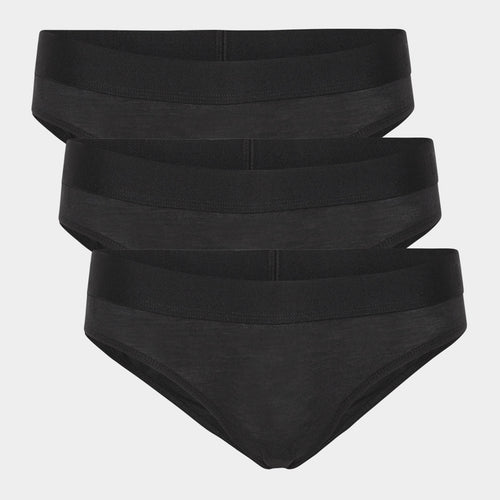
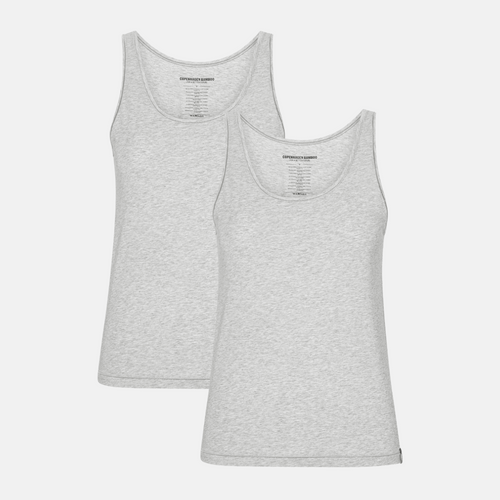
Underwear is where softness matters most, because it sits close to the skin all day. Here you can see how viscose from bamboo appears on the label and how fibre and elastane are split in each style. See bamboo underwear for women.
Frequently asked questions
So is bamboo viscose not bamboo?
The raw material is bamboo, but the fibre is viscose. They are two sides of the same thing: bamboo tells you where the cellulose comes from, and viscose tells you how the fibre was made.
Is it illegal to call it bamboo clothing?
The word bamboo may be used for the raw material in descriptions. It is the fibre name on the label that must say viscose or lyocell, depending on the process used.
Is bamboo lyocell better than viscose?
They are two different processes, each with its own qualities. What suits you best depends on how you want the fabric to feel and drape in daily use.
You can find the full range at Bamboo-Clothing.com.