Why the label says wash with similar colours
Short answer: Because colour can pass from one garment to another in the water. The advice is there to protect light clothes, not because dark ones are harmed. The first washes of a new garment are the most important to sort by colour.
Colour travels through the water
Loose dye goes into the wash water and can settle on other fibres. This happens because not all dye bonds fully to the fabric, and some can come loose as clothes move in water. The water acts as a transport route, so a single dark garment can give light clothes in the same wash a tint.
Light fabrics pick it up most easily
Light fabrics take up loose dye most easily, since no colour of their own hides it. A white or light garment shows even a small amount of foreign colour quickly. So the advice to wash with similar colours is aimed at anyone with light clothes in the machine, where a mistake is most visible.
The first washes are the worst
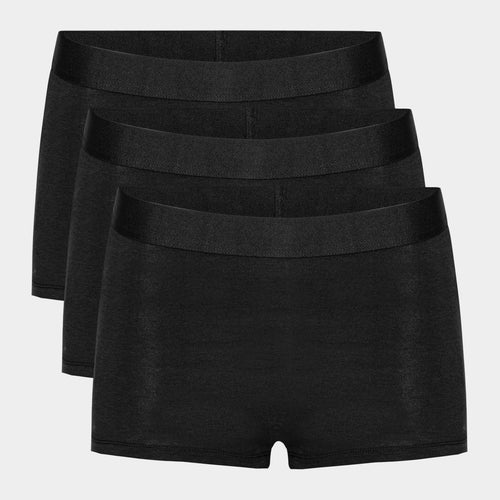
A new garment holds the most loose dye. After a few washes the risk is far lower, because the loose dye has rinsed out. That is why the advice matters most at the start. Wash new, dark and strongly coloured pieces separately the first few times. See bamboo night shorts for women.
Cold water reduces the travel
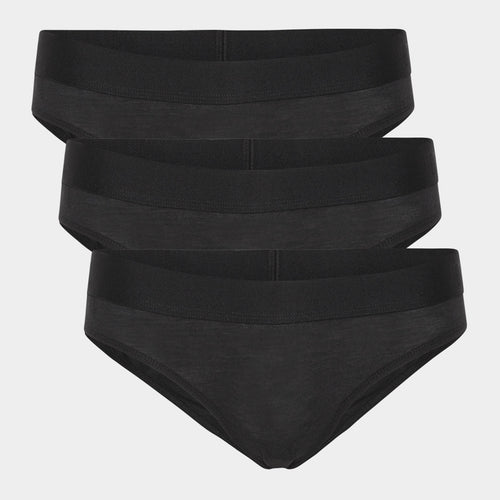
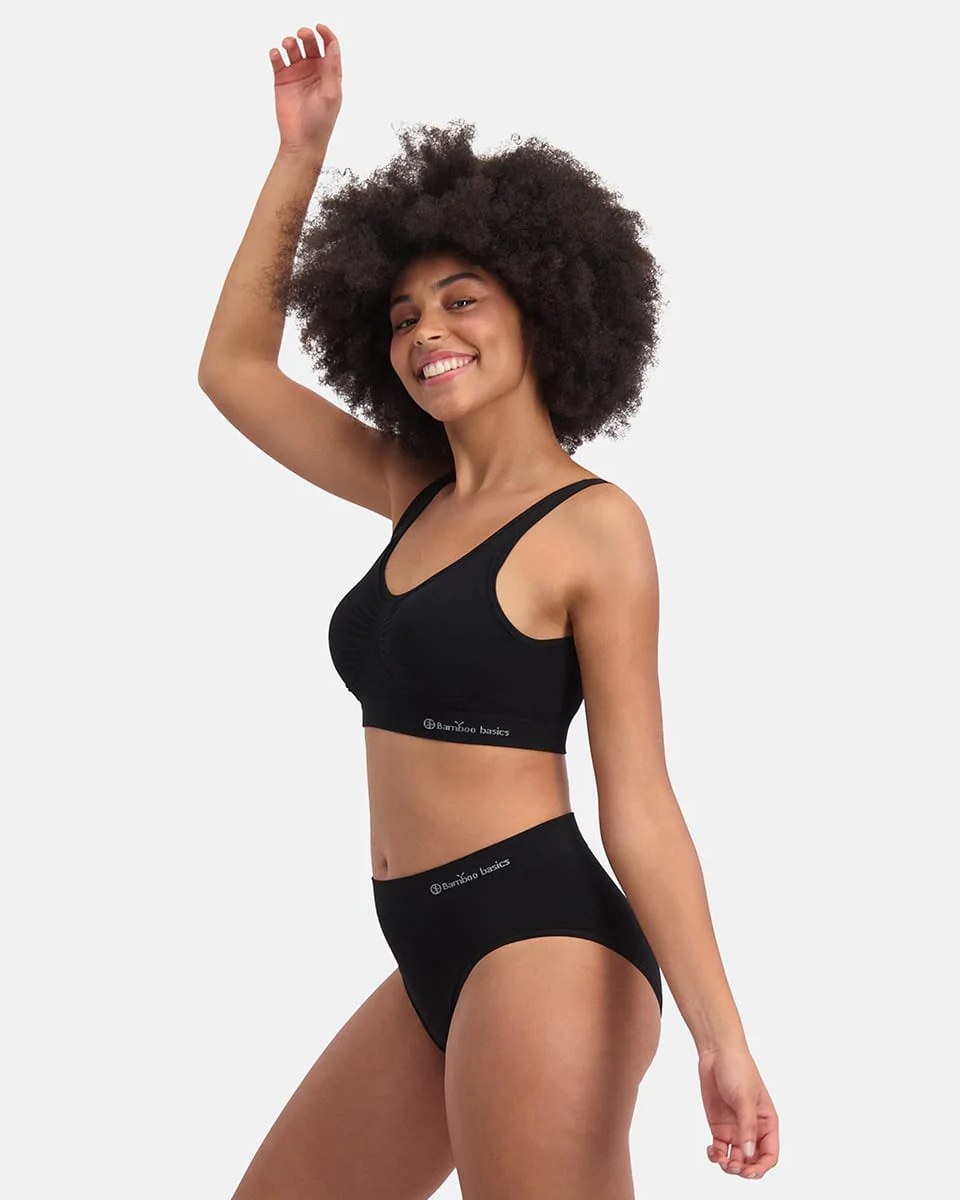
Heat increases the release of colour. Wash cold and the risk falls, and colours also last longer on the garment itself. A gentle programme at thirty degrees is often enough for everyday clothes. See also bamboo pillowcases and bamboo underwear for women, where the label explains the wash.
Sort by colour, not only temperature
Many sort by temperature alone, but colour matters just as much. Make one pile for lights, one for darks and one for the strongest colours, and wash them separately if you can. If you have little of one type, wait until you have enough for a full load rather than mixing.
Colour catchers help but do not replace sorting
Colour catcher sheets are small sheets you put in the machine. They can catch some of the loose dye, but they do not replace sorting. Treat them as an extra safeguard when you wash a mixed load anyway, not as a reason to relax the advice.
Take the laundry out at once
Wet clothes left together in the machine or in a laundry basket can pass colour to each other. Take the wash out as soon as the programme ends and hang it up piece by piece. New garments in particular should not lie damp in a pile with light clothes.
What to do if it has happened
Wash the affected garment again at once, while the colour is still loose. Do not let it dry first, because dried colour is harder to remove. Use the same programme and a mild detergent. If that does not help, ask the shop, but prevention is easier than repair.
The advice protects the light clothes
The advice to wash with similar colours is not about dark clothes being harmed but about protecting the light ones. Follow it for the first washes and wash cold, and you avoid most problems. Sorting takes only a moment and saves you from losing a favourite garment.
Frequently asked questions
How many times should new clothes be washed separately
The first two or three washes are enough for most dark colours. If a garment is very strongly coloured, you can keep washing it separately longer, until the water no longer looks coloured.
Do colour catchers help
They can catch some of the loose dye, but they do not replace sorting. Use them as an extra safeguard and still keep light and dark clothes apart, so you stay on the safe side.
What do I do if it has happened
Wash the affected garment again at once, while the colour is still loose. Do not let it dry first, and use a mild detergent so you do not strain the fabric more than needed.
You can find the full range at Bamboo-Clothing.com.