Why the percentages in blends are never exact
Short answer: Fibres are blended in large quantities, and the blend can vary a little along the way. That is why the declaration has a permitted deviation instead of an exact figure. A figure on the label is therefore a close approximation, not a measurement down to the last decimal.
The blending happens in large batches
The fibres are weighed and blended in large batches, long before they become yarn. Even a small imbalance in the weighing gives a difference of a few tenths of a percent in the finished yarn. It is not a fault in the process but a result of blending large amounts of light material at once.
The law allows for it
A tolerance is set for how far the actual content may differ from the stated one. That is why the declaration can be correct without being exact. The rule exists because no factory can hit a figure precisely every time, and because the buyer still gets a fair picture.
What it means in practice
If it says ninety five and five, the real content may lie close to that, but not necessarily exactly on it. The difference cannot be felt in the clothes and does not change how the fabric feels or behaves. A garment like the bamboo polos for men is still what the declaration says.
Why two garments can differ
Two garments of the same model can come from two different batches and have a slightly different composition, even though both carry the same figure on the label. The difference lies within the tolerance. It explains why two identical garments rarely feel quite the same, especially if bought at different times.
Who checks the content
Authorities can take spot checks, and the factory tests continuously itself. The tests take place in a laboratory where the fibres are separated and weighed one by one. It is an expensive and slow process, so not every garment is tested, but the checks help keep labelling at a sensible level.
Can I measure the content myself
No. It takes a laboratory that can dissolve the fibres separately and weigh what is left. You cannot see or feel the difference between five and seven percent elastane in a home test. You can, however, trust that the figure lies close to the stated one, and read the declaration as a guide.
Why it matters for allergy sufferers
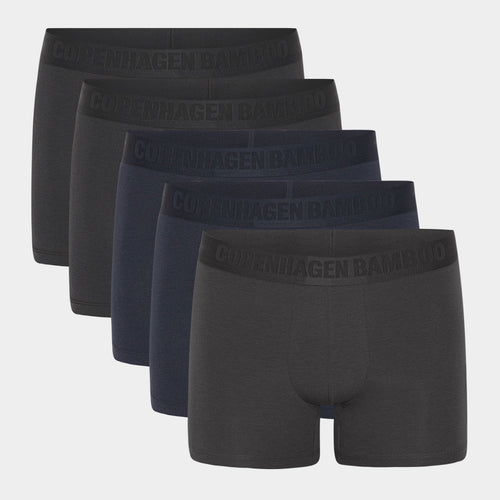
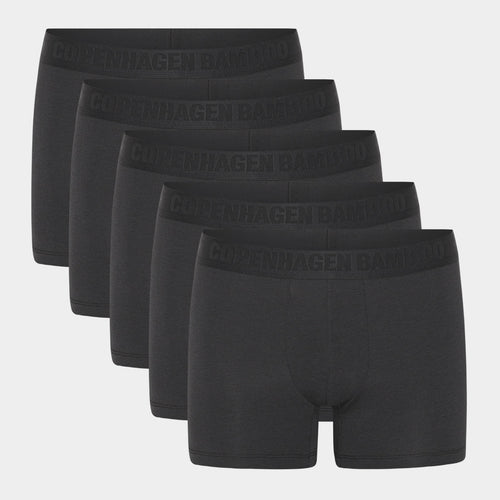
Even small amounts of a fibre can matter if you react to that very one. If you are unsure what you tolerate, talk to your doctor. Read the declaration from start to finish, and remember that the figures can differ a little. See for example bamboo underwear for men and its composition.
How to use the declaration
Use the figures to compare the fibres and see which is the most important, not to calculate to the decimal. The order shows what there is most of, and elastane, if included, explains the stretch. With an item like bamboo split sheets, it is the main fibre that decides how the sheet feels.
In short
A declaration is a fair picture, not a laboratory measurement. The figures are good enough to compare and choose by, and the difference from the exact figure cannot be felt. If you want to know more, read the declaration again and see whether the first fibre and the elastane match what you expect of the garment.
Frequently asked questions
Who checks the content?
Authorities can take spot checks, and the factory tests continuously itself. The tests are made in a laboratory where the fibres are separated and weighed one by one.
Can I measure the content myself?
No. It takes a laboratory that can dissolve the fibres separately, and a difference of a few percentage points can be neither seen nor felt in daily use.
Why does it matter for allergy sufferers?
Because even small amounts of a fibre can matter if you react to that very one. If you are unsure what you tolerate, talk to your doctor.
You can find the full range at Bamboo-Clothing.com.