Why the size chart beats the shop's recommendation
Short answer: The chart is numbers, and the recommendation is a judgement. You can compare numbers with your own measurements, while a recommendation rests on an average of what others chose. Start with the chart, and use the recommendation as a check that you got it right.
The recommendation is an average
A recommendation like choose your usual size rests on what most people did. It knows nothing about your body, your proportions or your taste. It is a fair guess for many, but a guess is still a guess, and it misses when you differ from the average in the one measurement that counts.
The chart can be measured
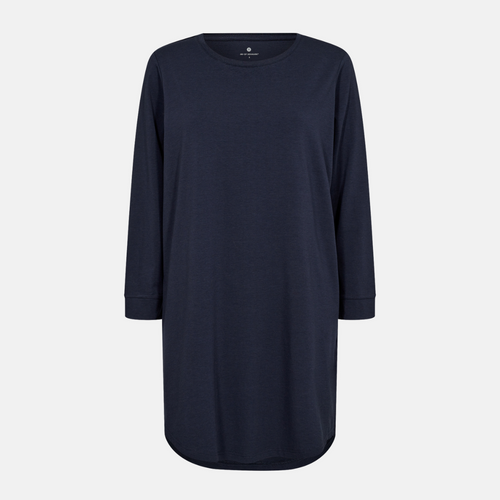
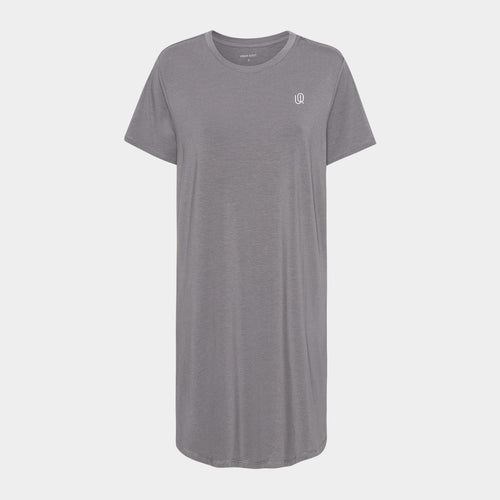
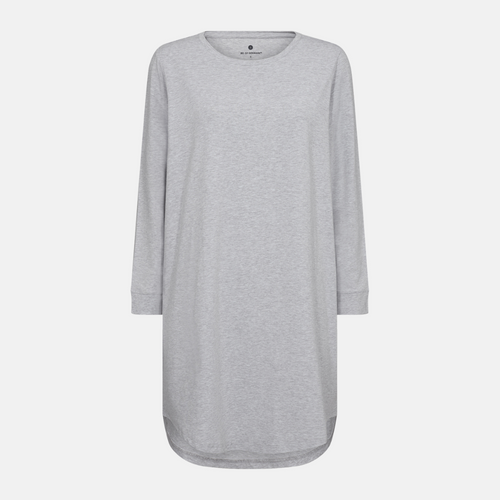
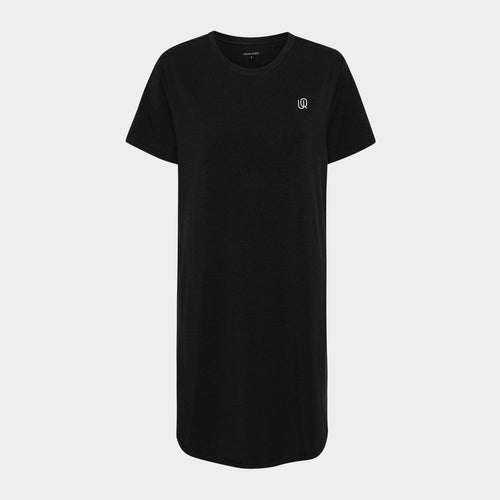
The centimetres in the chart can be held up against a garment you already own and know the fit of. That is a direct comparison with no interpretation. Lay the piece flat and measure it, and you can see for yourself whether the numbers match what you know. See bamboo T-shirt dresses.
Your usual size is not the same everywhere
Your usual size varies from brand to brand and from model to model. An M in one place is not an M in another, because each brand uses its own measurements. That is why a size on its own says very little, while a row of centimetre figures says exactly what the piece holds.
New models have little feedback
A recommendation gets better the more people have bought and shared their experience. If a model is new there is little to build on, and the recommendation can drift from reality. The chart does not change with the number of buyers, so it is equally reliable from day one.
Use both, in order
Start with the chart and find the size your measurements point to. Then use the recommendation as a check on whether you got it right. If the two agree, you can order with confidence. If they point different ways, look more closely at the measurements. See bamboo panties.
How to use the chart
Measure yourself, write the numbers down and find the row where your measurements sit. If you are between two rows, look at the stretch of the fabric and how close you want the piece to fit. Also read which measurements the chart gives, because some show body measurements and others show the garment itself.
Body measurements and garment measurements
A body measurement tells you how big you are, and a garment measurement tells you how big the clothing is. They are not the same, because the piece needs a little room or should fit snugly depending on the cut. Check which kind the chart uses before you compare. See bamboo bodystocking.
When the recommendation can help
The recommendation is useful when you have no tape measure to hand or need to choose quickly. It gives you a place to start, and for many people it fits well. It works best as an introduction, and it becomes more trustworthy when your own numbers confirm it.
Numbers are easier to correct
If a size does not fit, you can go back to the chart and see where the difference lies. Was it the bust, the hip or the length? With a recommendation you have no numbers to return to, and the next choice becomes another guess. Numbers give you something to build on.
Frequently asked questions
Why is there a recommendation at all?
Because it helps most people quickly, and not everyone wants to measure. It is a good starting point, but the chart is the most precise tool you have.
Can a recommendation be wrong?
Yes, especially if the model is new and there is little experience behind it. A recommendation rests on an average, and you may sit some way from that average.
What if the two point different ways?
Follow the chart, but read the recommendation to understand why it differs. Often the reason is fabric, cut or a different idea of how close a garment should fit.