Why there is a difference between cheap and expensive bamboo clothing
Short answer: The price of bamboo clothing reflects yarn quality, fabric weight, stitching and fit. Two garments can both be made of bamboo viscose and still last very differently, because the difference lies in steps that rarely appear on the label.
The yarn
The yarn is the starting point for everything you feel later. An evenly spun yarn of long fibres pills less, because there are fewer loose fibre ends that can work their way out of the fabric. It also keeps its shape longer. It costs more to make, so cheap garments often save here first.
Fabric weight
A denser fabric contains more yarn per square metre and therefore lasts longer, but it also costs more in material. A very cheap t-shirt is often very light and thin. It may feel fine in the shop, but it turns see-through sooner and wears at the elbows and edges after repeated washing.
The seams
Flat seams and reinforced edges take more work and more steps in production. Seams are exactly what fails first on cheap garments, especially at the shoulders, crotch and armholes, where the fabric is under most strain. A flat seam also lies more comfortably against the skin and chafes less through a long day.
Edges and elastic
Good elastic keeps its grip through many washes and returns to shape after wear. Cheap elastic often goes slack after six months, so the waistband rolls or slides down. Look at how the elastic is sewn in. If it is covered by fabric and stitched evenly, it usually lasts longer.
Fit
A well developed fit requires several samples and adjustments before a garment goes into production. This shows especially in underwear, where small differences in cut and length decide whether it sits right. Cheap garments are often made from a single basic pattern meant to fit many people, so it rarely fits anyone perfectly.
The calculation
A garment that lasts three times as long is cheaper per wear, even if it costs twice as much in the shop. That is the reasoning behind buying fewer and better pieces. Count not only the price but also how often you expect to wear it. Read more in bamboo and economics.
What the label does not say
The label usually only states the material and how to wash it. It rarely says anything about yarn quality, fabric weight or how the seams are made. That is why two garments with identical labels can behave completely differently after six months of use. See also expensive versus cheap bamboo clothing.
Where you notice it first
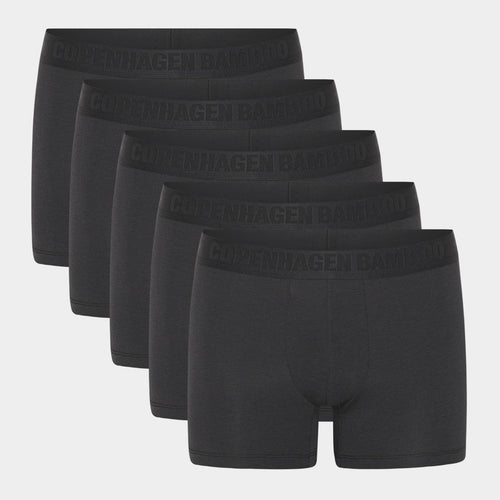
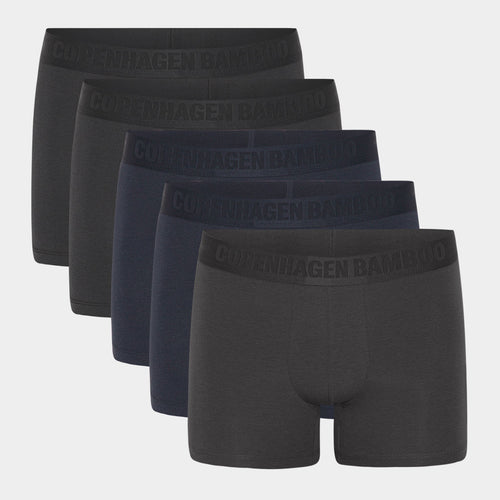
Underwear is where the difference shows fastest, because it is washed most often and worn closest to the body. After a few months you can see whether the waistband still holds and whether the fabric has kept its shape. That makes underwear a good place to judge quality. See bamboo underpants for men.
How to judge a garment
Feel the fabric and hold it up to the light to see how dense it is. Pull the waistband gently and check that it springs back quickly. Turn the garment inside out and look at the seams. If they are even and flat, that is a good sign. It takes a minute and says more than the price.
Care extends the life
Even a good garment lasts less if it is washed too hot or dried harshly. Wash at 30 to 40 degrees, use a mild detergent and skip the fabric softener. Hang your clothes to dry when possible. That way you get the most out of the quality you paid for.
Frequently asked questions
Is expensive clothing always better?
No. The price can also cover brand and marketing. Look at the yarn, the density of the fabric, the seams and the elastic before you judge whether the price is fair for what you get.
Why does cheap bamboo clothing pill?
Often because the yarn contains many short fibres that work their way out of the fabric with wear. An evenly spun yarn of long fibres usually pills less and keeps its surface smooth for longer.
How do I get the most for my money?
Buy fewer pieces of good quality and wash them gently at a low temperature without fabric softener. The clothes then last longer, and the price per wear falls every time you put them on.
See our range of Copenhagen Bamboo.