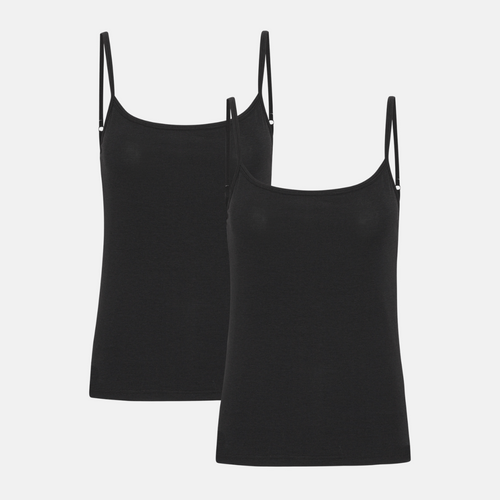
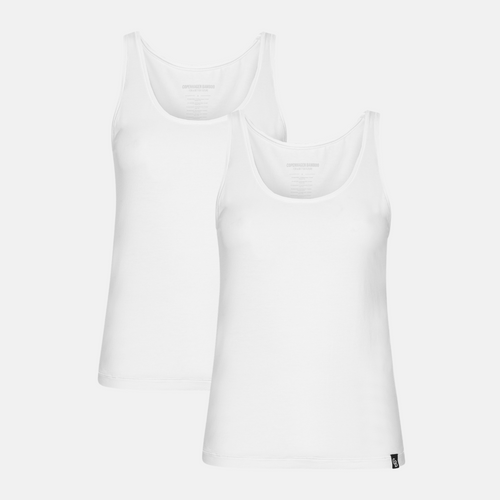
Why two nearly identical garments cost very different amounts
Short answer: Yarn quality, sewing work, quality control and the number of middlemen explain most of the price gap between two similar garments. Marketing and the shop's margin explain the rest. The first four things you can actually feel in the fabric once you know what to look for.
The yarn is the biggest single cost
A finer yarn costs more per kilo but gives a softer and more durable fabric. The difference lies in how thin each individual thread is spun and how many threads are used per square centimeter. See bamboo t-shirt for women for an example of a fine yarn.
Fineness is not obvious right away
Most people cannot feel the difference between a cheap and an expensive yarn in the shop itself. The difference only shows after a few months of wear, when the cheap fabric pills and loses shape while the finer yarn stays smooth and firm.
More seams mean more work
Flat seams and reinforcements at the crotch and sleeves take extra time per garment on the sewing machine. You pay for that extra time as a buyer, but it pays you back in fewer tears and a longer lifespan. See bamboo underwear for women for examples of flat seams.
Reinforcements take longer to produce
A reinforced waistband or a double stitched armhole takes longer to make than a single seam. You cannot see it on a hanger, but it is often the first place a cheap garment gives out after many washes.
The number of middlemen adds up
Every link between the factory and your shopping cart adds a margin to the price, whether it is a wholesaler, an importer or a physical shop. The shorter the path from factory to you, the less of the price goes to middlemen. See bamboo clothing for women.
Direct sales can keep the price down
Brands that sell directly to you without a physical shop in between can often keep a lower price at the same quality. That is not a guarantee of quality on its own, but it explains part of the price gap between two similar garments.
Quality control costs but pays off
Sample checks, measurement checks and colorfastness requirements add an amount to each garment before it reaches the shop. That extra control reduces the number of complaints and exchanges, which in the end benefits both you and the brand selling it.
Marketing is also a cost
Advertising is part of the price even though it does not sit visibly in the garment you hold in your hand. Two similar garments from two different brands can therefore cost differently even when the yarn and sewing are nearly identical. See bamboo tops for women.
How to judge it yourself
Hold the fabric up to the light and see if it is evenly woven without gaps. Feel the weight in your hand and look at the seams at the sleeves and crotch. Those three things say more about the actual quality than the price tag alone.
Frequently asked questions
Why do two nearly identical garments cost differently?
Yarn quality, sewing work, quality control and the number of middlemen explain most of the difference. Marketing and the shop's margin add on top and explain the rest of the price.
Does a high price always mean high quality?
No. The price can also cover marketing and more middlemen without the quality being higher. Check the yarn and seams yourself instead of only looking at the price tag.
How do you judge the quality yourself in a shop?
Hold the fabric to the light, feel the weight in your hand and look at the seams at the sleeves and crotch. Those three things say the most about real quality.
You can find the full range at Bamboo-Clothing.com.