Why you get cold after you stop sweating
Short answer: Sweat keeps evaporating after you stop. Every gram of water that turns to vapour takes heat from the body, and at the same time heat production has fallen. That is why you can feel cold even though you were warm minutes ago, and it is entirely normal.
Evaporation costs heat
It takes energy to turn water into vapour, and the energy is taken from the nearest warm thing, which is your skin. That is why sweat cools the body. It is a clever mechanism when you are hot, because it guards against overheating, but it carries on whether you still need it or not.
The timing is the problem
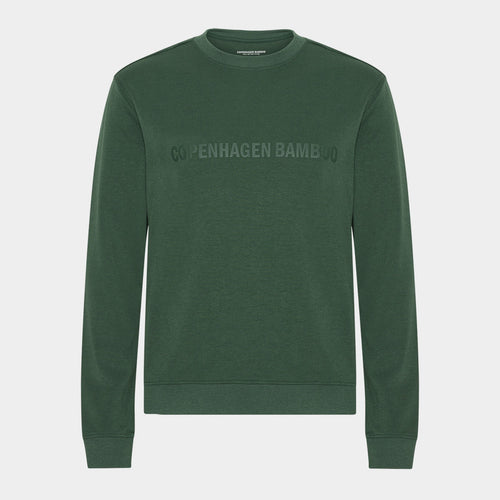
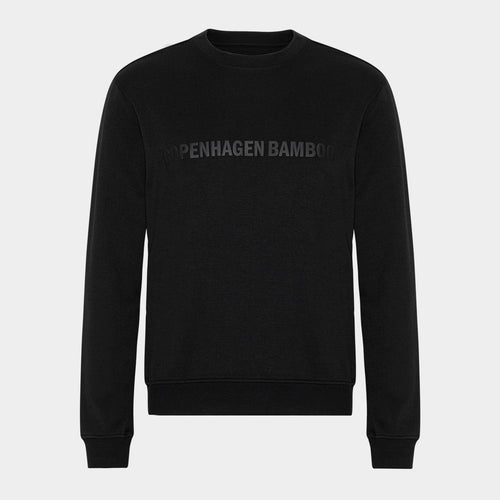
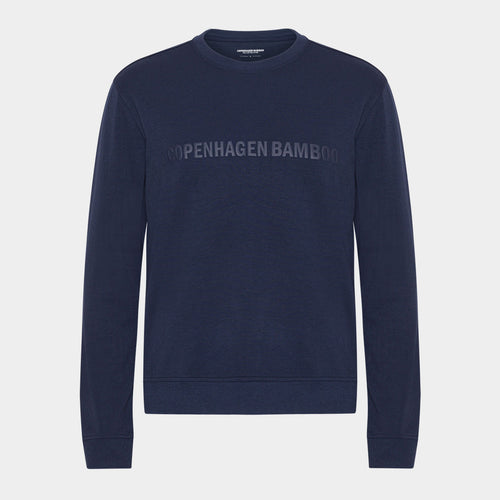
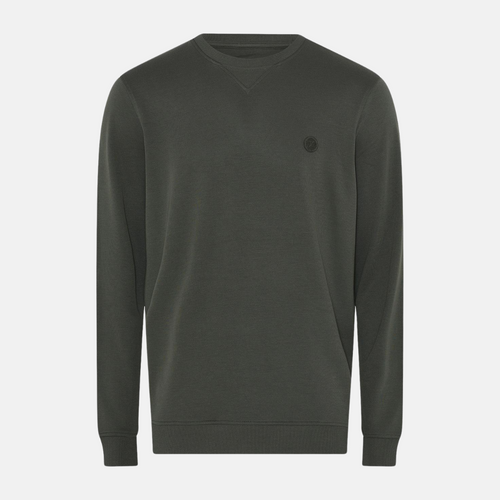
During activity the cooling is welcome. Afterwards it continues while you no longer produce heat. A useful function turns into a drawback. The body cannot stop the process quickly, and damp fabric against the skin prolongs it. See for example a bamboo hoodie for men for dry layers after activity.
How much heat it costs
Evaporation costs about two thousand five hundred joules per gram of water. That is a large amount of heat, even if the amount of water seems small. When the whole upper body is damp, the water adds up enough to feel clearly, so the coolness seems marked even in an ordinary warm room.
Why you feel it most on the back
The back is where most of the sweat sits, because the fabric lies close and cannot air out. The evaporation happens all together over a large area. That is why you can feel cold across the whole back while other parts of the body feel fine, and it is often the back you notice first.
Why changing your top works
Without wet fabric against the skin, the cooling stops almost at once. That is far more effective than putting one more layer over the wet one. See bamboo sweatshirts for men and sleepwear if you want to change into something soft and dry when the day's activity is over.
The fabric matters
A fabric that releases moisture quickly is more comfortable after activity than one that holds on to the water. The wet layer against the skin is then shorter, and the evaporation stops sooner. Note that a fabric that feels dry can still hold moisture if it hangs close to the skin.
Do not just add more
An extra layer over a wet one rarely warms well. The moisture on the inside keeps evaporating and drawing heat out, and the extra layer only slows the heat loss a little. It is better to take the wet top off first and then put something dry on.
What to do after activity
Dry off if you can, and put on a dry top as soon as you are done. Then add a layer over it to keep the warmth in. If you only have a wet top, add an extra layer and keep moving for a while, so your body produces a little heat itself.
How to prevent it
Bring a dry top along if you expect to sweat. Choose layers you can take on and off, and make sure the innermost layer does not stay damp. That way the chilling does not begin, and you can get on with the rest of the day without freezing.
Frequently asked questions
How much heat does evaporation cost?
About two thousand five hundred joules per gram of water. That is a large amount, so you feel it clearly when the whole upper body is damp and evaporation carries on after you have stopped moving.
Should I put a jacket on straight away?
Yes, and preferably after you have changed the wet top. A layer over a wet one warms poorly, because the moisture underneath keeps drawing heat from the body, so put the dry layer on first.
Why do you feel it most on the back?
Because that is where most of the sweat sits. The fabric lies close against the back and the evaporation happens together over a large area, so the cooling becomes clear right there, often first after you stop.
You can find the full range at Bamboo-Clothing.com.