A checklist for a day outdoors in November
Short answer: November brings short days, damp cold and wind that make a day outside feel long. Check your layers, feet, hands and dry spare clothes before you step out of the door.
Look at the weather and the length of the day
Before you leave home, check the forecast for rain, wind and temperature, and remember that darkness falls early. In November a temperature around freezing often feels colder than the number suggests when the air is damp and it is windy. Plan the outing so that you are home or somewhere warm before dark. Take a small torch or a reflective band if you are walking outside town. It is also a good idea to tell someone where you are going.
Build the layers from the skin outwards
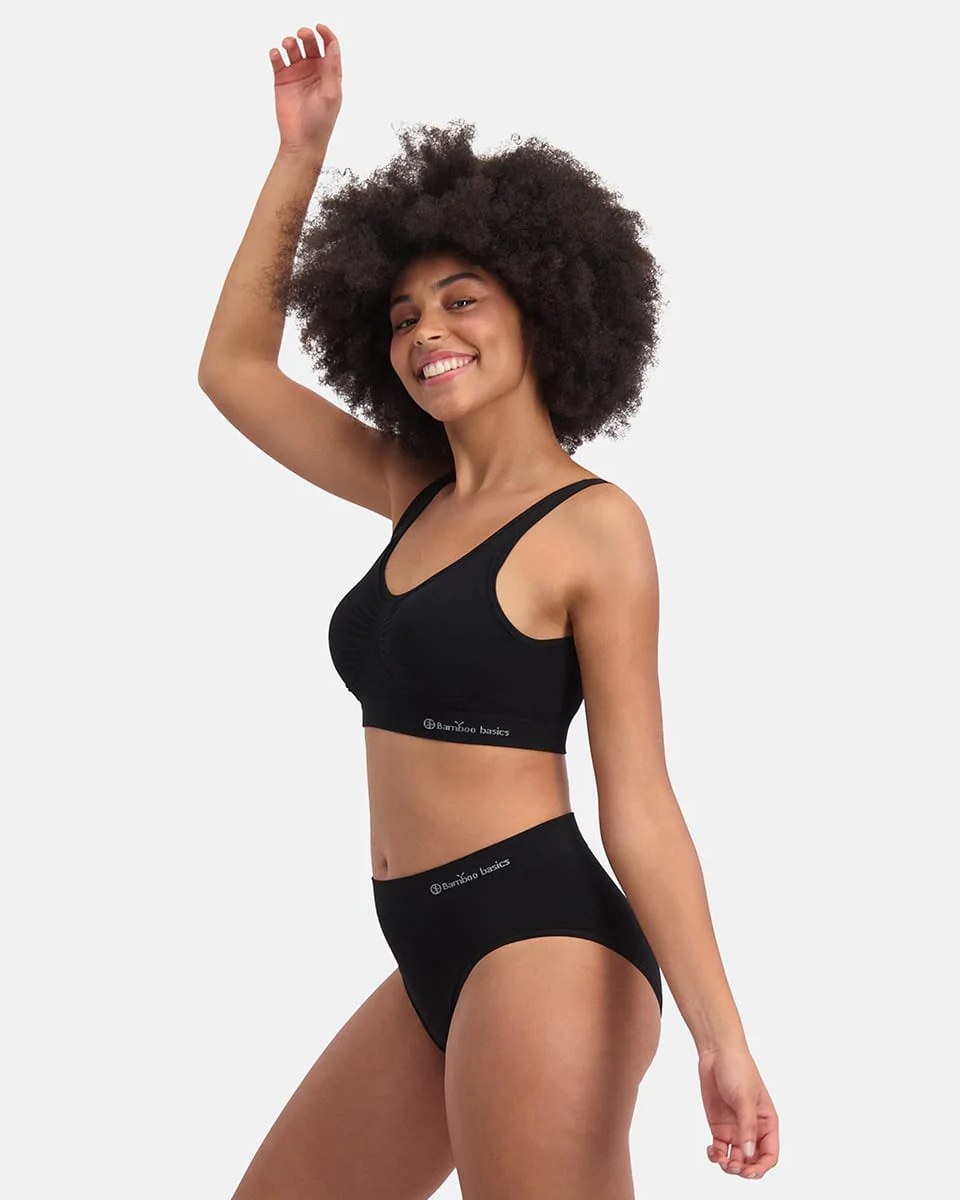
The innermost layer should sit close and feel soft. The middle layer insulates, and the outer layer keeps out wind and rain. Remember that moisture is the enemy: if you sweat in a dense layer, you get cold as soon as you stand still. That is why it is wise to have layers you can take off and put on. An underwear layer in viscose from bamboo is soft and smooth, but it is not a waterproof layer, so it should always sit under something warmer. See bamboo underpants for men.
Warm feet and dry socks
Wet feet get cold quickly, and it takes a long time to warm them up again. Choose shoes that suit the ground, and bring spare socks if the walk is long or your shoes let moisture in. Change into dry socks as soon as you stop for a break, because that does more than an extra jacket. Socks that are too tight restrict circulation, so give your toes room. Remember also to let your shoes dry properly between outings.
Hands, neck and head
A lot of heat is lost through whatever is bare, which is why a hat, scarf and gloves belong on the checklist. A thin hat can be kept in a pocket and taken out when the wind picks up. Gloves in two layers, a thin inner glove and a warmer outer glove, let you use your fingers without freezing. A scarf or neck tube closes off cold air at the collar. These are small things, but they make the day more comfortable.
Bring food, drink and spare clothes
The body uses more energy in the cold, so bring something to eat and preferably something hot to drink in a flask. Pack a dry top or an extra layer in a bag so you can change if you have become damp. An extra pair of light gloves takes up almost no space. Take a look at the collections from JBS and Nordic Weaving if you want to see more items for autumn and winter days, but always check for yourself what suits your outing.
When you get home
Take off wet clothes straight away and hang them up to dry. Change into something dry and soft, and drink something warm. If your bedroom is cold, it can help to have warm socks ready. Wash clothes according to the care label and do not use more fabric softener than necessary. Check that pockets and bags are emptied, and refill the flask so you are ready for the next outing without having to think about it.
Frequently asked questions
How many layers do I need in November
It depends on the temperature and how active you are. Three thin to medium layers are often more flexible than one thick layer, because you can adjust along the way.
Why does damp cold feel worse
Damp air carries heat away from the body faster than dry air, and wind adds to the effect. That is why staying dry matters so much.
What should I do if I get very cold
Get indoors to a warm place, change into dry clothes and drink something hot. If you feel unwell or have a cold, talk to your doctor.
You can find the full range at Bamboo-Clothing.com.