A checklist for a day working from home
Short answer: Working from home means many hours of sitting still in a place where the temperature is rarely the same as in an office. A short list covering clothes, socks and cushions helps you avoid cold feet and a day spent in pyjamas.
Start by changing out of your nightwear
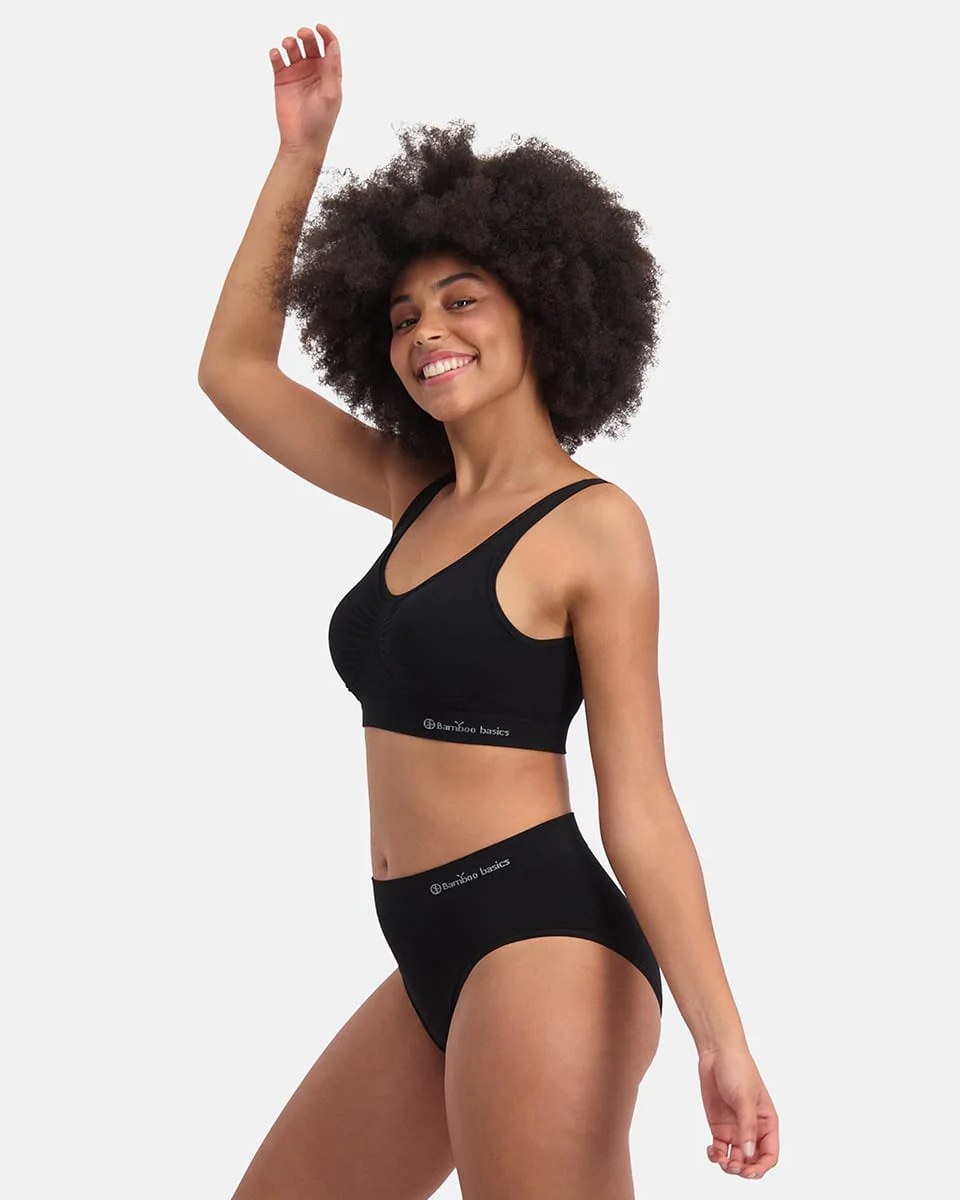
The first item on the list is to put on something other than what you slept in. It does not need to be smarter than ordinary everyday clothes, but the change tells your body that the day has begun and makes it easier to separate work from free time. Choose something soft without tight waistbands, since you will be sitting for a long time. A smooth layer next to the skin feels pleasant under a jumper if the room is cool in the morning. See bamboo underwear for women for an overview of base layers.
Check the temperature in the room
When you sit still at a desk, your body produces far less heat than when you walk about. That is why a living room that feels comfortable in the evening often feels too cold at ten in the morning. Think in layers, so you can put a cardigan on and take it off without changing anything else. Turning up the heating for the whole house is rarely the answer. An extra thin jumper and a blanket over your knees usually do more than one degree extra on the radiator.
Look after your feet
Feet are where most people feel the cold first, especially if the floor is wood or tile. At home it is tempting to go barefoot, but after two hours at the computer you notice the difference. A pair of thin socks with a little cushioning under the foot keeps the warmth in without getting too hot inside slippers. See bamboo tennis socks for women. If your office chair has wheels, remember that socks slide more easily on the floor than shoes do, so plant your feet calmly.
Sit well and use cushions
A chair or sofa that was not made for work needs a little help. A small cushion in the lower back and one under your forearms can take the pressure off your neck and shoulders. Choose cushions with a soft cover that does not stick when you sit with bare arms. A pillowcase in a smooth fabric feels cool against the skin and is easy to change when it has had a long day. See bamboo pillowcases. Remember also to change position as often as you can.
Plan breaks and fresh air
The checklist is also a rhythm plan. Stand up every hour, walk once around the flat and open a window for a few minutes so the air changes. A short walk at lunchtime makes the day more varied, and a jacket within reach stops you hesitating at the door. Drink water through the day, because it is easy to forget when no colleague walks past the coffee machine. Keep a fixed lunchtime so the day does not blur together.
End the day with a small change
When the computer is closed, it helps to change something about yourself or the room. Switch into softer clothes, wash the socks you have worn and air the room so the living room feels like a home again and not an office. Many people find a short walk before the evening helpful, as a replacement for the commute they would otherwise have had. Put the work tools away if you can, so they do not remind you of tasks all evening.
Frequently asked questions
Should I wear different clothes when working from home
It does not have to be smart, but changing out of nightwear makes it easier to get started. Choose something soft and layered so you can adjust the temperature.
Why do I get cold when sitting still
Because your muscles produce little heat when you are not moving. Several thin layers and warm feet usually help more than higher heating.
How often should I take a break
Many people find it pleasant to stand up about once an hour. If you have pain in your back or neck, talk to your doctor about what suits you.
You can find the full range at Bamboo-Clothing.com.