A dress for the hottest days
Short answer: In the heat, it is the air between fabric and skin that cools you. A loose dress in a thin material that moves moisture away from the skin therefore feels cooler than a close-fitting one, however short it is.
Loose rather than short
Many people reach for their shortest dress when the temperature rises, but length matters less than you might think. A loose dress lets air move around the body with every step. A short, close-fitting dress clings to the skin as soon as you sweat, and then it feels warmer than a long, airy one.
The material makes the difference
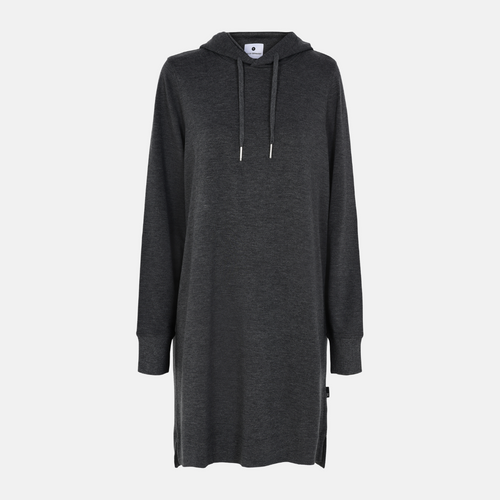
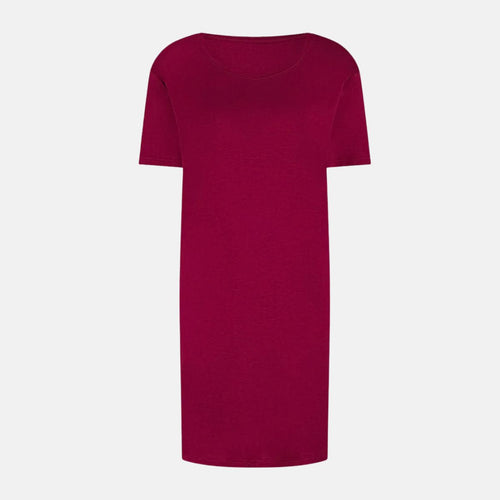
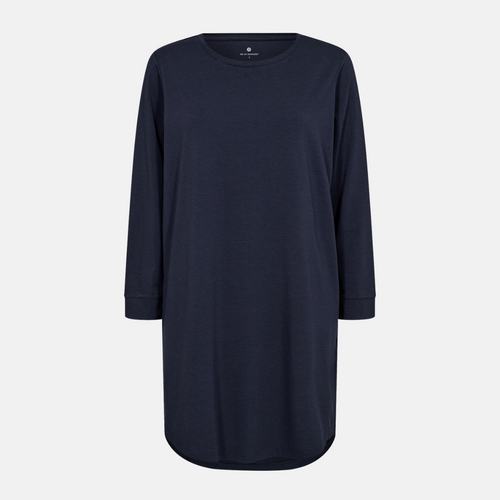
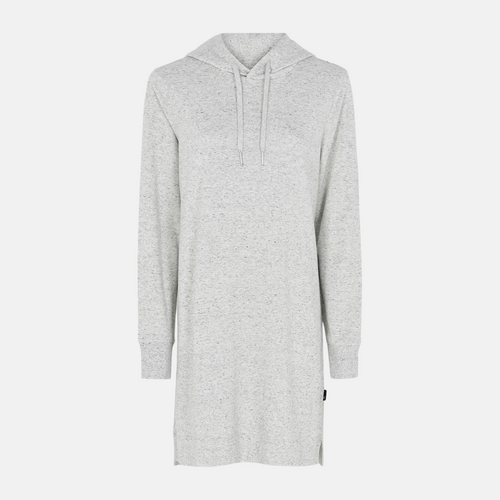
Bamboo viscose moves moisture away from the skin instead of holding on to it, so the fabric does not lie damp against the body on a warm afternoon. You notice it most at the waist and back, where sweat gathers first. Combined with a loose cut, the dress feels light all day. See bamboo dresses.
Chafing between the thighs
Chafing on the inner thighs is the most common reason a dress stays in the wardrobe on really hot days. Skin rubs against skin with every step, and it gets worse the more you sweat. A thin layer under the dress removes the problem completely without being visible from outside. See bamboo under shorts.
A smooth layer underneath
A smooth layer under the dress does two things at once. It stops the dress fabric from clinging to your legs when you sweat, and it makes thin, light dresses less see-through in bright sunlight. Choose a slip that is slightly shorter than the dress itself so it does not show at the hem. See bamboo slip.
Colour in the sun
Light colours absorb less light in direct sun than dark ones, and you can feel it when walking outside for a long time at midday. The effect is smaller than many believe, because cut and material matter more. But if you are choosing between two identical dresses, the light one is cooler.
Sleeves and straps
Wide straps or short sleeves protect the shoulders from the sun and spread the weight of the dress better than thin spaghetti straps. For evenings on the terrace or at home in the garden, straps are often the airiest and easiest choice.
The dress on holiday
A dress that does not crease in the suitcase can be worn straight after arrival without an iron. That is useful on holiday, where there is rarely time or equipment to smooth out clothes. Read more about bamboo clothing for the summer holiday.
Washing summer dresses
Summer dresses are washed often because they are worn close to the skin in the heat. Wash them at 40 degrees inside out so the surface wears less, and dry them in the shade so the colour does not fade. Avoid the tumble dryer, as heat can shrink the fabric. All the rules are in the washing guide.
How many dresses you use
During a warm spell, the same dress is often worn several days in a row because it feels best. With two or three dresses to rotate, you can wash without running short, and each dress wears less.
From day to evening
Evenings can turn cool, even after a hot day. A thin cardigan or light jumper over the dress means you can stay outside when the sun goes down. Choose a layer that is easy to put on and take off and takes up little room in your bag.
Frequently asked questions
Is a short dress cooler?
Not necessarily. Air between fabric and skin matters more than length, so a long, loose dress in a thin material can easily feel cooler than a short, close-fitting one.
What prevents chafing between the thighs?
Under shorts. They place a thin layer between the thighs so skin does not rub against skin, and they stay hidden under the dress when they are slightly shorter than it.
How do I wash a summer dress?
Wash it at 40 degrees inside out and let it dry in the shade. Skip the tumble dryer so the fabric does not shrink and the colour lasts longer.
See our range of bamboo dresses.