A lower indoor temperature and more layers
Short answer: If you lower the heating by a couple of degrees, an extra thin layer can cover the difference without much effort. Dressing warmly is cheaper than heating an entire home.
What a layer is worth
A thin layer against the skin roughly matches a couple of degrees of difference in the room's felt temperature. Two layers cover more than that, and they can come off again as soon as you move around or the warmth rises later in the day.
Start with the layer against the skin
That is where you notice the difference first when the temperature is lowered. A thin layer that sits close and moves moisture keeps you dry, and dry skin gets cold less than damp skin does. See bamboo undershirts for women.
Feet, neck and wrists
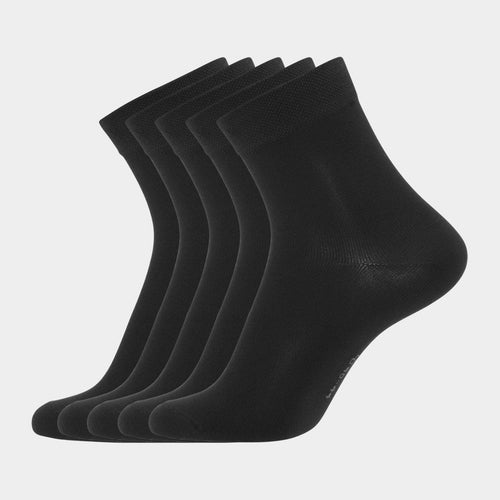
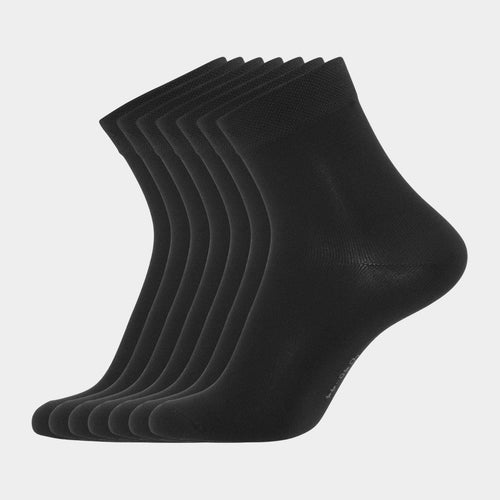
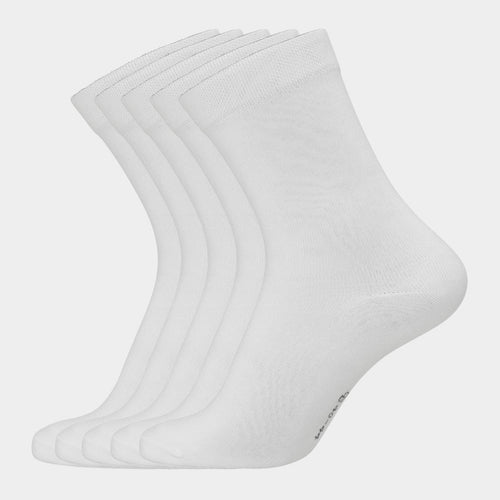
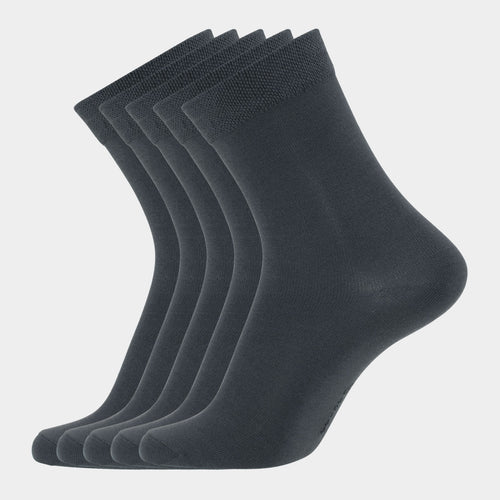
Warmth disappears fastest where the skin is thin and close to the surface. Socks, a high collar and long sleeves do more for comfort than a thicker sweater alone on the body. See bamboo socks for women and sweat clothing.
How much can you save
It depends on the home, the insulation and how much the heating is lowered, but every single degree counts noticeably on the heating bill over a season. A couple of extra layers of clothing cost far less than the warmth they replace.
Rooms are used differently
A bedroom rarely needs the same temperature as a living room or a kitchen where you are active. Lower the heating most in rooms you only use for sleeping or storage, and keep the living room a little warmer.
Do you get used to it
Many find the body adjusts to a slightly lower temperature within a few weeks, especially if the layers sit right from the start. What feels cold at first often feels normal after a short while.
The bedroom at night
Many people actually sleep better in a cool bedroom than in one that is too warm. An extra layer on the bed is easier to adjust than the room temperature itself, and it does not disturb sleep the same way.
Activity level matters
Sitting still most of the day makes you cold faster than if you move around regularly. Get up, walk around the flat or stretch now and then, it warms about as much as an extra layer does.
When it becomes too much
If you are constantly cold even with several layers on, it is worth checking whether the home is draughty or poorly insulated. Dressing warmer is not always enough on its own if the problem lies elsewhere.
Frequently asked questions
How much can you save
It depends on the home, but every degree you lower the heating counts noticeably on the bill over a whole season. Extra layers of clothing cost far less than the warmth they actually replace.
Do you get used to a lower temperature
Many do after a couple of weeks, especially if the layers sit right from the start. What feels cold at first often feels quite normal after a short period of getting used to it.
What about the bedroom
Many sleep better cool than in a room that is too warm at night. An extra layer on the bed is easier to adjust than heating the room, and it rarely disturbs sleep.
You can find the full range at Bamboo-Clothing.com.