A new home that is colder indoors
Short answer: Put a thin layer against the skin and a sweater on top rather than one thick garment alone. Layers can be adjusted through the day as needed, and a thick garment cannot.
Why a layer against the skin works
If it is cool indoors, the body keeps losing heat to the cold air around it. A thin layer that sits close holds a layer of warm air against the skin while moving moisture away at the same time. That is why a thin layer often warms more than it looks like it should.
The two layers that cover a home
A thin layer against the skin and a sweater on top cover most of the indoor temperatures found in an ordinary home. If it gets warm, you take the sweater off, without anything needing to be changed or washed right away. See bamboo undershirts for men.
Feet and slippers
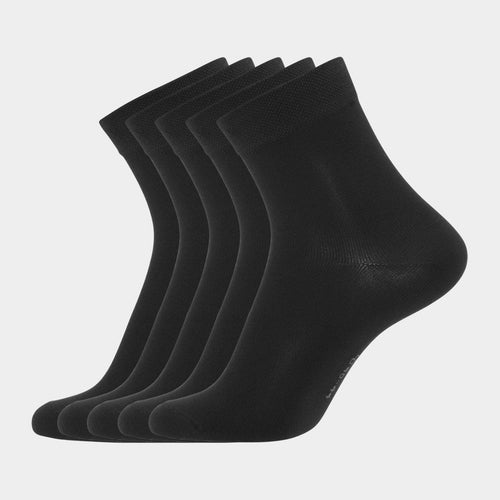
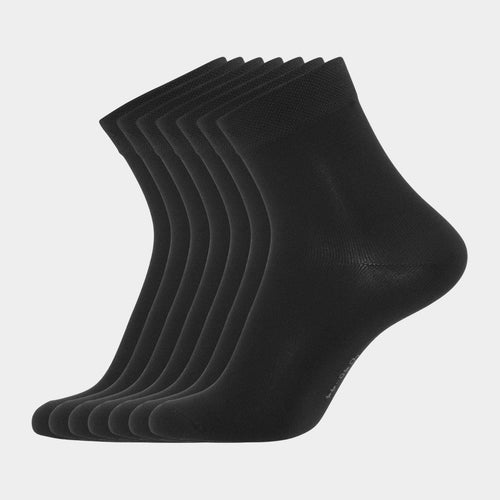
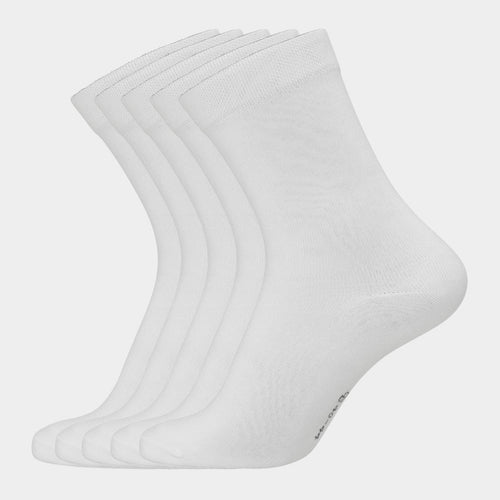
Cold feet are usually the first thing people notice in a cold home, often before the rest of the body feels cold. A pair of thicker socks or two layers do more for comfort than an extra sweater on the torso. See bamboo socks for men and sweat clothing.
Where the cold comes from
In many homes the coldest air comes from the floor and the windows, not the ceiling. That explains why feet get cold before the rest of the body, and why a rug on the floor makes a noticeable difference.
The sweater's material matters
A sweater in wool or a thicker bamboo blend holds heat better than thin cotton does. The material decides how much warmth is actually trapped between the layers, not just how thick the sweater looks.
Adjusting through the day
Temperature in a home often swings from morning to evening, depending on sun, activity and how many people are home. A layering system makes it easy to adjust continuously, without changing the whole outfit.
Bedding as part of the solution
At night the temperature usually drops further in a cold home. A heavier duvet cover or an extra layer under the duvet often solves the problem better than thicker nightwear, which can feel too warm to lie in.
Damp and draughts in a cold home
Cold and damp often go together in older homes with poor insulation. Air the rooms briefly but effectively, instead of keeping the windows shut all the time, which can make the damp problem worse over time.
When the cold is persistent
If a home feels cold constantly no matter how many layers you add, there may be an issue with the insulation or the heat source itself. It is worth investigating, rather than just adding more layers of clothing every day.
Frequently asked questions
How cold is too cold indoors
Below eighteen degrees, most people start to notice it clearly in the body. Nineteen to twenty one degrees is common in a home, but it is felt differently from person to person and room to room.
Can bamboo viscose keep you warm
It does not warm on its own the way wool does. But it keeps you dry, and dry skin gets cold less than damp skin, which makes a real difference in a cold home.
What about bedding in a cold home
A heavier duvet cover and an extra layer under the duvet often help more than thicker nightwear can. It gives warmth without feeling stuffy or too warm to lie in at night.
You can find the full range at Bamboo-Clothing.com.