A thread has pulled out of the fabric and what to do next
Short answer: Never cut the thread off. Pull it gently back from the wrong side, or feed it through with a needle, so the stitches redistribute and the loop disappears entirely without a trace.
Why a thread gets pulled
Knit fabric is one long thread running in stitches from edge to edge. If a stitch catches on a fingernail, a ring or a velcro fastening, the thread follows and leaves a loop with a tight spot beside it. The fibre has not broken, it has simply shifted position.
Pulling it back in
Turn the garment inside out. Gently pull the fabric across the loop in small tugs, first close to the loop and then further out on both sides. The stitches redistribute, and the loop shrinks with every attempt. If you have time, do it in several short sessions instead of one hard pull.
When the loop will not go in
Use a thin crochet hook or darning needle and pull the loop through to the wrong side, where it can sit unseen. Sew a couple of small stitches around it, so it does not travel back to the right side later. Be patient, since forcing it too hard tears fibres instead of settling them.
How to avoid it
Take off rings and watches when getting dressed, close velcro and zippers before washing, and put fine bamboo fabric in a wash bag. Avoid carrying rough bags with sharp edges directly against knitted garments, and be extra careful around furniture with splinters or rough edges.
Where it happens most on the fabric
Pulled threads occur most often at sleeve cuffs, necklines and across the stomach, where fabric meets belt buckles or table edges. Denser knit and reinforced edges are less exposed, while looser knit areas like ribbed trims give way more easily to a single hard tug.
Tools that make the job easier
A darning needle with a blunt tip is gentle on the fibres and well suited to guiding thread through fabric without making new holes. Tweezers can grip the loop itself, while a crochet hook is best for pulling a whole thread back to the wrong side in one motion.
When to give up and sew instead
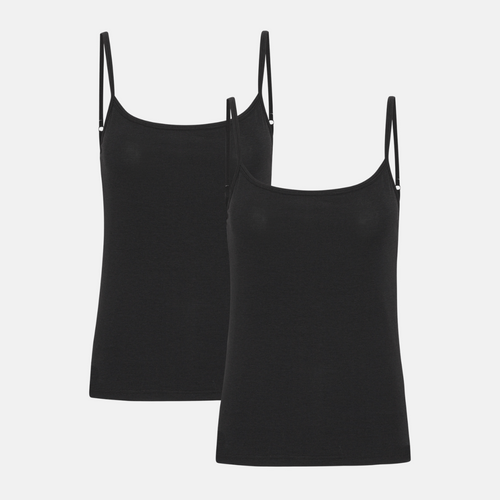
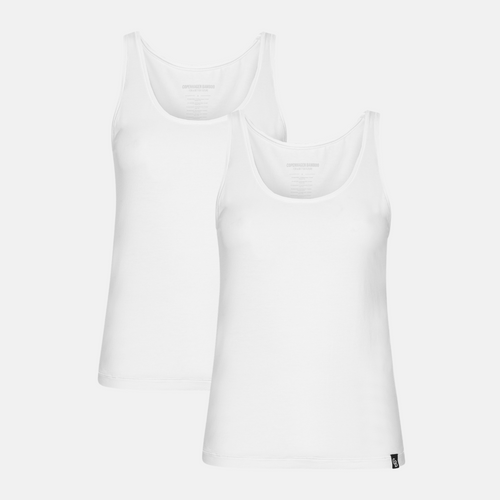
If a thread has been pulled several times and the fibres start to fray, stretching alone cannot fix it completely. Sew a couple of discreet stitches on the wrong side to hold the stitches in place, rather than continuing to pull and risking a real hole. See bamboo tops for women.
Washing after a repair
Wash the garment on a gentle cycle after fixing a pulled thread, so the redistributed stitches can settle without extra strain. Avoid high spin speed the first few times, and dry flat rather than tumble dry if the fabric still feels loose in that area.
See also
If the problem keeps recurring on a particular garment, it may signal worn knit that is due for replacement. See bamboo dresses and bamboo clothing for women for alternatives in a denser, more resilient knit.
Frequently asked questions
Is a pulled thread a fault in the item
No, it is mechanical damage caused from outside. It happens in every knit fabric regardless of price or quality, and almost always comes from contact with something sharp or rough.
Can the loop just be cut off
No. That opens the stitch completely, and a hole forms that grows larger with time and each wash, instead of staying a small, repairable problem you can still fix easily.
Does the fabric weaken afterwards
Only slightly and locally around the affected area. Once the threads are redistributed properly, the fabric holds up much as before, with no noticeable difference in strength or appearance.
You can find the full range at Bamboo-Clothing.com.