Absorbent Clothing – How Much Moisture Can Bamboo Hold?
Short answer: Bamboo clothing can absorb a lot of moisture relative to its weight, more than cotton. What makes bamboo viscose special is that it both draws moisture in and passes it on to the air, so the fabric does not feel wet against the skin.
What absorbent actually means
An absorbent fabric takes moisture into the fibres themselves instead of leaving it on the surface. That helps when sweat needs to move away from the skin during the day. But it only works if the fabric can also get rid of the moisture again, otherwise you end up with a heavy, clammy top.
Two properties working together
Absorbency and evaporation are two different things. Absorbency decides how much moisture the fabric can take in, while evaporation decides how quickly it dries again. A good material for clothing close to the body has to do both. Bamboo viscose is known for handling exactly that balance, which is why it feels comfortable through a long day.
How bamboo fibres work
Bamboo viscose is made from cellulose, and the fibres have a structure with many small cavities. Moisture is drawn into the fibres and spread through the fabric, where it has a large surface to evaporate from. The result is drier skin.
Compared with cotton
Cotton also absorbs well, but releases moisture slowly. That is why a cotton top often turns heavy and cold once you have sweated in it. Bamboo behaves differently because the moisture does not stay in the fibres in the same way. The difference is clearest on warm days and when you move a lot.
Why the fabric feels dry
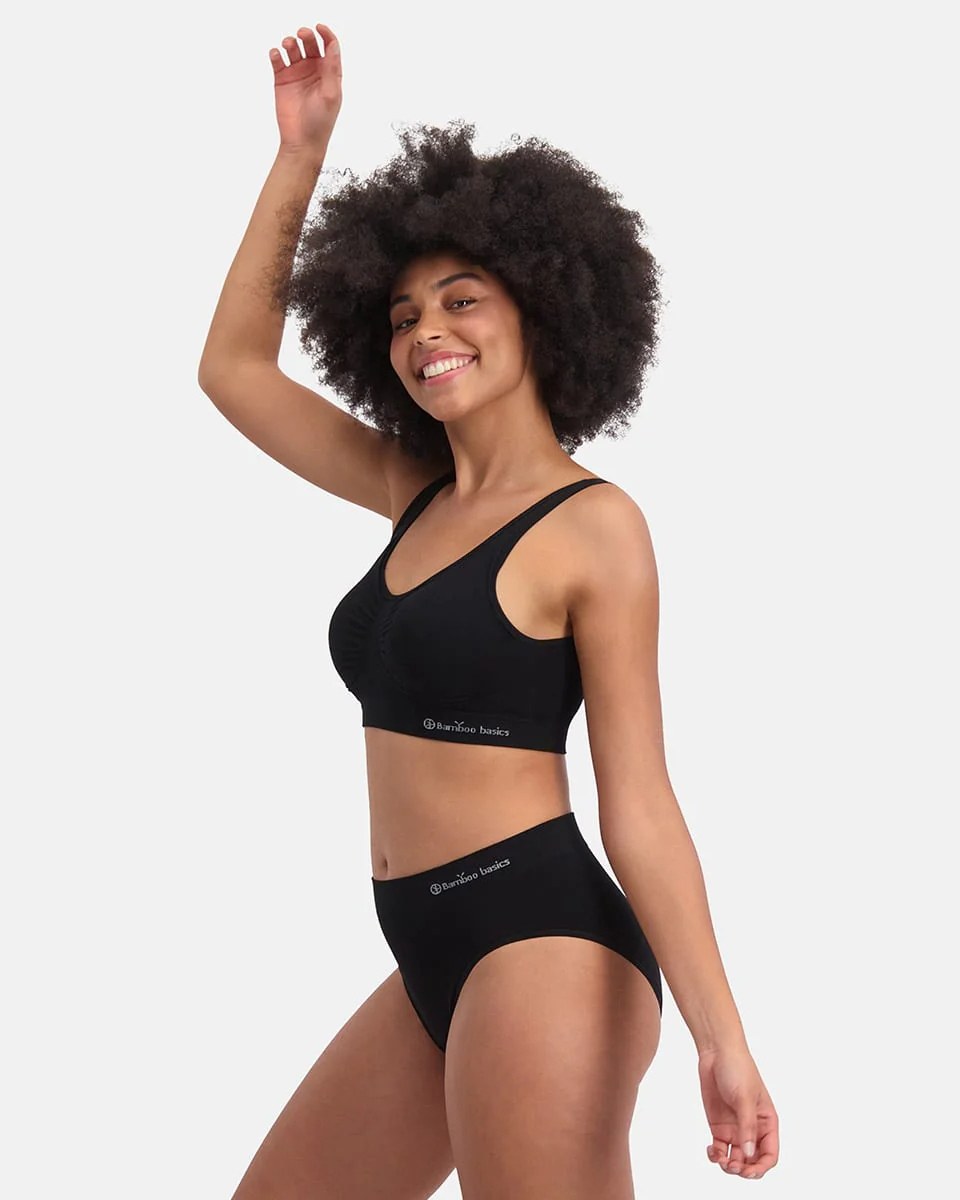
The feeling of dryness is about what happens right next to the skin. When moisture moves out into the fabric and on to the air, the innermost layer stays drier than you might expect. That is why a bamboo T-shirt for women often feels fresh long after a similar cotton top would have turned damp and clammy.
From wardrobe to bathroom
The absorbency also makes bamboo a natural choice outside the wardrobe. A bamboo towel takes up water well after a shower and feels soft on the skin. Because the fibres release moisture quickly too, the towel often dries faster on the hook than many thick terry towels.
At night in bed
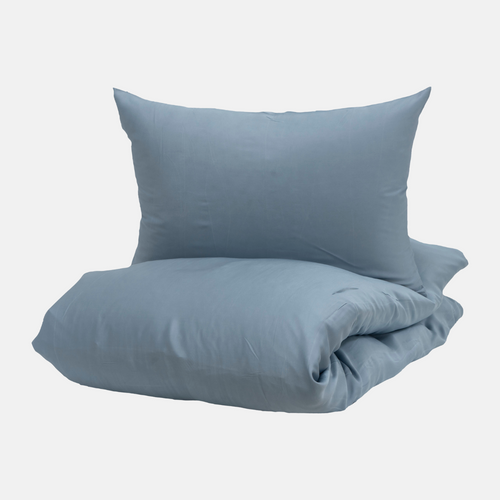
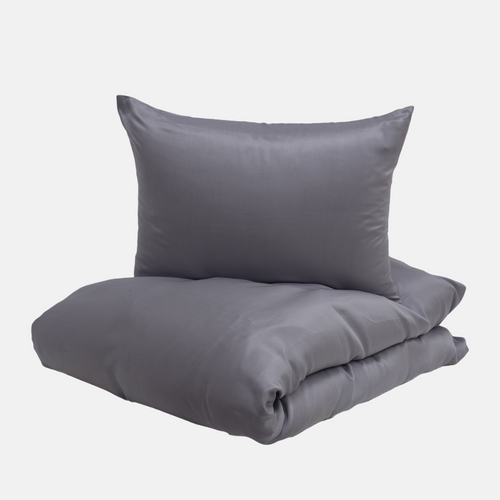
Many people sweat a little at night without noticing, and the moisture collects in the duvet and pillow. Bamboo bedding handles that moisture better than ordinary cotton, because the fabric draws it away and lets it evaporate. This can give a more even temperature under the duvet, but if you have heavy night sweats, talk to your doctor.
What bamboo cannot do
Bamboo is not waterproof, and a completely soaked top will be wet too. For long, hard training sessions, synthetic materials such as polyester dry faster. Bamboo is at its best in everyday life, when you sweat moderately and want a soft fabric against the skin. Choose the material based on what the clothing will be used for.
How to keep the absorbency
Fabric softener leaves a thin film on the fibres and can gradually make the fabric worse at taking in moisture. Wash bamboo at 30 to 40 degrees with a mild detergent and no softener. Let clothes, towels and bedding air dry, so the fibres keep their softness and absorbency.
Choosing bamboo
Think about where moisture builds up in your daily life. If it is sweat on warm days, a T-shirt is a good place to start. If it is the nights, bedding makes the most sense, and in the bathroom towels are the obvious choice. Start with one item, notice the difference over a few weeks, then expand. See also bamboo and temperature regulation and bamboo towels and bedding.
Frequently asked questions
How much moisture can bamboo viscose absorb?
Bamboo viscose absorbs more moisture than cotton relative to its weight. The exact figure depends on the weave and thickness of the fabric, but the difference is clearly noticeable in daily use.
Does bamboo clothing get wet when you sweat?
The fabric takes in the moisture but quickly passes it on to the air. That is why it usually feels dry against the skin, unless you sweat very heavily for a long time.
Why do bamboo towels dry quickly?
The fibres release moisture again when the towel hangs freely. As a result it often dries faster on the hook than thick cotton towels and stays fresher between washes.
You can find the full range at Bamboo-Clothing.com.