Bamboo and Economics – Why the More Expensive Purchase Is Cheaper in the Long Run
Short answer: The price on the label does not tell you what the clothing costs. The price per wear does. A garment worn twice as many times can cost twice as much and still be the cheaper one. That is where bamboo earns its place, because the pieces it is used for are worn every day.
Price per wear instead of price
The arithmetic is simple: price divided by the number of times you wear the garment. A t-shirt at twenty pounds worn a hundred times costs twenty pence a wear. One at ten pounds worn thirty times costs thirty three pence. The cheapest buy in the shop is therefore the most expensive to own. The numbers here are an example and not a measurement, but the logic holds whatever prices you put in: it is the number of wears and not the price that decides the sum.
Where it matters most
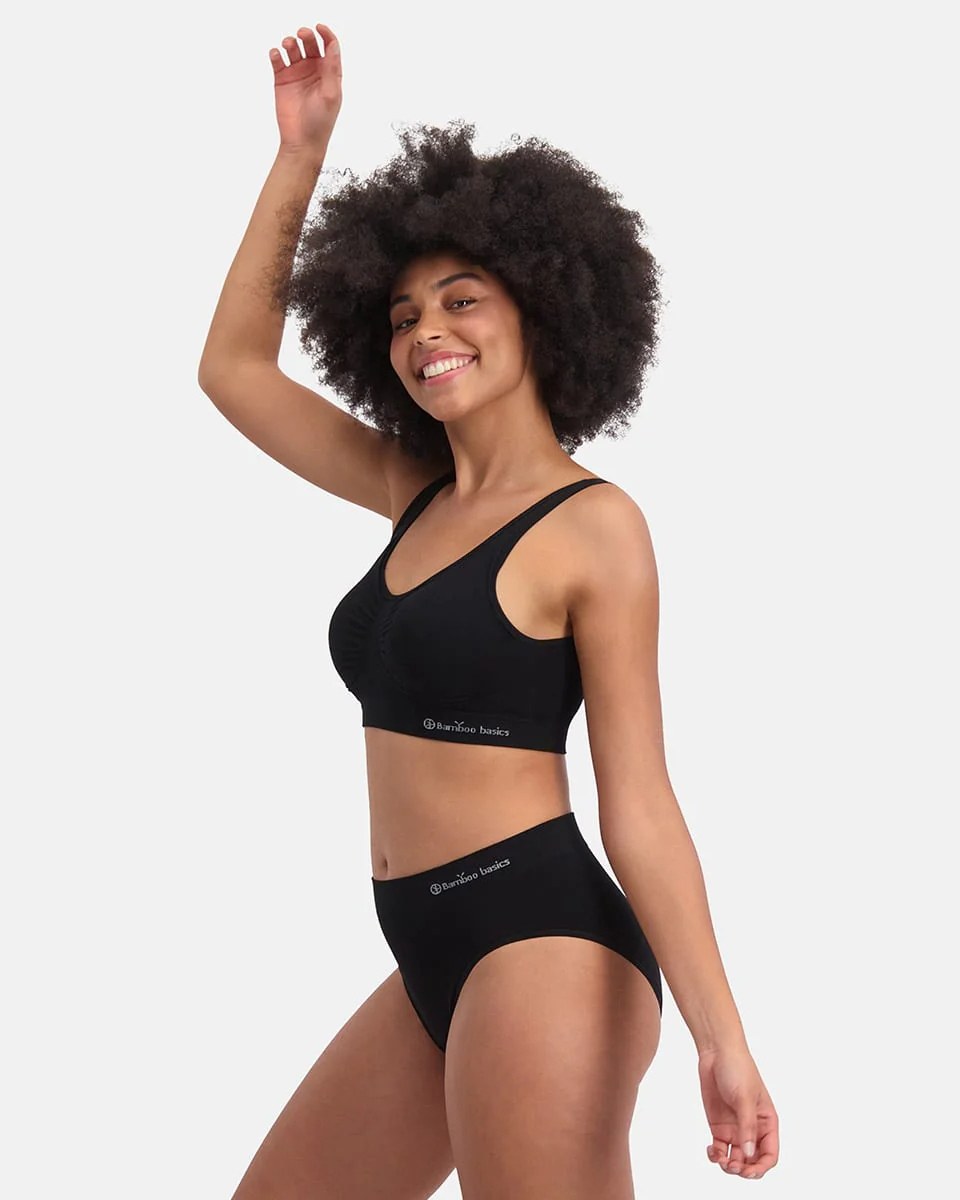
The gain is largest where the clothing is worn most often, and that is the innermost layer. Underwear is worn every single day and washed every single week, which is why it wears out fastest and gets replaced most often. A set that keeps its shape and softness through many washes has to be replaced less often, and that is the whole difference. See bamboo underwear for women and bamboo underwear for men. Start here, not with outerwear.
Socks
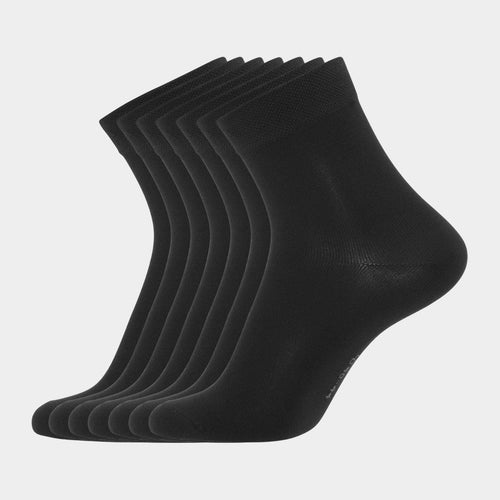
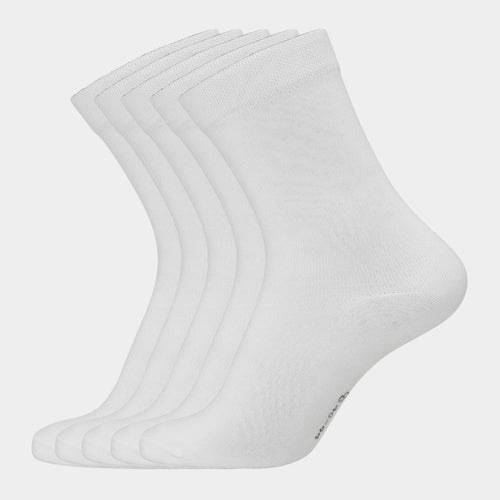
Socks are the clothing thrown out most often, because the heel and the toe wear through. A bamboo sock keeps the foot drier, and a dry material wears more slowly than a wet one, because wet fibres are weaker. The cuff is also where most socks go slack first, and a softer cuff without hard elastic lasts longer. See bamboo socks for women and bamboo socks for men.
Bundles rather than single pieces
If you are replacing the whole drawer anyway, a bundle costs less per piece than buying singly, and it has another advantage: every piece is the same age and wears at the same rate, so you can replace the whole set at once instead of ending up with four good ones and two worn out. See bamboo bundles for women and bamboo bundles for men.
How to get the lifespan
The sum only works if the clothing is treated properly. Wash at thirty degrees, use a mild detergent and skip the fabric softener, which closes off the moisture transport. Dry on the line or on the lowest heat, because high heat makes the fibres brittle. Fold knitwear and t-shirts rather than hanging them. Do that and the clothing lasts years rather than seasons. The full range sits under bamboo for women and bamboo clothing for men.
Frequently asked questions
Is bamboo clothing more expensive than cotton
In the shop, often yes. Per wear it depends on how long it lasts, and that mostly depends on how it is washed.
What wears bamboo clothing out fastest
High heat and fabric softener. The heat makes the fibres brittle, and the softener closes off the moisture transport so the fabric stops working.
Where should I start if the budget is tight
Socks and underwear. They cost the least, are worn every day and replaced most often, so that is where the money goes fastest.
You can find the full range at Bamboo-Clothing.com.