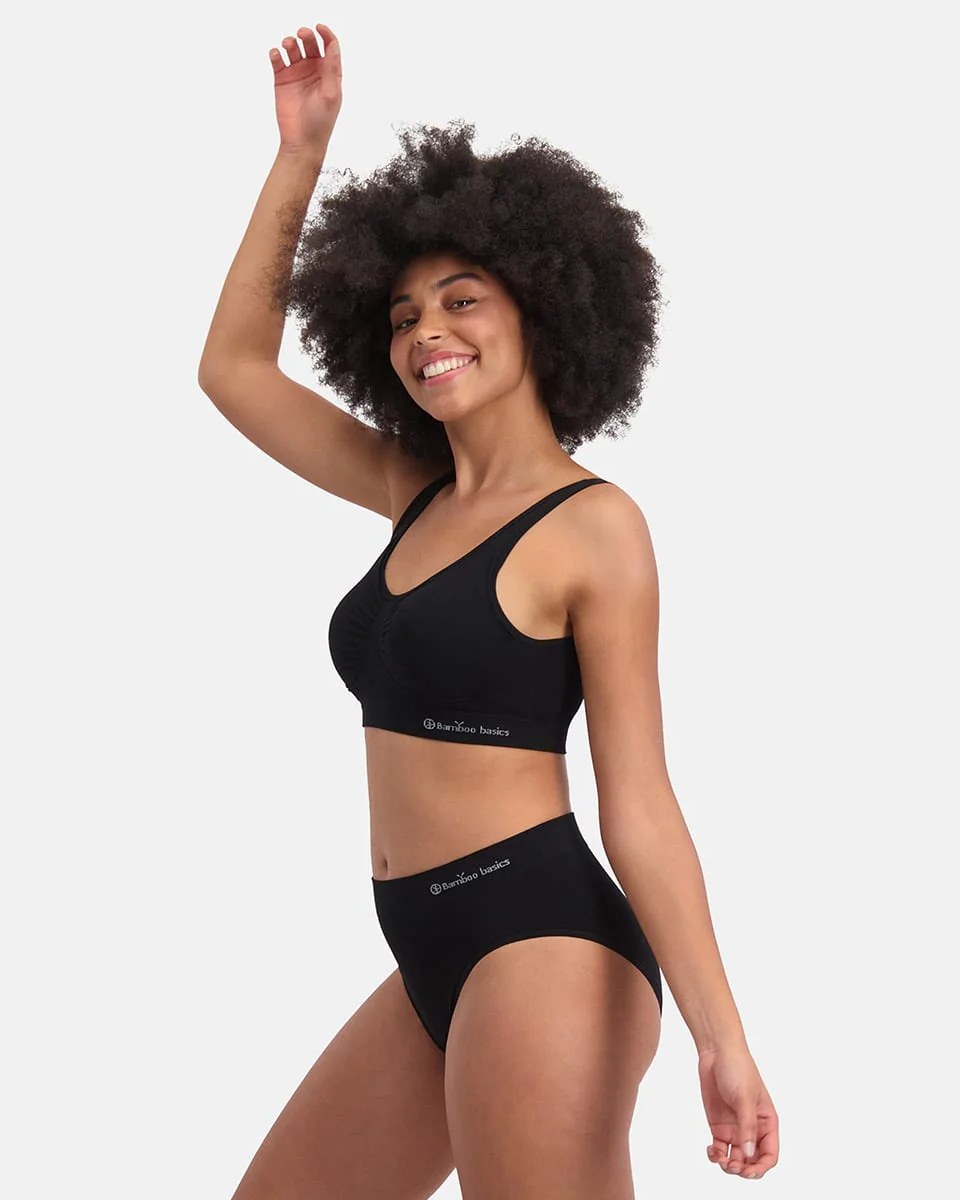
Bamboo Underwear vs. Microfiber – Which Is Better?
Short answer: Microfibre is synthetic and moves sweat across the fibres without absorbing it. Bamboo viscose takes the moisture into the fibre and releases it into the air. Both feel soft in the shop, but after a day against the skin the difference is clear: microfibre turns clammy and smells, bamboo does not.
What microfibre is
Microfibre is polyester or nylon spun into very fine threads. The fineness is the whole point: many fine fibres give a smooth surface and a soft feel, and the narrow gaps between the threads pull liquid across the fabric. The material is cheap to make and dries fast, which is why it is so widespread. The weakness is that the fibre itself absorbs no moisture. The liquid therefore stays between the threads instead of disappearing into the material.
What bamboo viscose is
Bamboo viscose is a cellulose fibre made from the pulp of the bamboo plant. The fibre is smooth with no sharp ends and absorbs moisture into the material itself, then releases it into the air again. That difference decides everything practical: a fabric that absorbs and releases dries the skin, rather than only moving the liquid somewhere else. The fabric also drapes heavier and therefore does not cling to the body on a warm day.
Skin and moisture
This is where the difference is largest. Microfibre feels smooth, but once it turns damp it settles as a film against the skin, and that is the clammy feeling many people know from a long day. Bamboo viscose keeps feeling dry, because the moisture is inside the fibre and not between fabric and skin. For sensitive skin and eczema it also matters that there is no damp synthetic layer rubbing. See bamboo underwear for women and bamboo underwear for men.
Odour after a day
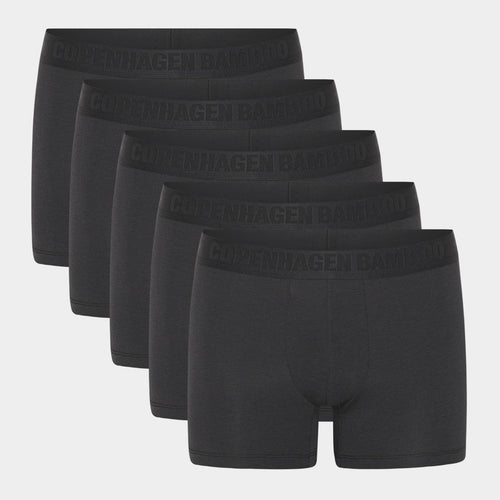
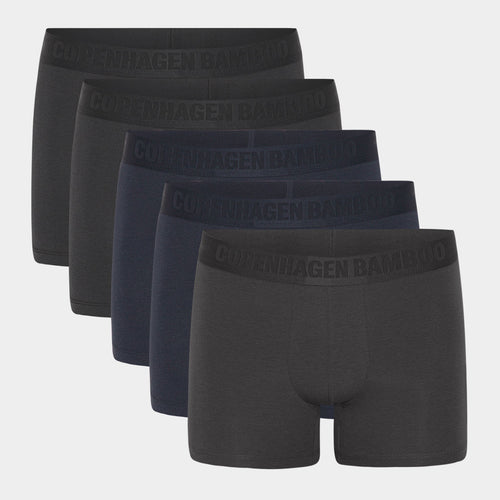
Odour in underwear comes from bacteria living in the moisture. In microfibre the moisture lies between the threads and stays there, which is why synthetic underwear often smells after a single day and keeps a trace of it after washing. In bamboo viscose the moisture is taken into the fibre and released again, so the bacteria have poorer conditions. It shows most clearly on briefs, which sit closest and warmest. See bamboo briefs.
At night and under your clothes
The night is the longest unbroken stretch where fabric touches the skin, and that is where microfibre's weakness shows most: the moisture has nowhere to go. Bamboo nightwear passes it on, so the bed does not turn clammy. See bamboo nightwear for women. The same goes for under the bust, where heat gathers most and a soft style without wiring sits still without pressing. See bamboo bra without underwire.
Frequently asked questions
Is microfibre bad for underwear
Not bad, but it absorbs no moisture. The liquid stays between the threads, so the fabric turns clammy and smells sooner than bamboo.
Which dries faster
Microfibre dries faster on a line, because there is no moisture inside the fibre. Against the skin bamboo feels driest, and that is the difference you notice.
What should I choose for sensitive skin
Bamboo. The fibre is smooth with no sharp ends, and a dry layer against the skin irritates less than a damp synthetic one.
See our range of Boody underwear.