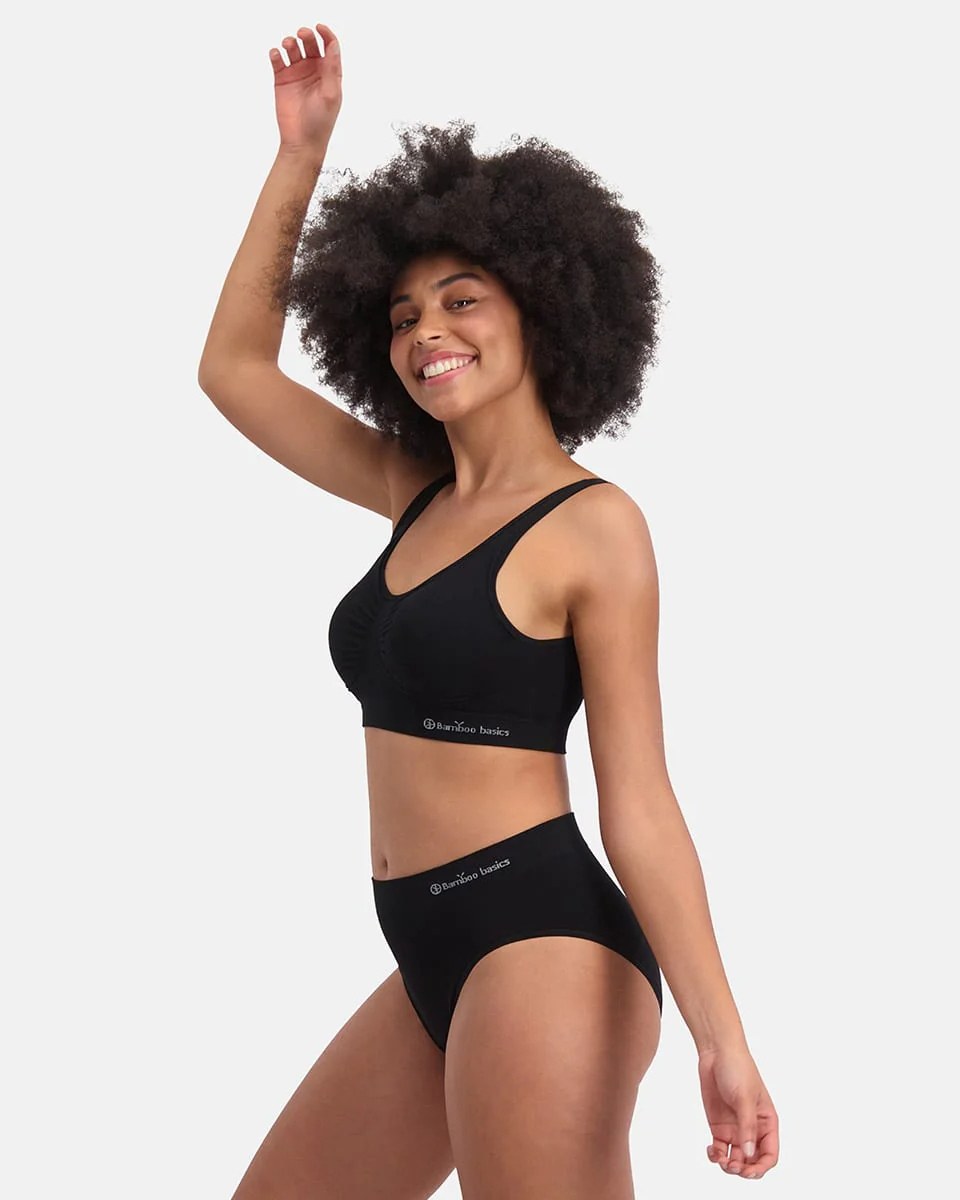
Bamboo and Temperature Regulation – How It Works
Short answer: Temperature regulation is about moisture, not about heat. Bamboo viscose takes the moisture from the skin into the fibre itself and releases it into the air again, and a dry layer against the skin feels cool when it is hot and warm when it is cold. That is the whole mechanism, and it works both ways.
Moisture decides how it feels
The body regulates its own temperature by giving off moisture. What clothing does is either help that or prevent it. A fabric that holds on to moisture leaves it lying against the skin: it cools you down when you want to be warm, and makes you clammy when you want to be cool. A fabric that absorbs the moisture and passes it on does the opposite. Bamboo viscose is a cellulose fibre with high moisture absorption and fast release, and that combination is what makes the same fabric work in summer and in winter.
In summer
When it is hot, you want the moisture away from the skin as fast as possible. A thin bamboo t-shirt does not turn heavy and does not cling, because the moisture is taken into the fibre rather than settling as a film between fabric and skin. The styles sit under bamboo t-shirt for women. The same goes for the innermost layer, where there is least air and most heat and where the difference is therefore felt most strongly. See bamboo underwear for men.
In winter
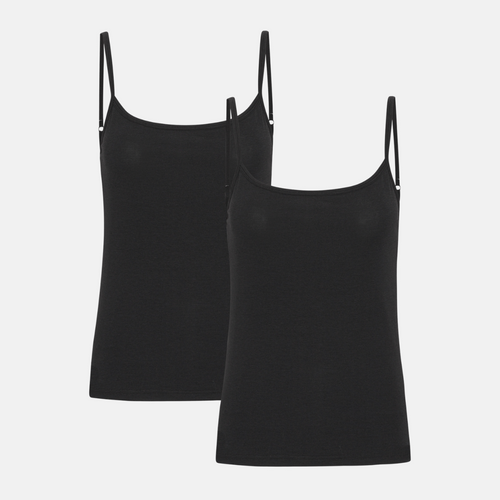
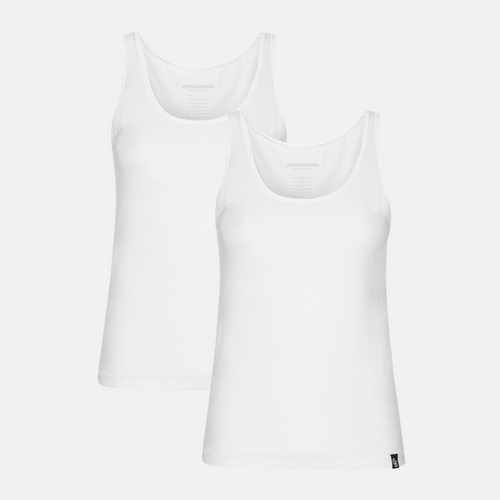
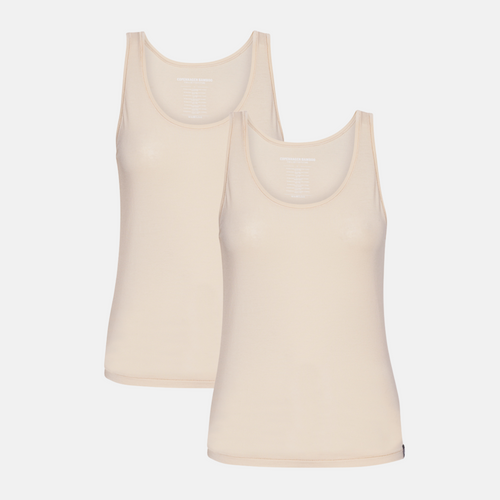
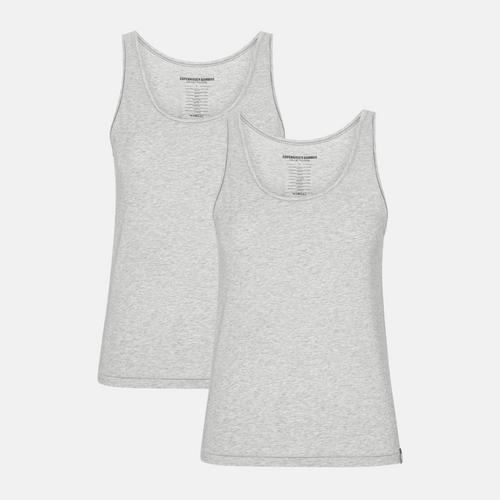
When it is cold, the task is reversed: the moisture has to leave the skin, but the heat should stay. A thin layer underneath does both, because it keeps the skin dry and at the same time holds the warm air close to the body. A thick jumper directly against the skin only does the second and leaves the moisture behind. The base layer sits under bamboo vest for women and bamboo vest for men, and it is that layer which decides whether the rest of the outfit works.
At night
The night is the longest unbroken stretch where fabric touches the skin, and the body gives off moisture the whole time, even without sweating. That is why bedding is where temperature regulation matters most for how well you sleep. Bamboo viscose moves the moisture away and releases it into the air, so the bed does not turn clammy during the night, and the fabric is also cool to the touch when you lie down. The range sits under bamboo bedding.
How to use it all year
Two wardrobes are not necessary. The same bamboo clothing is worn closest to the skin all year, and what changes with the season is the layers on top. In summer there are none, in winter there are two. That makes the wardrobe smaller rather than larger. The full range sits under bamboo for women and bamboo clothing for men, where the fabric composition is listed on every item.
Frequently asked questions
How can the same fabric both cool and warm
It does not regulate the heat itself, but the moisture. Dry skin feels cooler in heat and warmer in cold, and moisture is what the fabric moves.
Is bamboo cooler than cotton in summer
In practice, yes. That is not down to the temperature of the fabric, but to the moisture being released faster so the fabric does not turn heavy and clammy.
Do I need to change wardrobe between summer and winter
No. Keep the same layer underneath all year and change only the number of layers on top.
You can find the full range at Bamboo-Clothing.com.