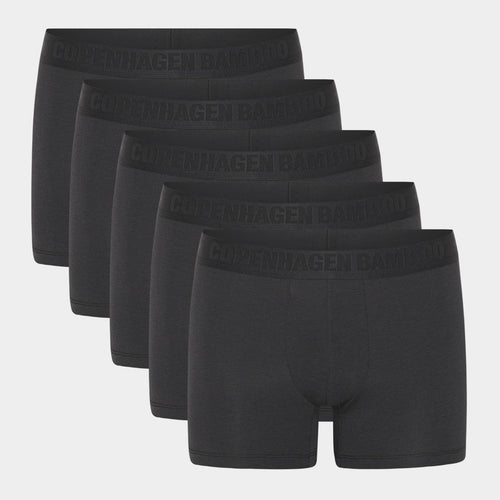
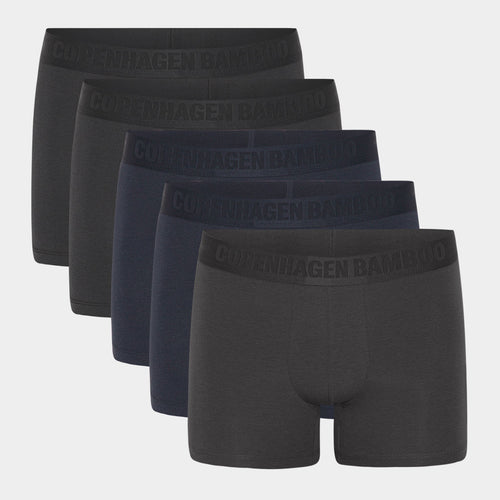
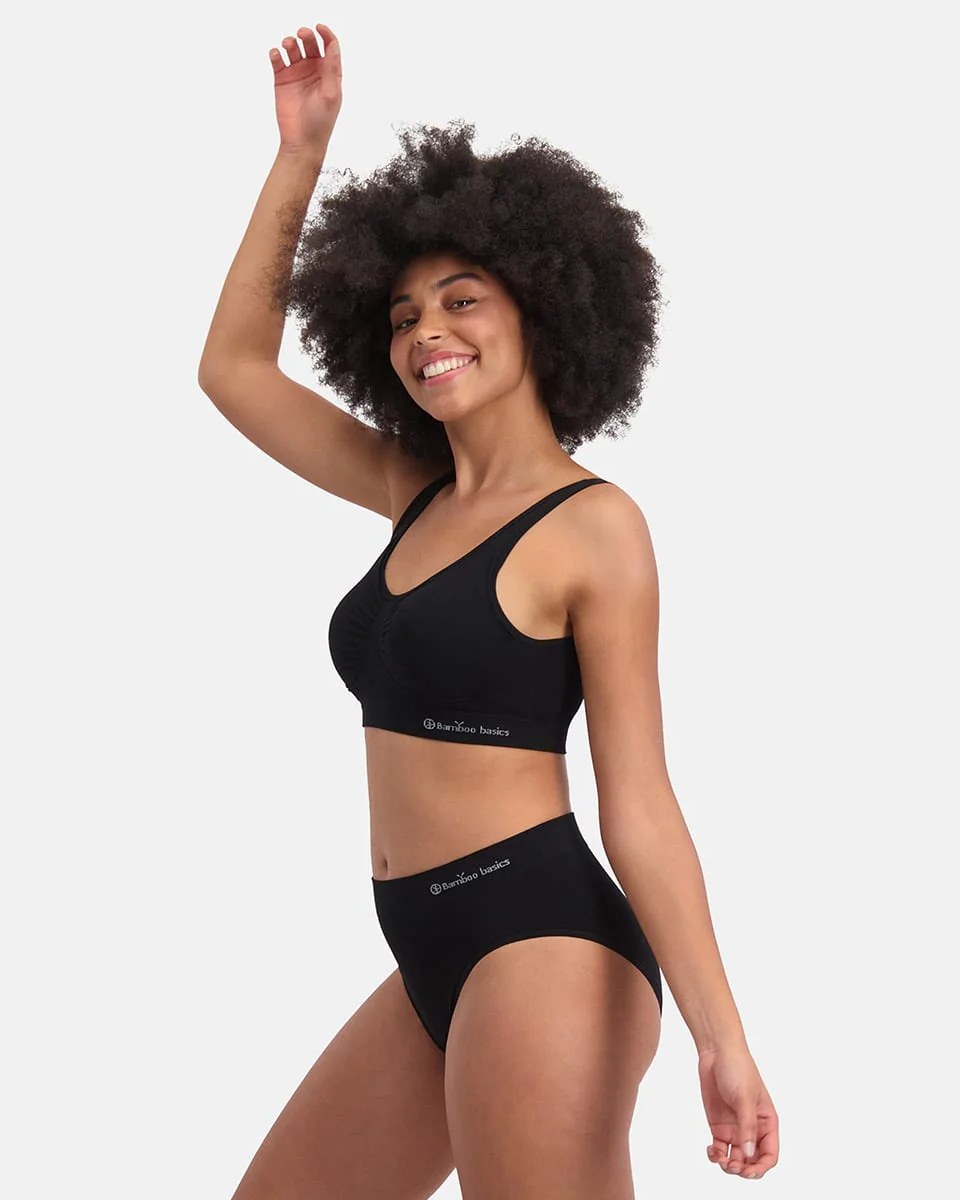
Bamboo Boxer Shorts vs. Microfibre Boxer Shorts
Short answer: Bamboo boxer briefs and microfibre boxer briefs both feel smooth, but they behave differently. Bamboo viscose absorbs and releases moisture and keeps the skin dry, while microfibre is synthetic, dries fast after washing, but keeps the sweat closer to the body while you are wearing it.
The materials in short
Bamboo viscose is a regenerated fibre made from bamboo: soft, moisture absorbing and with a soft drape. Microfibre is finely spun polyester or polyamide: light, smooth and strong, but without the ability to absorb moisture into the fibre itself. See the range of bamboo underwear for men.
The difference is what the fibre does with moisture
Bamboo viscose draws the sweat into the fibre and passes it on to the air. Microfibre absorbs almost nothing and instead moves the moisture mechanically out to the surface between the fibres. That works well with air and movement around the fabric, and less well under several layers where the air is still.
Comfort through a warm day
On a warm office day or under workwear, bamboo viscose keeps the skin driest, because the moisture is absorbed continuously rather than sitting as a film. Microfibre feels smooth at first but can turn clammy when the sweat has nowhere to go. That is the most common complaint about synthetic models.
Odour over time
Synthetic fibres hold on to the oils that bacteria feed on, which is why microfibre often starts to smell again shortly after a wash. Bamboo viscose keeps the skin dry and so gives the bacteria poorer conditions. Over a year, that is the difference most people notice most in practice.
Strength and lifespan
Here microfibre wins. Synthetic fibres are stronger, including when wet, and they tolerate the tumble dryer and a hard spin better. Bamboo viscose is weaker wet and belongs on a hanger. In return a bamboo pair holds its shape better through the day, because the fabric has a softer drape.
When microfibre makes sense
Microfibre dries very fast after washing, and that is a real advantage when travelling, where a pair is washed in a sink and has to be dry by morning. The same goes for situations where the item gets wet from the outside. For everyday wear in warm weather it is not the decisive property.
When bamboo makes sense
For daily wear, long working days, hot days and anything sitting under several layers of clothing. Those are the situations where the moisture has to leave the skin and not just reach the surface of the fabric. See the whole range of bamboo underwear for men.
How to wash the two
Microfibre tolerates 40 degrees and the dryer, but fabric softener ruins the moisture transport in both materials. Bamboo viscose should be washed at 30 to 40 degrees and hung to dry. If you wash them together, follow the gentler of the two instructions, or you wear the bamboo pair down needlessly. See also bamboo against polyester and cotton for training and bamboo underwear for men.
Frequently asked questions
What is the difference between bamboo and microfibre
Bamboo viscose absorbs moisture into the fibre and releases it to the air. Microfibre absorbs nothing and moves the moisture to the surface instead.
Which material smells least
Bamboo viscose. Synthetic fibres hold on to the oils bacteria feed on and therefore often start to smell again shortly after a wash.
When is microfibre the better choice
When travelling, where a pair is washed by hand and has to be dry by morning. Otherwise the fast drying time is rarely decisive.
See our range of bamboo underwear for men.