Bamboo clothing and the tumble dryer and what actually happens
Short answer: Three things happen at once in a tumble dryer. The fabric shrinks, the elastic breaks down, and the fibres rub mechanically against each other and the drum. On low heat all three effects stay small, and if you take the clothes out while they are still slightly damp, you skip the harshest part of drying.
Three things happen at the same time
It is easy to think of a dryer as a machine that simply removes water. In practice it affects clothes in three ways at once: heat makes the fibres contract, heat weakens the elastane, and constant tumbling rubs the fibres together. Each effect is small in a single cycle, but they add up time after time.
Shrinking comes from heat
Bamboo clothing is made from viscose, and viscose fibres contract in hot air. It happens most during the first few drying cycles and most at high heat. That is why a new T-shirt can come out noticeably shorter after one hot cycle, while the same shirt on low heat hardly changes. See washing and care for recommended temperatures.
Elastic handles heat poorly
Elastane is what gives stretch to waistbands, edges and close fitting fabrics. It loses its spring when heated, and the damage cannot be undone. That is why the waistband on briefs or boxers often goes slack long before the fabric itself wears through. If underwear is dried hot, you notice it first at the edges. See bamboo underwear for women.
The lint in the filter is your clothing
When you empty the lint filter, you see the result of mechanical wear. The lint is small fibres torn loose from your clothes during drying. The more lint that collects, the more the clothes were worn in that cycle. Soft fabrics like bamboo viscose shed fibres more easily than dense, hard fabrics, so they benefit most from gentle drying.
Low heat changes most of it
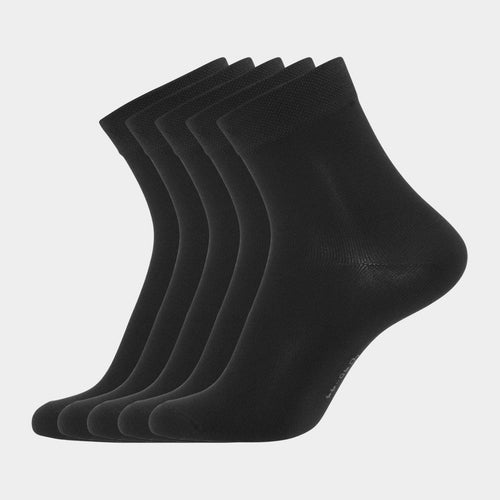
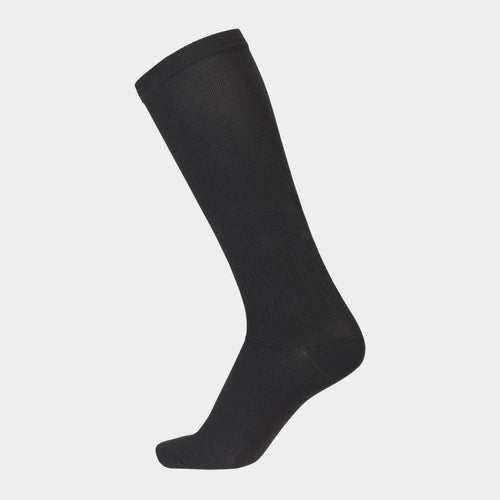
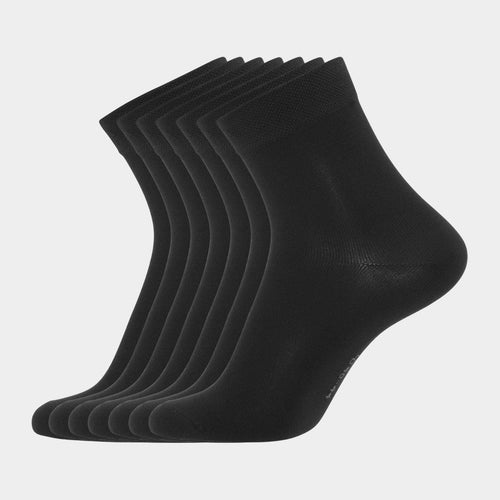
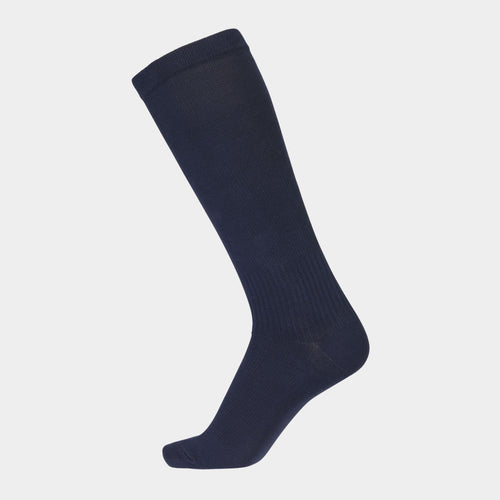
Choose the lowest heat setting and all three effects become much smaller. Shrinking drops, the elastic lasts longer, and the fibres wear less because the heat does not make them brittle. Drying takes longer, but costs far less in lifespan. Socks are a good example, since the heel and cuff give way first. See all bamboo socks for men.
Take clothes out while damp
The final part of drying is the hardest on clothes. When the fabric is almost dry, its temperature rises and the fibres rub together with no water to cushion the friction. Take the clothes out while slightly damp and hang them up, and you avoid exactly that part. This matters most for large items like duvets and sheets. See bamboo bedding.
The washing line is still best
If you can skip the dryer entirely, that is the gentlest option. Bamboo clothing dries fairly quickly on a line or rack because the fibre releases water easily. Shake the item out, pull it gently into shape and hang it in the shade or indoors. That way you avoid heat, wear and fading sunlight, and the clothes keep their shape and softness longer.
A simple routine
Wash at 40 degrees or lower, spin as usual, then choose either the line or the lowest dryer setting. Use a short cycle to soften the fabric and hang it for the rest. Empty the lint filter every time so air circulates and drying does not drag on. The routine takes a few extra minutes but can give your clothes many more washes.
Frequently asked questions
Can bamboo clothing go in the tumble dryer
Yes, on low heat. High heat shrinks the fabric, breaks down the elastic and wears the fibres, so pick the lowest setting and take the clothes out in good time.
What is the lint in the filter
It is fibres from your clothes that came loose during drying. The more lint that collects, the more wear the clothes took in that particular cycle.
Can you limit the damage
Yes. Use the lowest heat and take the clothes out while they are still slightly damp. Then hang them up, and you skip the harshest part of drying.
See our range of Copenhagen Bamboo.