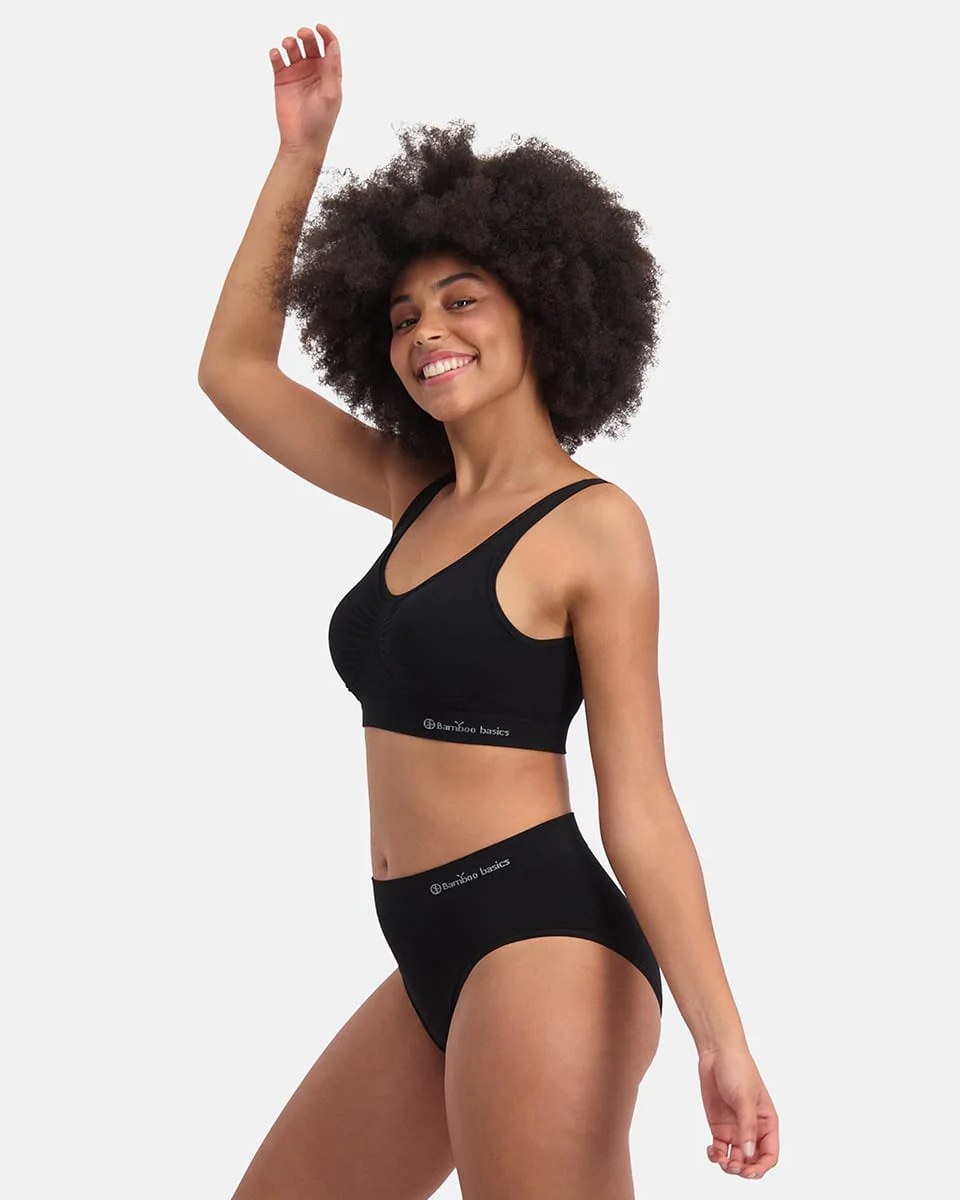
Bamboo clothing and what you can wear it for
Short answer: Bamboo clothing covers most of an everyday wardrobe, but not the formal part. For suits and stiff shapes, more tightly woven fabrics are still the right choice, while bamboo works best in the layers close to the skin.
Where bamboo clothing works best
Underwear, T-shirts, nightwear, loungewear and light tops are the categories where bamboo viscose makes the most sense. This is where softness and moisture transport matter most, because the fabric sits directly against the skin for many hours. A T-shirt worn all day feels different from a jacket you take off. See bamboo T-shirts for men.
Where it falls short
A stiff shirt, a jacket or a dress that should stand away from the body needs a firmer fabric. Bamboo viscose drapes softly and follows the lines of the body, which is both its strength and its limit. It cannot hold a sharp shape on its own, so tightly woven cotton, wool or linen suit that better.
Underneath the formal
Even when the outer layer is something else, the layer underneath can be bamboo. A thin undershirt beneath a shirt absorbs moisture before it reaches the shirt and feels soft all day. That matters most during long meetings, parties or days in a suit. Choose a close fitting model so it lies flat. See bamboo undershirts for men.
For work without a dress code
At a workplace with no shirt requirement, a neat T-shirt in a neutral colour can work on its own or under a cardigan. Choose a crew neck and a length that reaches a little past the waistband. Dark colours look best after many washes, because they hide both creases and small marks well.
At home and in your free time
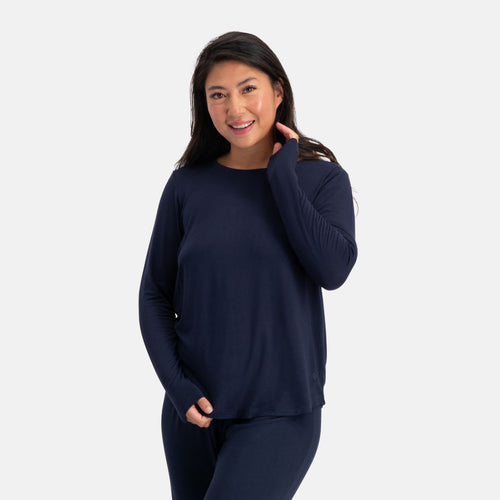
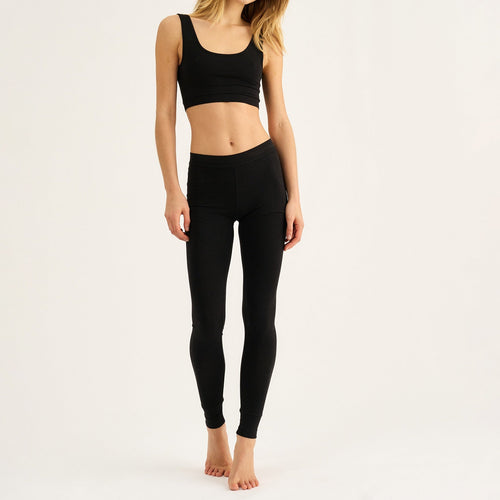
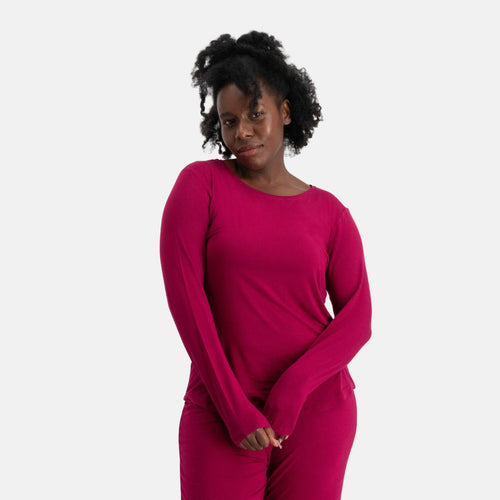
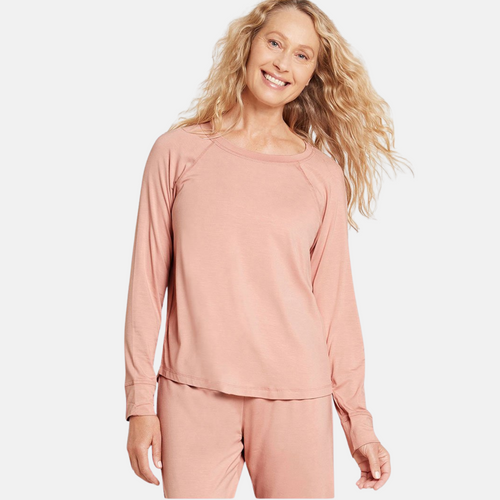
Here bamboo clothing covers everything, from lounge sets to nightwear. The soft drape and smooth surface make it comfortable to sit, lie and move around in. Many people wear the same set on the sofa in the evening and at breakfast the next morning, so one piece gets used more. See bamboo loungewear for women.
A warmer layer for cooler days
When the temperature drops, a bamboo sweatshirt or hoodie makes a good mid layer. It is softer than many traditional sweat fabrics and works at home, on walks and on a quiet day at the office. Over a T-shirt it gives you a layer that is easy to remove when it gets warm. See sweatwear.
How to combine the layers
A simple rule of thumb is bamboo on the inside and a firmer fabric on the outside. The inner layer moves moisture away, and the outer layer gives shape and protection from wind. That way you get the best of both materials in one outfit, whether for everyday use, travel or smarter occasions.
When you are unsure
Ask yourself whether the garment should hold a shape or follow the body. If it should hold a shape, like a blazer or a stiff shirt, bamboo is the wrong choice. If it should follow the body and stay comfortable for many hours, bamboo is a good choice. That question settles most doubts.
Care across categories
The rules are the same for every category, whether underwear, T-shirts or sweatwear. Wash at 40 degrees and skip fabric softener, because it leaves a film on the fibres and reduces moisture transport. Turn items inside out and let them air dry. Read more under washing and care.
Frequently asked questions
Can bamboo clothing cover the whole wardrobe?
For everyday life, yes, from underwear and T-shirts to nightwear and loungewear. For formal, stiff shapes such as jackets and shirts, tighter woven fabrics are better, but bamboo can sit underneath them.
Where does the material make the biggest difference?
In the layers closest to the skin, where softness and moisture transport matter most. That applies especially to underwear, undershirts and T-shirts that you wear for many hours every day.
Should different categories be washed differently?
No. 40 degrees and no fabric softener apply across all categories. Turn items inside out and let them air dry afterwards, or use low heat in the tumble dryer.
You can find the full range at Bamboo-Clothing.com.