Bamboo Clothing for Hiking and Outdoor Life
Short answer: Bamboo clothing works well for hiking and outdoor life, because it moves sweat away, smells less after several days of use and feels soft without chafing. Use bamboo as the inner layer and in your socks, and add wind and rain gear on top.
Where the material makes a difference
On a hike, the body constantly switches between warm climbs and cold breaks. Bamboo viscose moves moisture away from the skin, so you do not get cold the moment you stop to eat or enjoy the view. It is during the breaks that a wet inner layer is felt the most, and where a dry layer makes the trip comfortable.
Socks are the most important choice
Wet feet cause blisters, which is why socks are the most important item of clothing on a trip. Bamboo socks keep feet dry and fresh, even after many kilometres. Find them under bamboo socks for men. Bring an extra pair in your backpack, so you can change at lunch and give your feet a fresh start.
Socks for her
For women, exactly the same advice applies. See the range of bamboo socks for women, and choose a length that goes above the edge of your hiking boot, so the boot does not rub against the skin. A sock without coarse seams at the toes reduces pressure marks when you walk downhill for hours.
Layering with bamboo on the inside
Wear a bamboo undershirt as the inner layer, and add wool or fleece plus a shell jacket on top depending on the weather. Bamboo is not rainwear, but as the inner layer it helps you stay dry from the inside. The layers can come on and off during the day, so you neither sweat on the climb nor freeze at the top.
Long sleeves against sun and cold
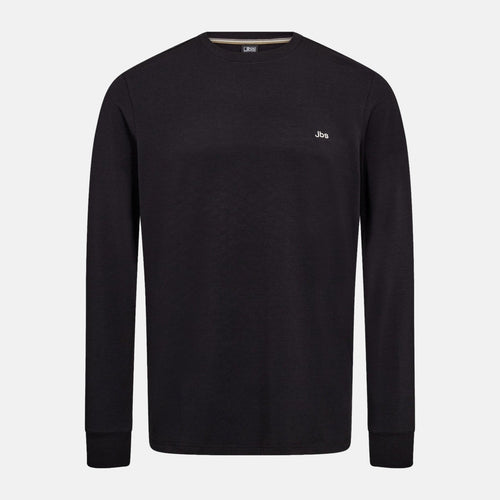
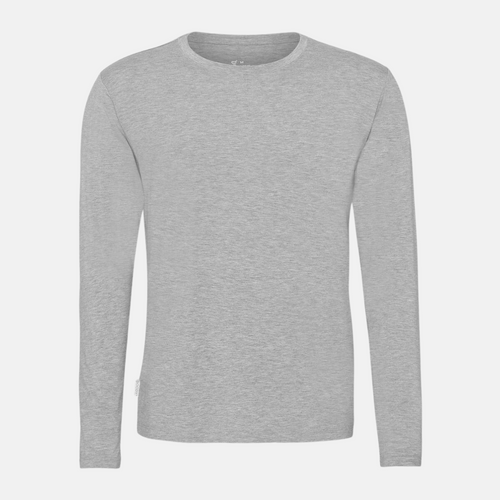
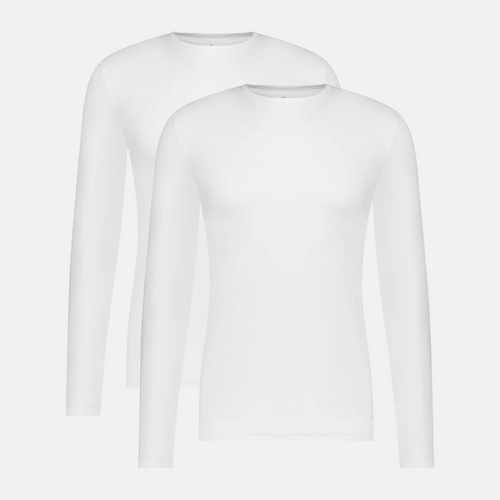
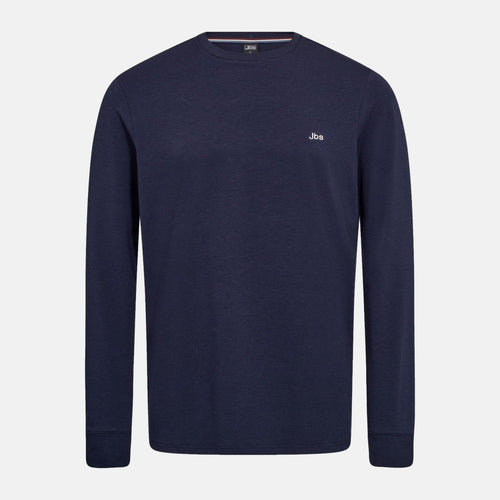
A long sleeve bamboo T-shirt is a versatile choice for the outdoors. It covers the arms against sun, wind and mosquitoes, and can be worn alone on warm days or as the inner layer when it turns cool. Because the fabric is light, it takes up little space in your backpack if you want a spare.
Several days on the trail
On longer trips with nights in a tent or shelter, odour becomes a practical issue. Bamboo usually smells less than synthetic materials after several days, so you can manage with fewer changes. Air your clothes in the evening and change into a dry set before you sleep, which gives the body better conditions to stay warm.
What bamboo cannot do
Bamboo is neither waterproof nor windproof, and it holds more water than technical polyester once it is soaked through. Use it close to the body and never as the only layer in rain and wind. The right shell jacket and rain trousers are still essential if a trip in bad weather is going to be a good experience.
Care after the trip
Wash bamboo clothing at 30 to 40 degrees on a gentle programme, and avoid fabric softener, which leaves a film on the fibres. Let the clothes air dry so they keep their shape. Turn socks inside out before washing, so dirt and skin from the sole rinse out better. Then your gear is ready for the next trip without extra effort. See also bamboo and temperature regulation and bamboo for training.
Frequently asked questions
Is bamboo good as a base layer for hiking?
Yes, bamboo moves sweat away from the skin and feels soft, so it works well as the inner layer. Add wool or fleece and a shell jacket on top, depending on weather and season.
Why are socks so important on a hike?
Wet feet lead to blisters and sore feet. A sock that keeps the foot dry and has no coarse seams makes a big difference over many kilometres, especially in closed boots.
Can I wear bamboo in the rain on a trip?
Bamboo is not waterproof, so it should always be combined with a shell jacket and rain trousers. As the inner layer, though, it helps keep your skin dry from sweat.
See our range of Copenhagen Bamboo.