Bamboo in everyday products
Short answer: Bamboo is found in everything from toothbrushes and chopping boards to floors, paper and textiles. What they share is the raw material, while the processes are very different, and the process decides what the finished product is like.
Hard products
Chopping boards, floors and furniture are made from glued strips or whole culms. The culm is split, dried and pressed together with glue to form a solid board. Here the hard wall of the bamboo is used directly. The surface is often treated with oil or lacquer.
Small things at home
Toothbrushes, cutlery, bowls and storage boxes are other examples of hard bamboo products. They are light and look natural. How long they last depends on how they are made and treated, and how they are used. Many cannot go in the dishwasher, so read the instructions first.
Paper products
Kitchen rolls, toilet paper and napkins are made from the cellulose in the same way as from wood. The culms are broken down, and the fibres are mixed with water into a pulp that is pressed and dried into paper. The fibres stay short and are not spun.
Textiles
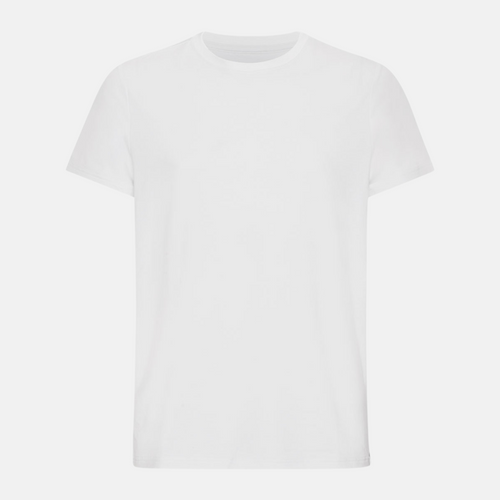
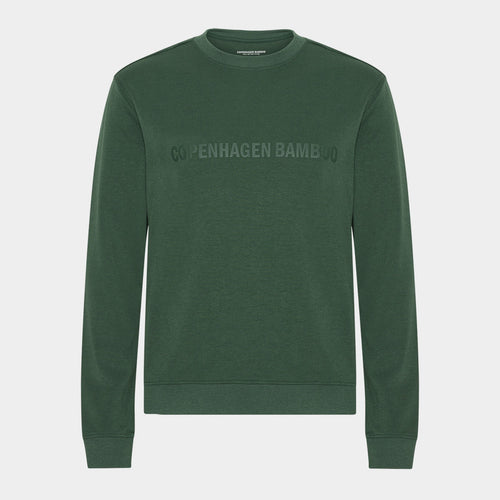
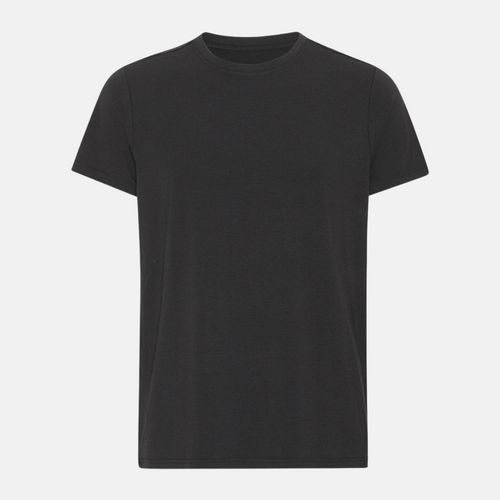
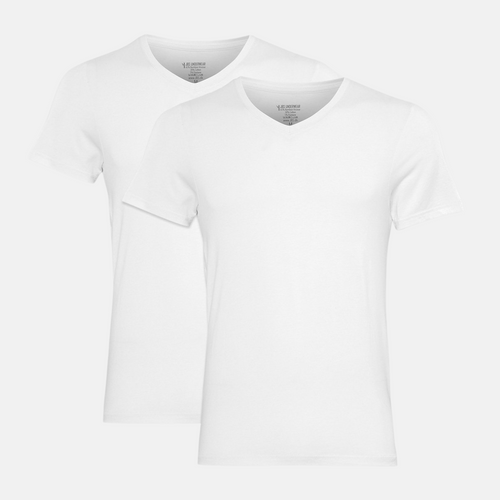
For clothing and bedding, the cellulose is dissolved and spun into long, soft fibres. It is a completely different process from both hard products and paper. The finished fibre is called viscose, and it is smooth and soft against the skin. See more in what is bamboo viscose.
Same raw material, different processes
A chopping board and a t-shirt have nothing in common apart from the raw material. One is made from the hard wall of the plant, the other from cellulose that has been dissolved and spun again. The properties of the finished product come from the process, not from the plant.
Quality varies
The word bamboo says nothing about the quality of the finished product. The process and the finishing decide that. Two towels can both be made from bamboo and still feel very different, depending on yarn, weave and weight. So look at the description and not only at the word bamboo.
In the bathroom
Bamboo towels are soft and absorb moisture well, because viscose is an absorbent fibre. Wash them at a moderate temperature and skip fabric softener, which can make the fabric less absorbent. Let them dry fully between uses. See the textiles in bamboo towels.
In the bedroom
Bamboo bedding is smooth and pleasant to sleep in, and many people choose it for that reason. The fabric should be washed gently and does best when dried hanging. Change it regularly like any other bedding. See the range in bamboo bedding.
Where you notice the difference
A hard bamboo product and a soft textile can come from the same field. It is the process and not the raw material that decides the result. For men, the fibre is mostly used in underwear, socks and t-shirts worn close to the skin. See bamboo clothing for men.
More about the plant
Bamboo is often described as a tree, but in botanical terms it is a grass. That explains why the culm is hollow and grows so fast, and why it can be used for so many things. Read more in is bamboo a grass or a tree.
Frequently asked questions
What is bamboo used for?
Among other things chopping boards, floors, furniture, toothbrushes, paper and textiles. The raw material is the same, but the process is different for each type of product.
Are all bamboo products the same?
No. Hard products are made from the wall of the culm, while textiles are made from dissolved cellulose. Quality depends on the finishing and not on the word bamboo alone.
How do I wash bamboo towels?
Wash at a moderate temperature and skip fabric softener, which can make the fabric less absorbent. Let the towels dry fully between each use so they stay fresh.
You can find the full range at Bamboo-Clothing.com.