Bamboo undershirt for men in winter and what a layer does
Short answer: A thin layer under your shirt warms more than a thicker jumper on top, because the air between the layers insulates. That is why two thin layers beat one thick one, and why an undershirt makes such a difference in winter.
The air between layers insulates
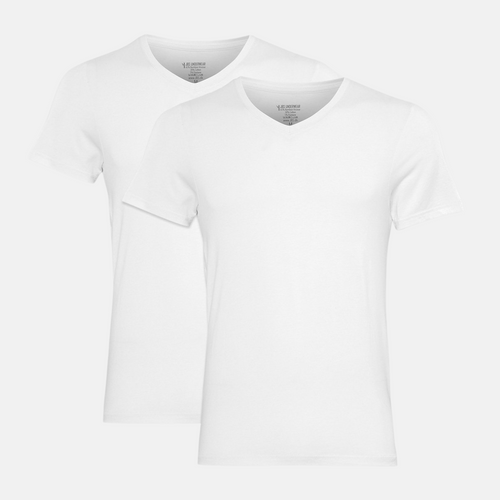
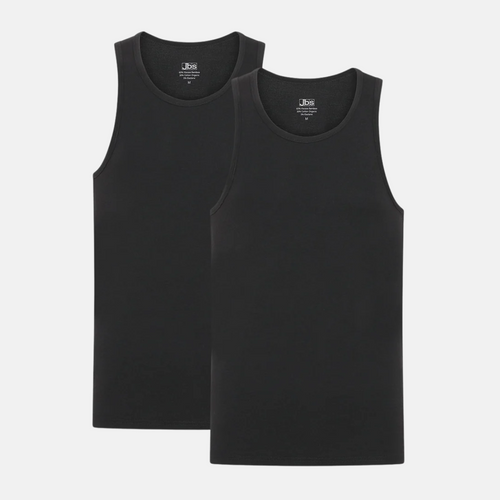
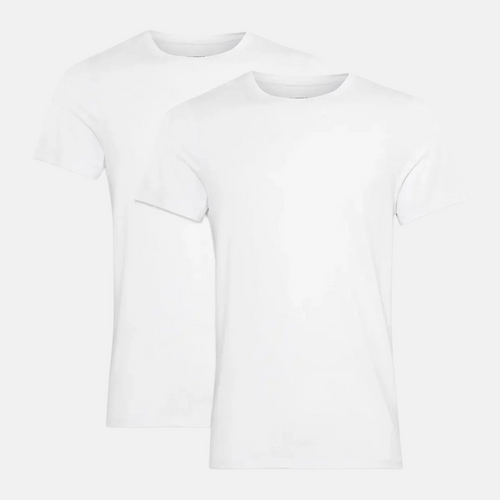
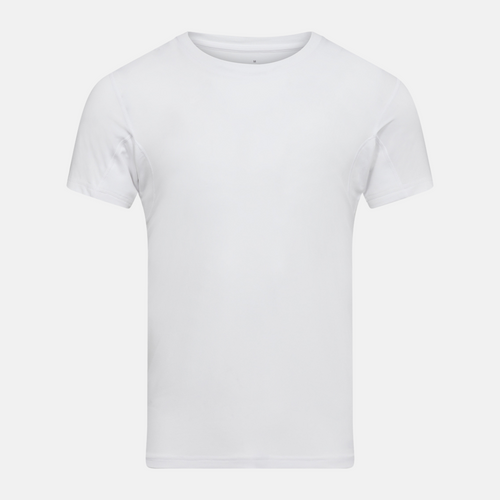
It is not the fabric itself that warms you but the still air it holds in place. Two layers create a pocket of air between them, and that pocket slows heat leaving the body. A single thick layer does not have that space in the same way. That is why a thin undershirt makes a noticeable difference. See bamboo undershirts for men.
Dryness is half the warmth
A damp undershirt cools you instead of warming you, because water carries heat away from the skin far faster than air. That makes a fabric's ability to move moisture crucial in winter. Bamboo viscose draws sweat away from the skin and out into the fabric, so the layer closest to your body stays dry.
Moving between outdoors and indoors
In winter you keep switching between cold outside and warmth inside. In the car, on the train and at the office you soon start to sweat under a thick jumper. When you step outside again, the damp jumper chills you. A thin layer against the skin and an outer layer you can take off handles this better.
Length against cold spots
A short undershirt exposes your lower back when you bend over, and cold air gets in between trousers and top. A longer cut that reaches well below the waistband covers you all the way. This matters most if you work outdoors or cycle, where your back is often bent forward for long stretches. See bamboo underwear for men.
Short or long sleeves
An undershirt with short sleeves fits under shirts and knits without bunching at the wrist. Long sleeves give your arms more warmth and are a good choice under a jacket on the coldest days. Many people keep both and choose by the weather. What matters is that the sleeves lie flat and do not squeeze under the outer layer.
The fit should be close
For an undershirt to move moisture, it needs to sit close to the skin. A loose top leaves air pockets where sweat collects, and then the fabric cannot do its job. Close does not mean tight, though. It should move with you when you lift your arms or turn, without riding up at the sides.
Down the legs as well
When it is really cold, a layer on your legs does more than another layer on top. The legs have large muscles and are often covered by only one pair of trousers that lets the wind through. Long underwear under your trousers creates the same air pocket as the undershirt does on your upper body. See bamboo long johns.
Combining the layers
The simplest winter setup is three layers. Innermost, a thin undershirt that keeps the skin dry. In the middle, a shirt or knit that holds the warmth. Outside, a jacket that stops wind and rain. Each layer has its job, and you adjust to the temperature by taking off the middle or outer layer during the day.
Wash it so it keeps working
Wash the undershirt at 40 degrees after each wear and skip fabric softener. Softener leaves a thin film on the fibres that makes them worse at moving moisture, and then the shirt loses exactly the quality that keeps you warm. Dry it on a hanger, and it keeps its shape and length all winter.
Frequently asked questions
Are two thin layers warmer than one thick
Yes, because the air between the layers insulates. A single thick layer lacks that air pocket, so two thin layers usually keep you warmer.
Why do I get cold after sweating
Because damp fabric cools the skin as the sweat evaporates. A layer that moves moisture away from the skin prevents this and keeps you warm for longer.
How long should an undershirt be
Long enough to stay below the waistband when you bend over. That way it covers the lower back and keeps cold air out between trousers and top.
See our range of bamboo undershirt for men.