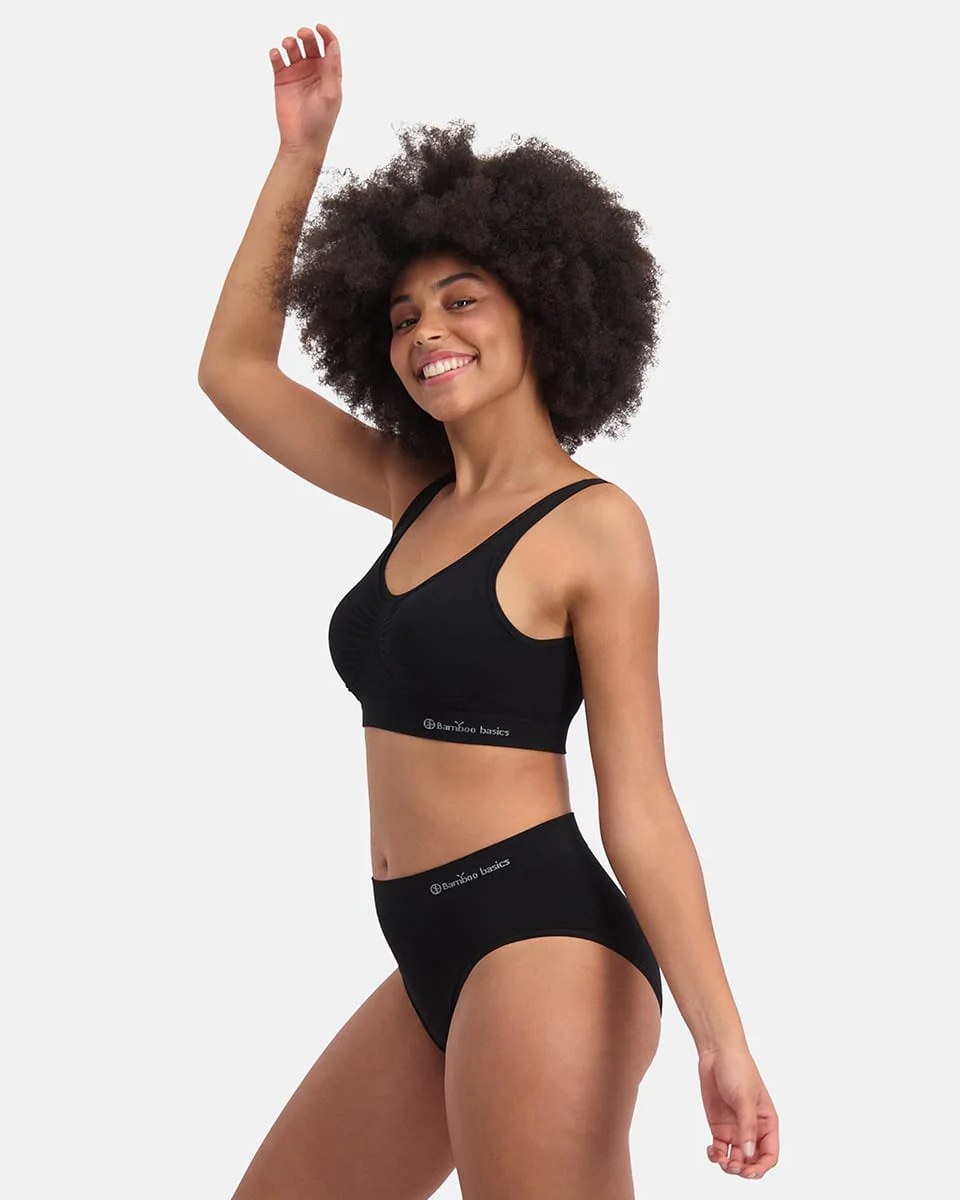
Bamboo undershirt for women and when to wear it
Short answer: An undershirt is a thin layer between skin and clothing. It keeps the outer layer free of sweat, adds some warmth in winter and makes thin fabrics less see-through, and none of that requires it to be thick.
Three jobs at once
An undershirt does three things at the same time. It keeps your blouse clean, because sweat ends up in the inner layer rather than in clothes that are harder to wash. It adds warmth without bulk. And it covers the skin under thin fabric. None of this requires a thick top. See bamboo undershirts for women.
Why a thin layer is enough
The thin layer is what makes an undershirt useful all year. It should fit under a shirt, a knit or a dress without pulling at the seams or making the top feel tight. Bamboo viscose is soft and smooth, so the outer layer slides over it instead of catching. That gives a clean line, even under fitted clothes.
Length decides whether it rolls up
An undershirt that ends at the waist rolls up under a blouse, especially when you sit or reach for something. A longer cut stays tucked into trousers or a skirt all day. This is the most common reason people stop wearing undershirts, so length is worth checking before anything else.
Colour under light clothing
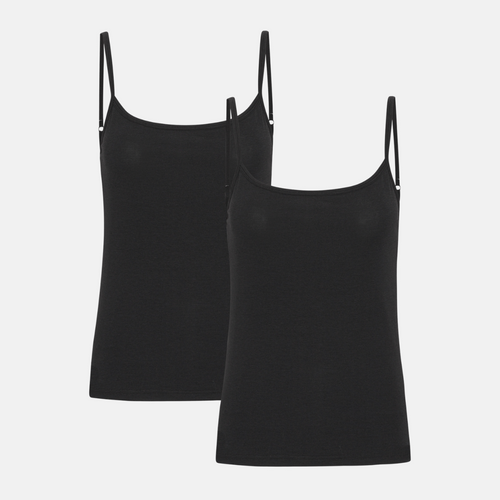
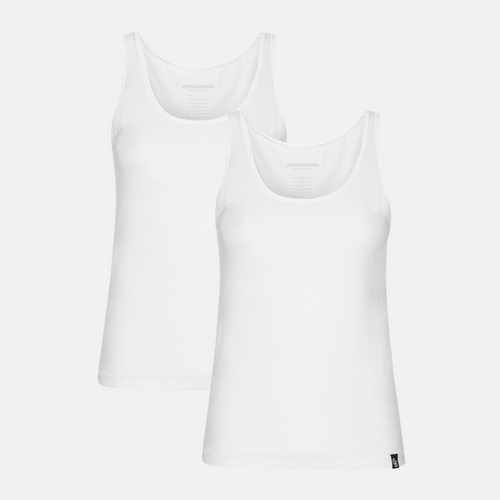
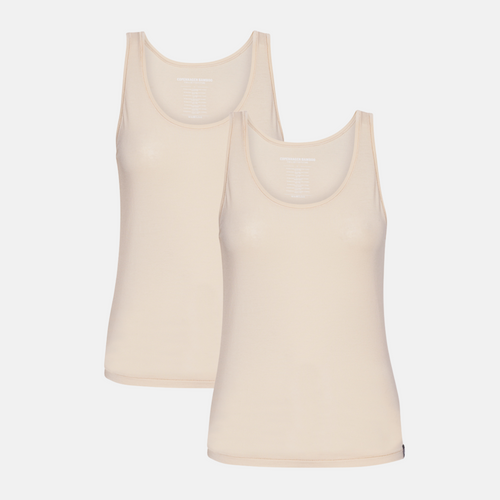
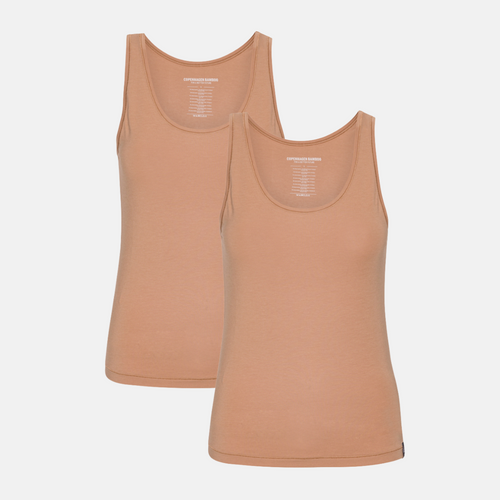
Under a light blouse, a skin toned top shows the least, because it matches the skin and does not form an edge. White stands out more than many people expect, especially in daylight. Black works best under dark clothes. If you wear both light and dark tops, one of each colour is practical. See bamboo tops for women.
Straps or sleeves
A top with narrow straps fits under most blouses and dresses with sleeves. A model with short or long sleeves also protects the underarms of the outer layer from sweat and gives more warmth in winter. Choose based on what you usually wear on top. Under a sleeveless dress, only a slim strap top works.
In winter as a layer
A thin layer under a jumper warms more than a thicker jumper alone, because there is air between the layers, and the air insulates. When you come in from the cold, you can take off the outer layer and still be dressed. That is handy in offices and shops, which are often warm. See bamboo underwear for women.
In summer under thin clothes
In summer an extra layer can seem wrong. But a thin layer in a fabric that moves moisture pulls sweat away from the skin and keeps the blouse dry. Without an undershirt the sweat goes straight into the top, where it leaves marks and odour. This applies especially to shirts and blouses in dense or light fabrics.
A fit that does not squeeze
An undershirt should sit close without squeezing. Too loose, and it folds under the outer layer. Too tight, and it presses at the armpits and waist and feels warm. A fabric with a little elastane follows the body and keeps its shape through the day. If you are between sizes, the larger one is often more comfortable.
Washing and lifespan
Wash the undershirt after each wear, since it has been against your skin all day. Use 40 degrees and a mild detergent, and skip fabric softener, which coats the fibres and makes them worse at moving moisture. Dry it on a hanger or flat, and it keeps its shape and softness for longer.
Frequently asked questions
What is an undershirt for
It keeps the outer layer free of sweat, adds some warmth and covers the skin under thin clothes, so a blouse can be worn more often between washes.
Which undershirt colour shows the least
A skin tone close to your own shows least under light clothes. White is more visible than many think, and black works best under dark tops.
Is an undershirt too warm in summer
No. A thin layer moves sweat away from the skin and keeps the blouse dry, so you often feel fresher than without one, especially in dense fabrics.
See our range of women's bamboo undershirts.