Bamboo viscose against lyocell in practice
Short answer: Bamboo viscose and lyocell are both made from plant pulp and feel soft. Lyocell is a little stronger when wet, and its production runs in a closed loop. In a finished garment the difference is small, so fit and fabric weight often matter more than the fibre name.
Two fibres made from plant pulp
Bamboo viscose and lyocell share a starting point: both are made from plant cellulose that is dissolved and shaped into a fibre. That is why both feel soft and drape well. The difference lies in the production and in how the fibre behaves in water, which is what we go through here in practice.
How they feel
In the hand the two sit very close together. Both are soft and drape neatly along the body. Some find lyocell slightly cooler and slightly smoother, but in a finished garment the difference is small. You will barely notice it unless you hold two pieces side by side.
How they hold up in water
Lyocell is stronger when the fabric is wet, so it tolerates washing a little better. Viscose is more delicate when wet and needs a bit more care, for example by not wringing or tugging the fabric. Always follow the care label in each item, whichever fibre it is.
Production in a closed loop
Lyocell is produced in a closed loop, which roughly means the process reuses its own processing chemicals. That is one of the real differences between the two fibres. How a single producer does it in practice cannot be seen from a product page, so look for certificate information before giving it much weight.
Tencel and lyocell
Tencel is a trademark for lyocell from one particular producer. So Tencel is lyocell, but not all lyocell is Tencel. If a garment says lyocell, that is the fibre you get, whatever name is on the label. Check the composition label to see which fibre and what share is actually in the fabric.
The price
Lyocell is often a little more expensive than viscose because production is more complicated. The price gap is rarely large, but it can add up if you buy many pieces at once. Ask whether the piece will be washed often and needs to last, because that is where a small extra spend usually returns the most.
Shrinkage and shape
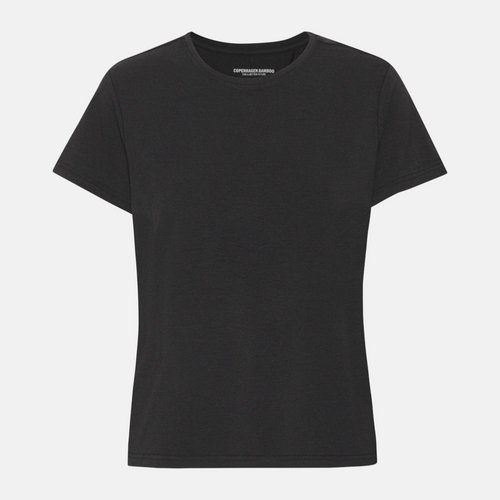
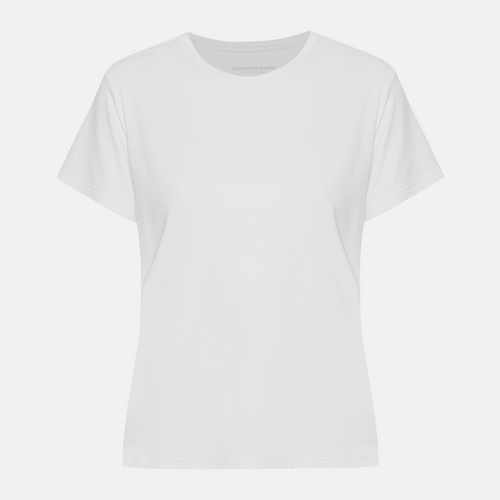
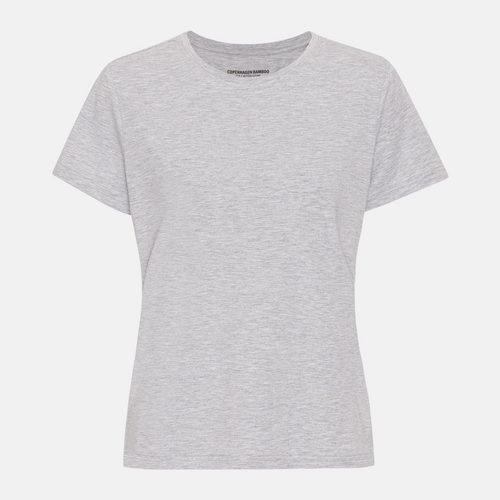
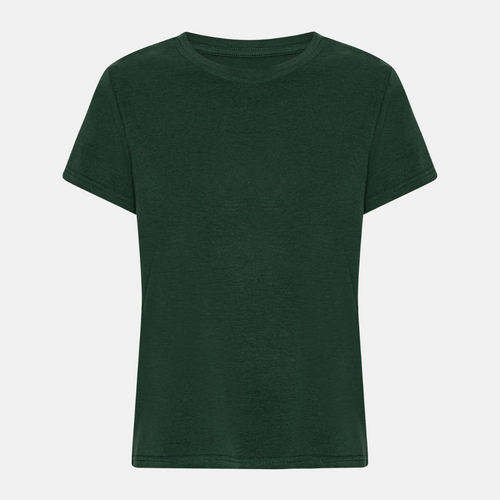
Lyocell typically shrinks a little less than viscose. Both fibres can still change if washed too hot or dried hard, so stay with the recommended temperature and let laundry air dry when you can. That goes for the bamboo t-shirt for women as much as the rest of the wardrobe, where shape has to survive many washes.
What suits what
Lyocell if the piece is washed often, viscose if price matters most. For women's bamboo pants and other clothes that see wear and frequent washing, lyocell can be a good choice. For bamboo sheets fabric weight also counts, so read the product description and see what it says about the fabric.
Fit matters more than the fibre name
In a finished garment the difference is so small that fit and fabric weight matter more than the fibre name. A piece that fits well and gets worn beats one with the right fibre word hanging in the wardrobe. So try, measure and choose what you will really put on, and let the fibre decide if all else is equal.
Frequently asked questions
Is lyocell more expensive
Often a little, because production is more complicated. The gap is rarely big, but it can add up across many pieces. Always check the current price of the item in front of you rather than judging by the fibre name alone.
Is Tencel the same as lyocell
Tencel is a trademark for lyocell from one particular producer. So Tencel is lyocell, but not all lyocell is called Tencel. Check the composition label if you want to know which fibre is in the garment.
Do they shrink the same
Lyocell typically shrinks a little less than viscose. Both can change if washed too hot, so follow the care label and preferably let the piece air dry so the shape lasts longer.
You can find the full range at Bamboo-Clothing.com.