Bamboo viscose or lyocell
Short answer: Both fibres come from plant matter, but differ in the process. Lyocell is made in a closed loop where the solvent is reused, while bamboo viscose requires an open chemical process.
Same raw material type, different process
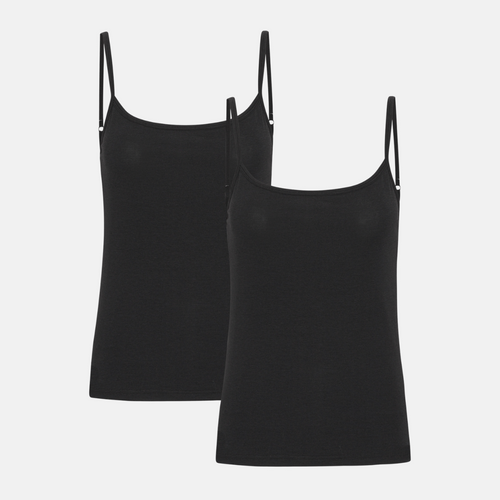
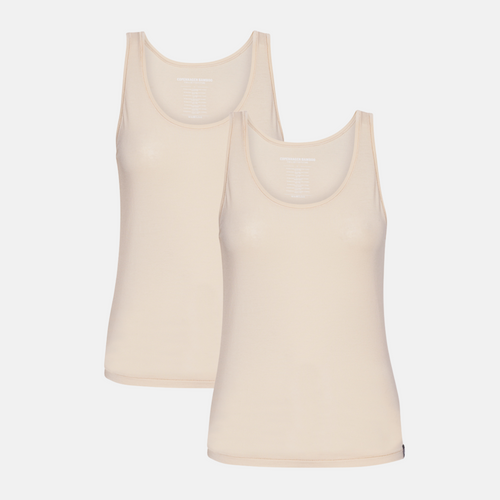
Both fibres begin as plant matter, which is dissolved and pushed through spinnerets to form new cellulose threads. Lyocell uses a different solvent than the viscose process and runs in a system where the chemicals are reused. See bamboo clothing for women to see how both fibres are used in finished garments.
Strength and washing
Lyocell is stronger when wet than bamboo viscose and therefore tolerates slightly harder treatment during washing and spinning. Bamboo viscose can become more fragile when wet and should therefore be handled gently in the machine. The strength difference is most noticeable over many washes, not in a single wash.
How it feels against the skin
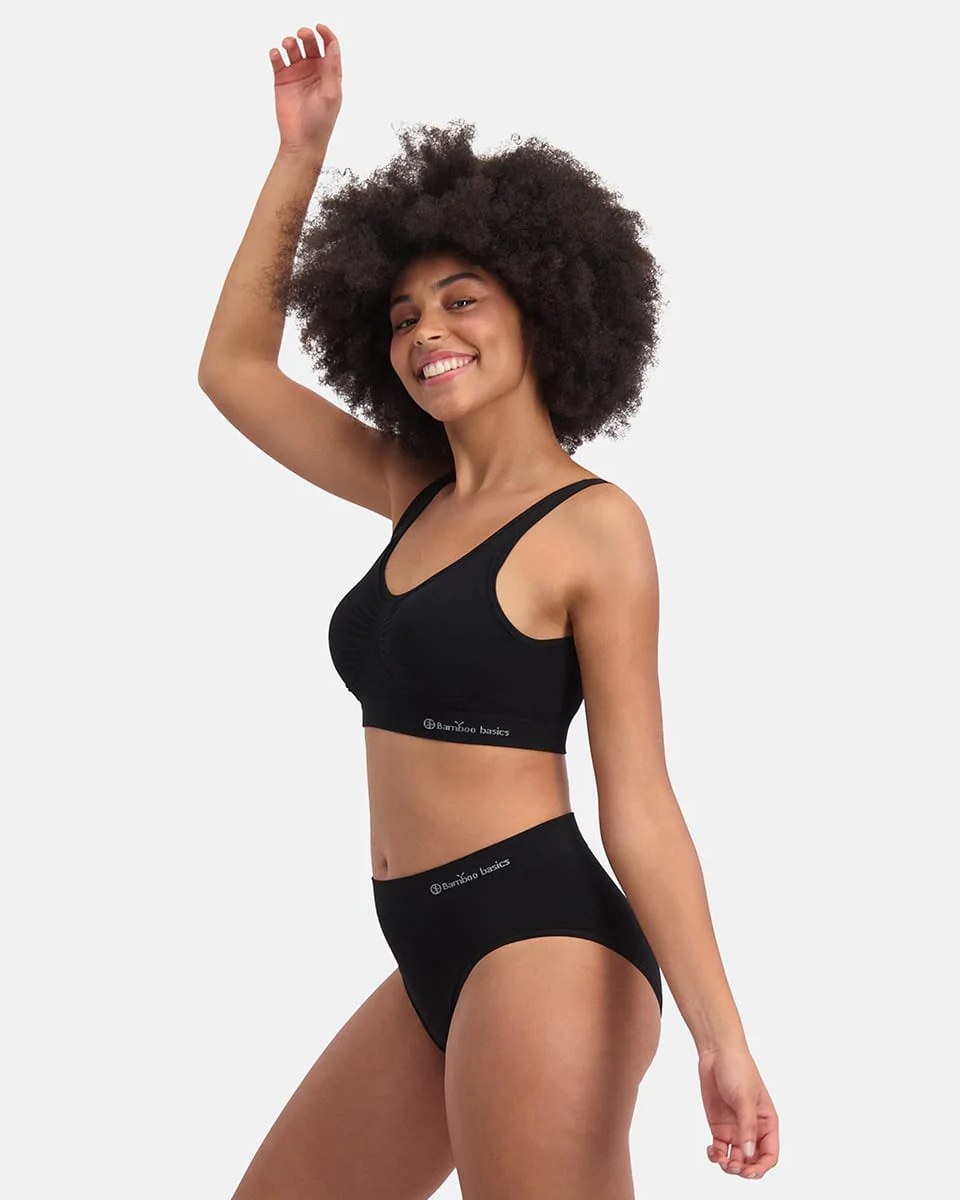
Both fibres feel smooth and cool to wear and feel similar to most people under ordinary touch. Most people therefore cannot tell them apart in a blind test on a knitted fabric. See bamboo underwear for women to feel the smooth surface on close fitting fabric.
Colour fastness and upkeep
Lyocell generally holds its colour better through many washes, because the fibre structure takes less damage from soap and movement. Bamboo viscose can fade slightly faster over time, especially with hot washing or frequent tumble drying. Gentle washing at low temperature extends colour fastness noticeably on both fabric types.
What to look for on the label
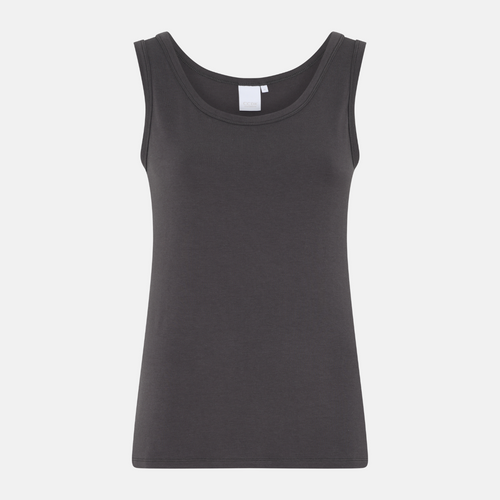
Look at percentages and blends rather than just the name, since a blend can shift the properties significantly. A garment labelled as one hundred percent bamboo viscose behaves differently from a blend with cotton or elastane. See bamboo tops for women for examples of pure and blended qualities.
The environmental process behind the fibres
Lyocell is typically made in a closed loop, where most of the solvent is recovered and reused in production. Bamboo viscose often uses an open process, where fewer chemicals are reused during manufacturing. Both processes need large amounts of water and energy, but differ in the degree of reuse.
Price difference between the two
Lyocell is often slightly more expensive to produce due to the more advanced technology behind the closed loop. Bamboo viscose typically costs less, making it a more common choice in cheaper clothing collections. The price of the finished garment, however, depends mostly on brand, cut and fibre blend.
Blends with other fibres
Both lyocell and bamboo viscose are often blended with elastane to give the fabric more stretch and a better fit. A small share of elastane does not change the fibre's basic properties, but makes the garment hold its shape better in use. Always read the label to check the exact composition before washing a new garment for the first time.
Is lyocell better than bamboo viscose
Lyocell wins on strength when wet and on the closed loop that reuses most of the solvent. Bamboo viscose often wins on price and availability, since the process is cheaper and more common in production. What is best therefore depends on whether you value strength or price more highly.
What to choose
For garments washed often and meant to last, lyocell can be the more robust choice over time. For everyday clothing where price and wide selection matter most, bamboo viscose is often the more practical choice. See bamboo t-shirts for women for both types in the same category.
Frequently asked questions
Is lyocell better than bamboo viscose?
Lyocell is stronger when wet and is made in a closed loop that reuses the solvent. In feel against the skin the two fibres resemble each other closely, and the difference shows mostly during washing.
Can bamboo be lyocell?
Yes, if the process behind the fibre is a lyocell process rather than an ordinary viscose process. Then the label often says bamboo lyocell instead of just bamboo viscose.
What matters most for the finished garment?
The knit and weight of the fabric matter more for the feel than the fibre alone. Two garments made from the same fibre can therefore feel very different depending on how they are made.
You can find the full range at Bamboo-Clothing.com.