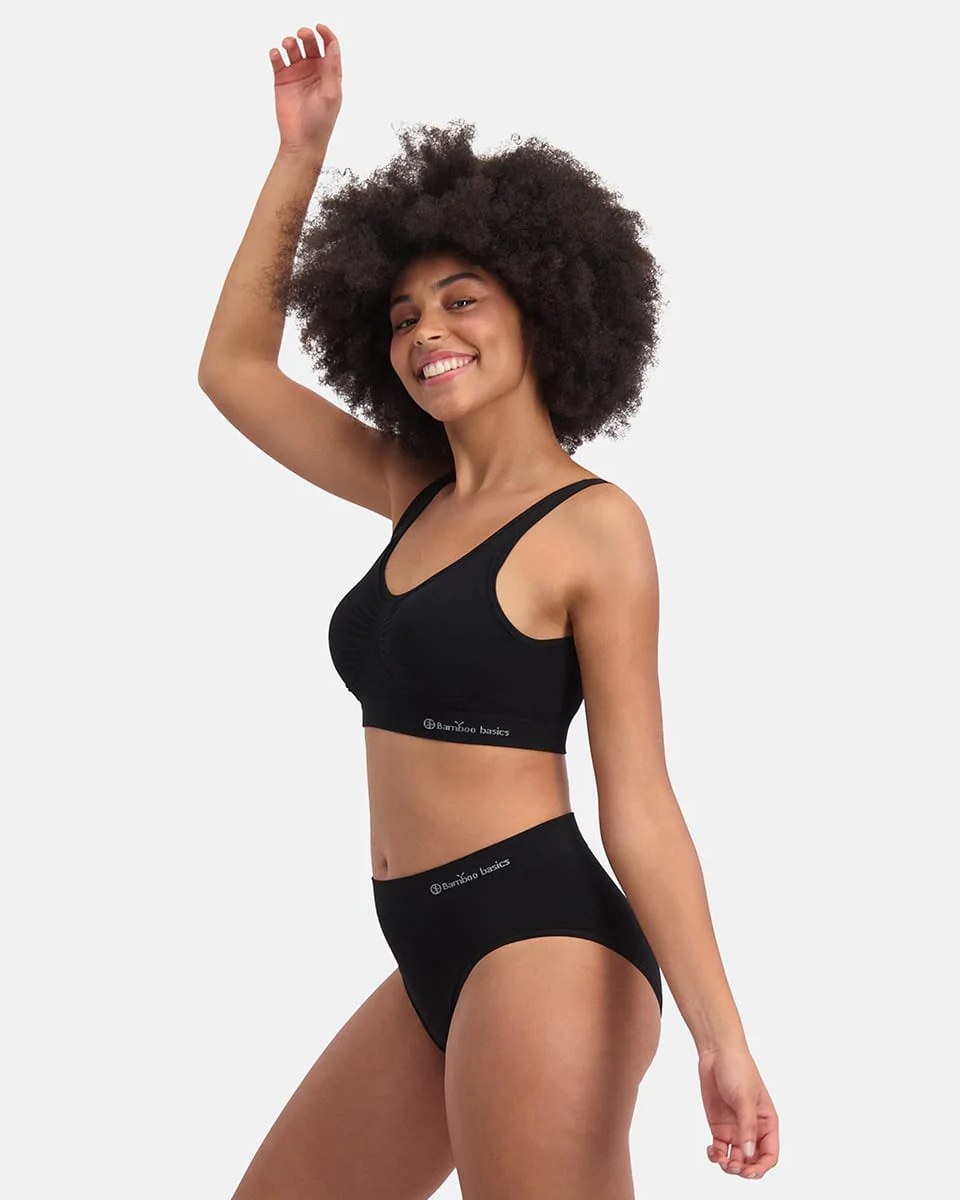
Bamboo viscose or microfibre in underwear
Short answer: Microfibre is synthetic and dries fastest of the two, but binds odour over time. Bamboo viscose absorbs moisture and smells less, but takes a bit longer to dry fully.
Drying time versus odour binding
Microfibre moves moisture away from the skin quickly and can be dry in under an hour after washing. However, odour compounds settle deep into the synthetic fibres and become hard to wash out completely. Bamboo viscose takes longer to dry, but smells noticeably less after a long day of wear.
How it feels against the skin
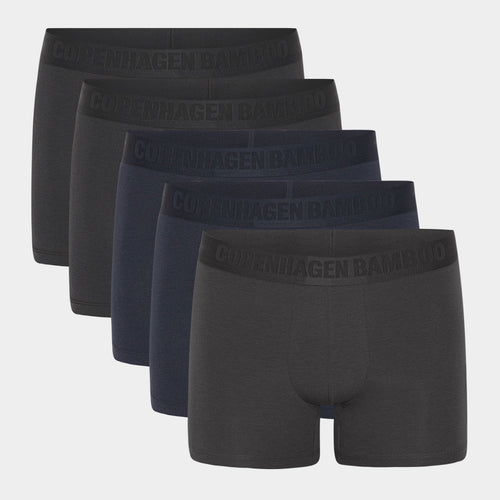
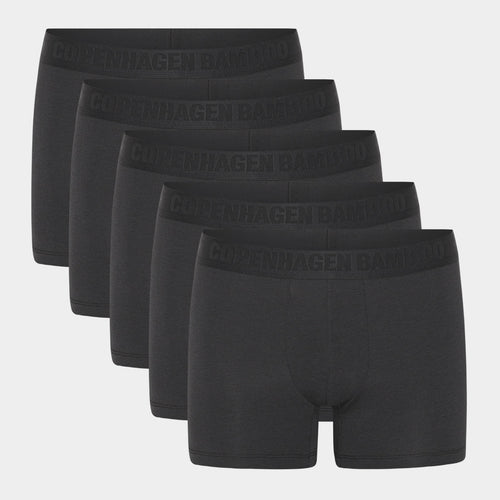
Microfibre feels smooth, but can feel somewhat plastic like and warm against the skin by comparison. Bamboo viscose feels softer, cooler and more natural against the body, especially in close fitting styles. See bamboo underwear for men to feel the difference on a close fitting fabric.
Bacteria and odour build-up
Bacteria thrive in the oily residue that builds up in synthetic fibres after sweat and use. Bamboo viscose has natural properties that make it harder for bacteria to take hold, resulting in less odour. This is one of the key differences between the two materials in everyday use.
Breathability during activity
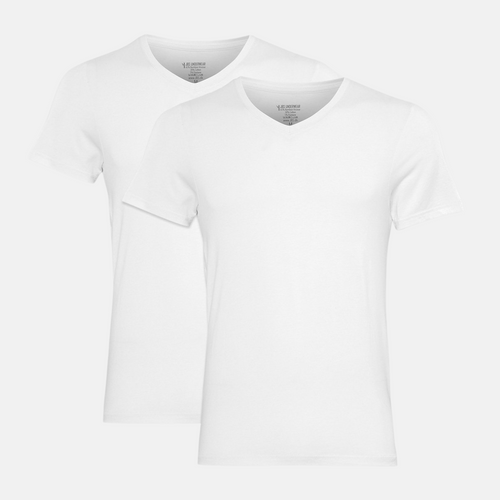
Microfibre is designed to carry moisture away during activity and works well for short, intense training sessions. Bamboo viscose also breathes well, but suits lighter activity and everyday wear better than hard training. See bamboo t-shirts for men for fabric that breathes well throughout the day.
Stretch and fit
Microfibre is often blended with elastane and therefore sits very close and holds its shape on the body. Bamboo viscose has natural stretch, but can loosen slightly more over the course of a day. Both work well for close fitting underwear, though microfibre keeps its shape more consistently throughout the day.
Washing and lifespan
Microfibre usually tolerates warmer washing and tumble drying without being damaged by frequent use. Bamboo viscose should be washed cooler and air dried to preserve softness and avoid wearing down the fibres. Proper care extends the lifespan noticeably on both fabric types, whichever one you choose.
Price difference in practice
Microfibre is usually cheaper to produce and is therefore often found in the lower price segment. Bamboo viscose typically costs a bit more due to the more complex manufacturing process and raw material. Price should still be weighed against comfort and odour, which many find more important than the purchase price itself.
Sport versus everyday use
For short, sweaty activities like running or strength training, microfibre is often the more practical choice. For full days in the same garment, at the office or at home, bamboo viscose is the more comfortable option. Many people therefore keep both types on hand for different purposes.
What to choose
For everyday wear and full days in the same garment, bamboo is generally the more comfortable choice for most people. For short, very sweaty activities, microfibre is often the more practical option instead. See bamboo underpants for men if you want to try a softer everyday alternative.
Frequently asked questions
Which dries fastest, bamboo or microfibre?
Microfibre dries clearly fastest, often in under an hour. Bamboo viscose absorbs moisture into the fibre itself and therefore takes longer to become fully dry.
Why does synthetic underwear smell faster?
Bacteria thrive in the oily residue that builds up on synthetic fibres after sweat. This residue binds odour tightly, and it is hard to wash out completely.
What is best for daily use?
Bamboo viscose is best for most people day to day, because it stays comfortable all day and smells less. For intense training, microfibre can still be a good addition.
See our range of Boody underwear.