Bamboo viscose versus cupro
Short answer: Cupro is made from leftovers of cotton production and is mostly used as lining in jackets and dresses. Bamboo viscose is used for clothing against the skin and is softer to wear.
What cupro actually is
Cupro is a regenerated cellulose fiber like viscose, but it is made from the short fibers left around the cotton seed after harvest. The result is a very smooth, cool and lightweight fabric with an almost silky feel against the fingers, even though the raw material is essentially a byproduct of the cotton industry.
Where the two types are used
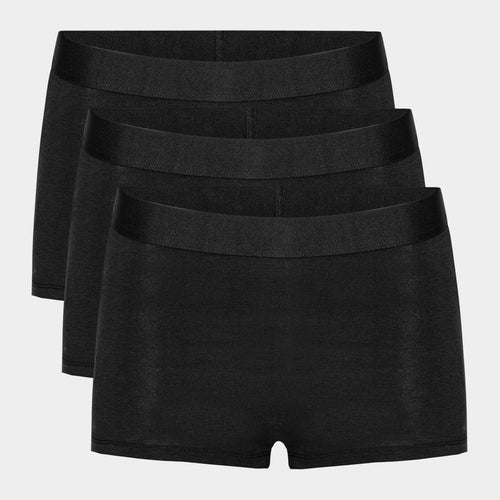
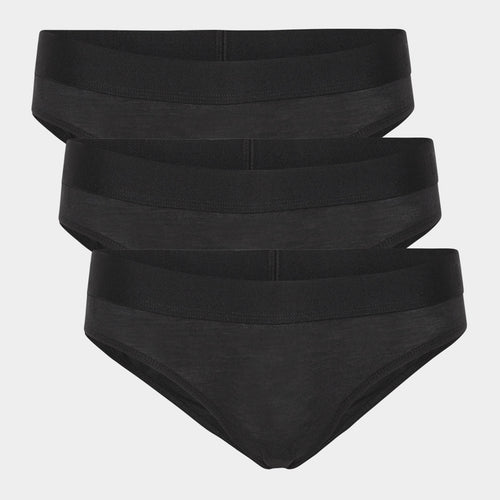
Cupro is used almost exclusively as lining in jackets and dresses, where the smoothness makes garments easy to put on and take off without catching. Bamboo viscose, on the other hand, is used for clothing that sits against the skin all day, from t shirts to underwear. See bamboo underwear for women for examples.
The feeling on direct contact
Cupro is cooler to the touch than bamboo viscose, but also thinner and more delicate in the fabric itself. Bamboo viscose is fuller and withstands more everyday use without wearing out as quickly as cupro does. For a dress that gets worn often, bamboo is therefore the more practical choice. See bamboo dresses for examples of this.
Caring for the two fibers
Cupro shrinks easily with the wrong wash and therefore often needs professional cleaning to keep its shape over time. Bamboo viscose is usually washed at thirty degrees in the machine without any issues at all. This is one of the main reasons cupro is rarely used for everyday clothing. See bamboo clothing for women for alternatives.
Strength and wear resistance over time
Bamboo viscose is usually stronger in everyday use than cupro, which can tear or fray if exposed to sharp edges or rough handling. Cupro lining in a jacket rarely wears hard, because it sits protected inside the garment, while outer clothing in bamboo viscose is exposed to far more wear in daily life.
Price difference between the two fabrics
Cupro is more expensive to produce than regular viscose because of the more demanding process, and this is often reflected in the price of the finished garment. Bamboo viscose is cheaper to produce in large quantities and is therefore used more often for everyday items, while cupro is reserved for finer details like lining in exclusive jackets and dresses.
Breathability and moisture transport
Cupro moves moisture well away from the skin thanks to its smooth structure, but it is still rarely worn directly against the body anyway. Bamboo viscose absorbs moisture directly into the fiber and is used precisely for that reason in clothing that sits close to the skin all day. Both fibers handle moisture well, but for different types of clothing.
Environmental aspects briefly explained
Cupro is made from a byproduct of the cotton industry, which in theory makes use of something that would otherwise go to waste during production. Bamboo viscose comes from a fast growing plant, but both processes use chemicals during the actual manufacturing. Neither fiber is therefore clearly the better choice environmentally without a closer, more detailed comparison first.
What you should choose
If you need a fabric against the skin all day, bamboo viscose is the more practical and durable choice for most people overall. If it is a nice lining for a jacket or dress that will not see hard wear, cupro can add a refined touch. The two fibers complement each other well in a wardrobe.
Frequently asked questions
Are cupro and viscose the same
Related fibers. Both are regenerated cellulose, but the raw material and the actual manufacturing process differ from one another.
Can you wash cupro at home
Often only by hand in cold water. Always read the label, since many items need professional cleaning instead.
Which of the two is strongest
Bamboo viscose is usually stronger in everyday use than cupro, which is generally more delicate against wear over time.
You can find the full range at Bamboo-Clothing.com.