Viscose, rayon and bamboo are three words for the same thing
Short answer: Rayon is the American name for viscose, while European brands use the word viscose instead. Bamboo in front tells you which raw material the cellulose originally came from.
The three words explained simply
Viscose is the European term for a regenerated cellulose fiber, made by chemically dissolving cellulose and spinning it into new threads. Rayon is exactly the same thing, just the name used in the United States and some other countries outside Europe. Bamboo viscose is viscose made from cellulose sourced from bamboo instead of wood.
What the label actually tells you
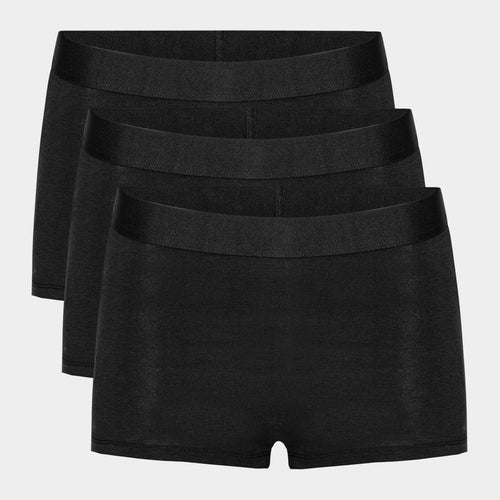
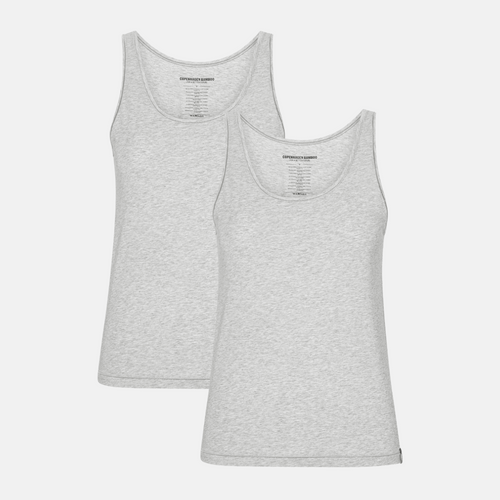
In the EU the label on clothing must state the actual fiber type, meaning viscose, regardless of which plant the cellulose originally came from. Many producers voluntarily add the raw material, so it says bamboo viscose instead of just viscose on the tag. If it only says viscose, you therefore do not know for certain where it came from. See bamboo clothing for women.
Bamboo lyocell exists as a variant too
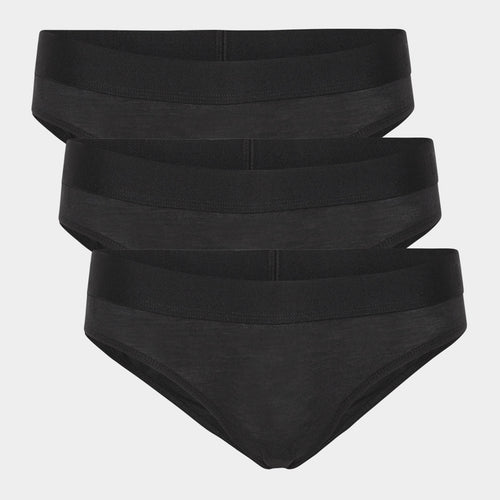
Some producers make bamboo using the lyocell process instead of the regular viscose process, and this is a different method with a more closed loop for the chemicals involved. So it says bamboo lyocell on the label instead of bamboo viscose, and this can be worth looking for if the process matters to you personally. See bamboo underwear for women.
Why the naming confuses so many people
Because three different words actually cover the same basic fiber, confusion often arises when comparing products across brands and countries in the store. An American shop calls it rayon, while a European shop calls the same fiber viscose instead. Bamboo in front of either word simply tells you something about the raw material behind the yarn.
What you can rely on instead
Certifications like OEKO-TEX and FSC say something concrete about chemistry in the finished fabric and about responsible forestry behind the raw material respectively. See OEKO-TEX certified products and FSC certified products if you want to know more about what the two certifications actually cover and guarantee for you as a buyer.
Is bamboo viscose a natural fiber or not
Bamboo viscose starts as a natural raw material, but goes through a chemical process that completely changes the cellulose into something new entirely. It is therefore called a regenerated fiber and not a pure natural fiber like wool or cotton, where the fiber is used more or less as it comes from the plant or animal.
Quality differences within the same fiber type
Even though two products are both made of viscose, quality can vary depending on how finely the yarn is spun and how the fabric is later woven or knitted together. More expensive viscose is often more densely spun and feels more solid in the hand. Price alone therefore does not tell you everything, but it usually gives a good hint.
Washing and care regardless of the name
Whether the label says viscose, rayon or bamboo viscose, the same general washing advice applies, namely low temperature and gentle spinning of the garment. Avoid tumble drying at high heat, since the fiber can grow weaker over time from repeated heat treatment. Always read the care label on the individual item to be sure.
The most important thing to remember
The three words viscose, rayon and bamboo viscose cover in practice the same base fiber, just seen from different angles of naming and origin. What you should look for instead of the name alone are certifications and how the fabric actually feels and behaves in everyday use, once you wear it yourself.
Frequently asked questions
Is bamboo viscose a natural fiber
It is made from a natural raw material but processed chemically. It is therefore called a regenerated fiber instead.
Why does the label not always say bamboo
Because the legal requirement only covers the fiber type. The raw material, meaning bamboo, is a voluntary disclosure from the producer.
Does rayon mean lower quality than viscose
No. It is simply another word for exactly the same fiber type, used in countries other than Europe.
You can find the full range at Bamboo-Clothing.com.