Bamboo viscose versus hemp
Short answer: Hemp is strong, coarse and grows softer over the years while it is used and washed repeatedly. Bamboo viscose is soft from the start and far more comfortable against the skin.
Two plant fibers with different paths
Hemp is used as it is, meaning a fairly stiff fiber taken directly from the plant stem and spun with almost no chemical processing involved. Bamboo viscose is instead chemically dissolved and respun entirely into a smooth, shiny fiber. This is why the two fibers feel completely different to the touch, even though both originally come from plants.
Strength versus comfort
Hemp is among the strongest textile fibers that exist and therefore lasts many years even under hard everyday use. Bamboo viscose is weaker as a fiber, but far smoother against the skin in return. For outerwear and bags hemp clearly wins, while bamboo wins clearly for underwear instead. See bamboo underwear for women.
Cooling effect in practice
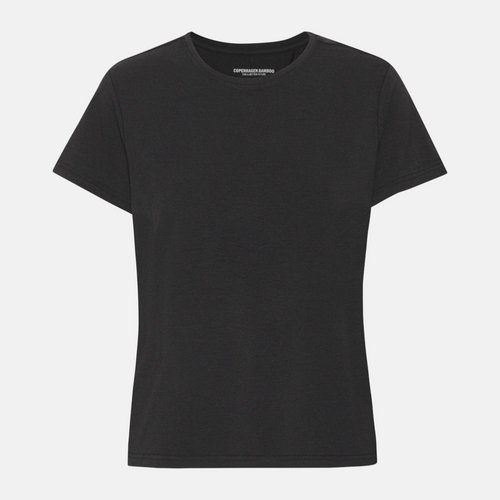
Hemp holds the fabric slightly away from the skin and lets air circulate freely, somewhat like linen tends to do in summer clothing. Bamboo viscose instead cools through direct contact with the skin. In dry heat hemp feels pleasant and airy, while bamboo performs better in humid heat. See bamboo t shirt for women.
Softness over time and use
Hemp starts rough and somewhat stiff, but gradually becomes soft after many washes and some use over the years. Bamboo viscose is soft from the very first day with no break in period needed at all. If you want comfort right away without waiting, the choice between the two is therefore fairly simple. See bamboo clothing for women.
Environmental profile briefly explained
Hemp is grown with relatively little water and without much spraying compared to many other crops grown in the fields. Bamboo viscose comes from a fast growing plant, but the actual processing into viscose is a chemical process that requires solvents. Both fibers therefore have advantages and drawbacks depending on what you value most.
Wrinkling and ironing
Hemp wrinkles quite a lot, roughly on par with linen, and therefore often needs ironing or steam to look neat and presentable. Bamboo viscose wrinkles noticeably less and usually hangs smooth, even straight out of the washing machine without any further treatment needed. This is a practical detail that can save time in a busy everyday routine.
Color and texture in the fabric
Hemp naturally has a slightly uneven, rustic texture that many people appreciate in clothing with an earthy expression and feel. Bamboo viscose has a completely even, glossy surface that takes color differently and often appears more uniform from piece to piece. The choice therefore also depends on which look you prefer in your wardrobe.
Weight and drape of the fabric
Hemp is relatively heavy and gives a fabric with good drape that holds its shape well even in loose cuts without hanging flat. Bamboo viscose is lighter and more fluid and sits closer to the body. For a loose shirt hemp works well, while bamboo suits closer fitting underwear and basics better overall.
Can the two be blended
Yes, and a blend of hemp and bamboo viscose often gives a fabric that is stronger than pure viscose and at the same time softer than pure hemp alone. Such blends are used especially for basics that need to withstand daily use, without fully compromising on comfort against the skin every day.
Frequently asked questions
Is hemp more environmentally friendly than bamboo
Hemp is grown with little water and without much spraying, but processing bamboo into viscose is a chemical process using solvents.
Does hemp wrinkle a lot
Yes, roughly like linen does. Bamboo viscose wrinkles noticeably less and hangs smoother after washing in the closet.
Can the two fibers be blended
Yes, and the blend gives a fabric that is stronger than pure viscose and softer than pure hemp alone.
You can find the full range at Bamboo-Clothing.com.