Bamboo viscose versus pima cotton
Short answer: Pima is cotton with extra long fibers, giving a softer and stronger fabric than regular cotton. Bamboo viscose is still smoother and cooler to wear against the skin.
What makes pima different
Fiber length decides how soft and strong a yarn becomes, and this is where pima differs from regular cotton. Pima has markedly longer fibers, so the yarn gets fewer prickly ends and is spun more evenly. This is why pima feels softer right from the first touch, without needing many washes first.
Where bamboo still wins
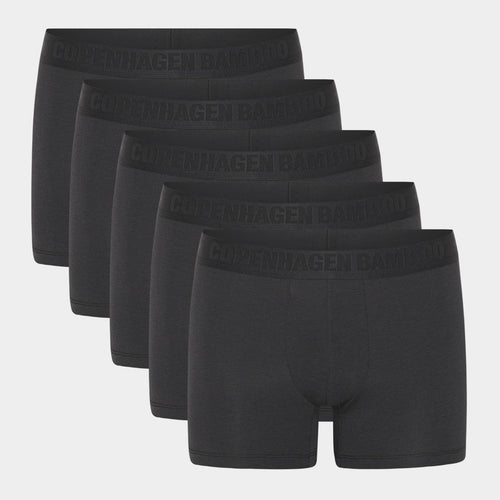
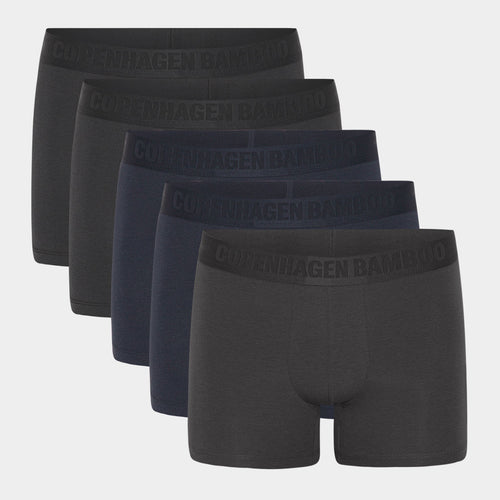
Bamboo viscose is a filament fiber in its base form and therefore has a completely smooth surface with no fiber ends poking out. It also carries heat away from the skin better than most cotton types can manage. On warm days and in underwear the difference is clear. See bamboo underwear for men for examples.
Where pima beats bamboo
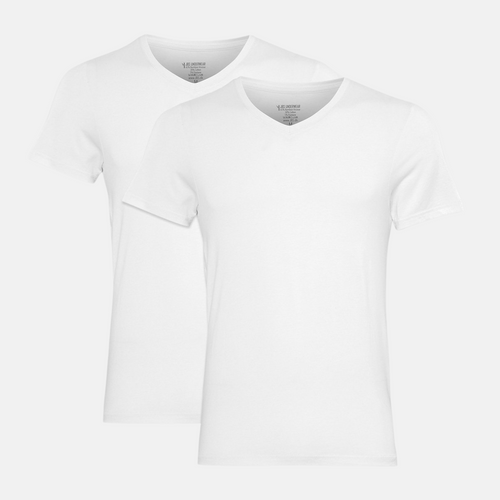
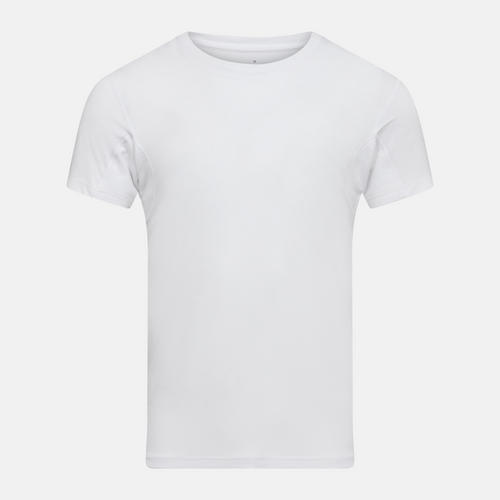
Pima is stronger in return, holds its shape better and survives more washes without turning thin. For a t shirt that should look good and stay the same for years, no matter how often it gets washed, pima is therefore a solid and sensible choice. See bamboo t shirts for men for matching styles.
Blends offer a bit of both
A fabric that combines bamboo viscose and cotton tries to gather softness from one and strength from the other fiber in the same yarn. Many everyday basics in the wardrobe are built exactly this way, because pure bamboo can wear out faster while pure cotton can feel stiffer. See bamboo clothing for men for more styles.
Price differences to know
Pima usually costs more than regular cotton, because the yield per plant is lower and the fiber is more sought after on the world market. Bamboo viscose is typically cheaper to source, which often shows in the final price of the garment. The price gap is worth knowing when comparing two otherwise similar items.
Washing and everyday use
Both fibers tolerate machine washing at low temperatures, but pima survives more washes without losing shape, while bamboo viscose can grow a little thinner over time. Turn the garment inside out before washing, and avoid high heat in the dryer, no matter which of the two fibers you have chosen to wear.
Breathability in daily wear
Both fabric types move moisture away from the skin, but each in its own way. Bamboo viscose draws moisture into the fiber itself, while pima channels it through the weave. In practice bamboo feels cooler in warm weather, while pima feels drier after an active day with a lot of movement and sweat.
Colorfastness over time
Pima often keeps its color better through many washes, because the long fibers bind dye more evenly than shorter cotton fibers do. Bamboo viscose can fade a bit faster, especially in dark colors like black and navy. Wash at low temperature and turn the garment inside out, and the color lasts longer either way.
What you should choose
If you want the softest and coolest fabric for everyday wear and underwear, bamboo viscose is the obvious choice. If a t shirt needs to keep its shape and look for years despite frequent washing, pima is better. Most wardrobes have room for both, depending on what the garment is meant for.
Frequently asked questions
Is pima more expensive than regular cotton
Yes, because the yield per plant is lower and the fiber is more sought after on the world market than regular cotton.
Can you feel the difference between pima and regular cotton
Yes, especially in a thin t shirt where the smooth surface is most noticeable right against the skin.
What feels softest of all
Bamboo viscose feels the smoothest to the touch, while pima feels a bit fuller and slightly warmer in everyday wear.
You can find the full range at Bamboo-Clothing.com.