Bamboo viscose versus merino wool
Short answer: Short answer: Merino keeps you warmer and smells the least. Bamboo viscose is softer on the skin, cools better in heat and usually costs less.
Warmth versus cooling
Merino wool holds onto warmth even when it is damp, which is why it is the standard choice for winter underwear in cold weather. Bamboo viscose carries warmth away from the body and is therefore better when it is warm indoors or outside, because it helps keep the skin dry and cool instead.
Odor over several days
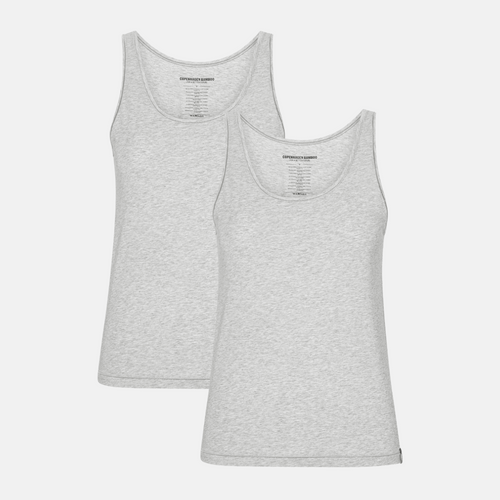
Merino can be worn for several days in a row without smelling, because the wool binds odor compounds in its fibers in a way most other materials do not. Bamboo viscose needs washing more often to stay fresh. For trips where you cannot wash often, that speaks in favor of merino. See bamboo undershirt for men .
The feel against the skin
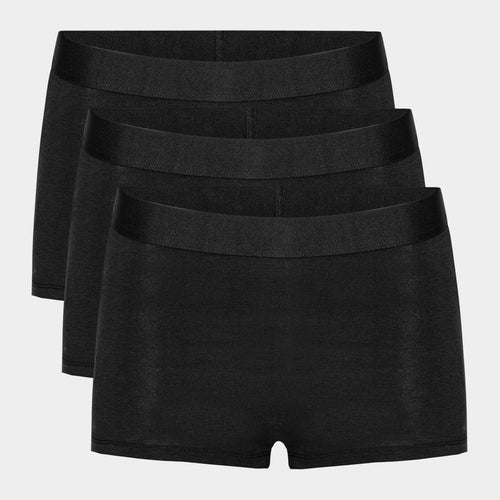
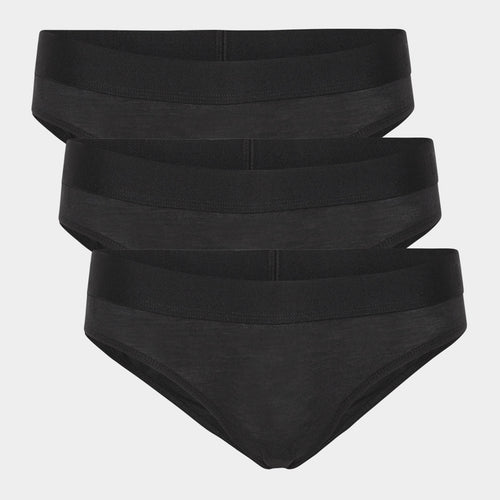
Bamboo viscose is smoother and softer and almost never scratches, no matter how sensitive the skin is. Merino can feel rough to some people, especially at the neck and on the underside of the arms, where the skin is thinnest. If your skin is sensitive, bamboo is often the safer choice. See bamboo underwear for women .
Care and price
Merino often requires wool wash at a low temperature and cannot handle a tumble dryer at all, which makes the washing more time consuming. Bamboo viscose can usually be washed at thirty degrees like almost every other garment in the closet. Merino typically costs more per piece, both to buy and in the time its care takes. See bamboo clothing for men .
Weight and bulk
Merino wool often takes up more space than bamboo viscose at the same warmth level, because the wool relies on pockets of air between the fibers to insulate. Bamboo viscose is thinner and takes up less room in a suitcase or drawer, which can be an advantage if you pack light or have limited space.
Allergy and sensitive skin
Some people react to wool with itching or redness, even with merino, which is finer than ordinary wool. Bamboo viscose triggers this reaction less often, since the fibers are smooth and do not have the same scales as wool fibers. If you are unsure, bamboo can be a good place to start.
Durability over time
Merino wool can pill and wear from friction, especially at the waistband and under the arms, where the fabric faces the most rubbing. Bamboo viscose holds its shape well, but can lose a little of its softness after many washes if it is washed too hot or tumble dried too often.
The price difference in practice
Over a year, bamboo viscose can be the cheaper choice, both because the fabric itself costs less and because it handles regular washing without special treatment. Merino can last longer in good condition if cared for properly, though, which can offset some of the price difference over several years.
What suits which activity
For sedentary work in a cold office, merino can be the better choice because of its warmth. On active days or in warm rooms, bamboo viscose is often more comfortable, because it does not hold onto warmth in the same way and feels lighter against the skin throughout the day.
Frequently asked questions
What is best for winter layers
Merino under a jacket in freezing weather, where warmth matters most. Bamboo works better as a layer indoors, where the temperature is more stable and mild.
What is best against night sweats
Bamboo viscose, because it carries moisture away from the skin and cools instead of holding onto warmth during the night.
Can they be worn together
Yes. Bamboo closest to the skin and merino over it is a good combination in cold weather, where one layer handles moisture and the other handles warmth.
You can find the full range at Bamboo-Clothing.com.