Bamboo viscose versus organic cotton
Short answer: Organic cotton is about how it is grown, not how the fabric feels. Bamboo viscose is softer and cooler, cotton is stronger and absorbs more.
What organic means
The label refers to how the cotton is grown, meaning without a range of selected pesticides and synthetic fertilizer in the field. The finished fiber behaves like ordinary cotton in the finished garment once it has been spun and woven together. So it is a difference in farming, not a material difference in the fiber itself.
How they behave in clothing
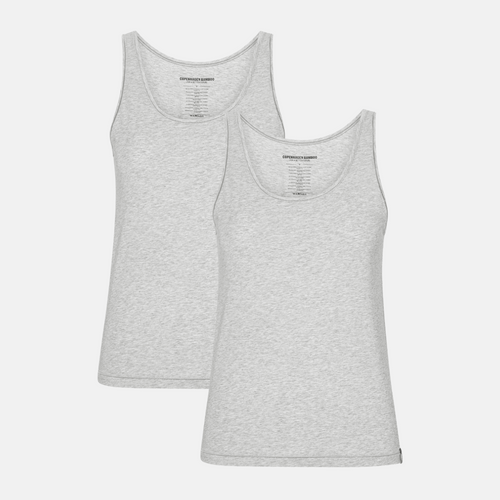
Cotton absorbs a lot of water and becomes heavier when wet, for example after rain or sweat during activity. Bamboo viscose also absorbs moisture, but releases it faster into the air around the body. That is why bamboo feels drier after an hour of sweating. See bamboo t shirts for men for examples of that feeling.
Strength and lifespan
Cotton is stronger, especially when wet, and can handle more hard washes at high temperature over the years of use. Bamboo viscose is weaker in water, which is why you should never wring it hard after washing it. See bamboo clothing for men for examples of clothing that still holds up well despite this.
What feels softest
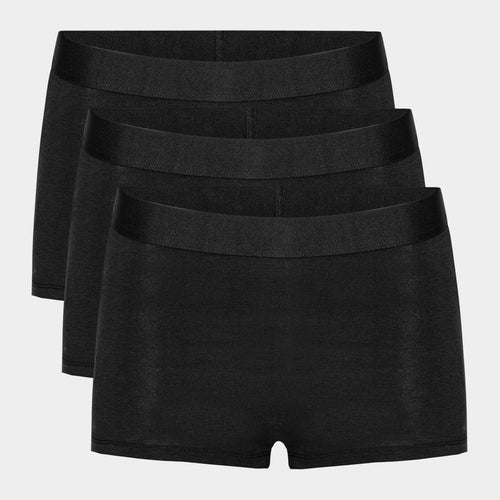
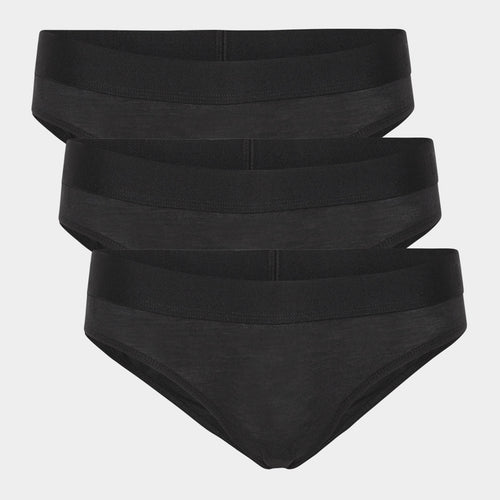
Bamboo viscose is smoother and has lower friction against the skin than even the best organic cotton available on the market today. Cotton becomes softer over time and many washes, but starts out rougher when brand new. For underwear close to the skin, bamboo wins for most people. See bamboo underwear for women for examples of that soft feeling.
Growing and water use
Cotton usually needs a lot of irrigation during growing, even in the organic version that avoids pesticides in the field. Bamboo typically grows fast without artificial irrigation in most climates where the plant is grown commercially at scale. The viscose process itself after harvest still uses water and chemicals, regardless of whether the raw material is bamboo or cotton.
Dyeing and finishing
Both cotton and bamboo viscose can be dyed in many shades and hold their color well through normal washing at thirty degrees. Organic cotton avoids certain chemicals during growing itself, but dyeing of the finished yarn usually follows the same methods for both fibers. Check the label to see the finishing and dyes used in each specific product you buy.
Price in practice
Organic cotton usually costs more than conventional cotton, because of lower yields and more labor needed during growing in the field. Bamboo viscose sits price wise somewhere between conventional and organic cotton in most comparable products across the range. The price always depends heavily on quality and weave of the finished fabric though, not only on the raw material.
Blends of the two fibers
Many fabrics blend cotton and bamboo viscose to combine the strength of cotton with the softness of bamboo viscose against the skin. The blend often holds its shape better than pure bamboo viscose alone and feels softer than pure cotton on its own. Read the care label to see the exact ratio between the two fibers in the specific product.
What to choose
Choose cotton or organic cotton for clothing that gets washed hard and often and needs to hold its shape for many years without issues. Choose bamboo viscose for layers close to the skin, where softness and a cooler feeling matter more than the last bit of extra strength that cotton naturally has when wet.
Frequently asked questions
Can bamboo be grown organically
Bamboo usually needs neither spraying nor artificial irrigation during the growing of the plant itself in the field. Certifications for viscose mostly concern the process after harvest though, not the growing of the bamboo plant itself.
Which one shrinks the most
They sit close together in shrinkage under normal use and washing conditions over time. Both shrink the most at too high a temperature and almost nothing at ordinary washing at thirty degrees.
What works best for towels
Cotton absorbs the most water and is therefore the classic choice for towels in most households around the world. Bamboo dries faster and feels softer, but usually absorbs slightly less water than comparable cotton in everyday use.
You can find the full range at Bamboo-Clothing.com.