Bamboo viscose versus silk
Short answer: Silk is lighter, warmer in winter and cooler in summer, but needs hand washing and costs markedly more. Bamboo viscose gives much of the same feeling at a fraction of the price.
Why they feel similar
Both fibers are smooth and have low friction against the skin, which is part of why bamboo viscose is often described as silky in feel. The difference shows up most clearly in weight, where silk is markedly lighter at the same coverage of fabric. Both fibers also carry a light sheen that sets them apart from cotton.
Temperature regulation
Silk regulates temperature better than almost any other natural material and works well in both cold and warm weather. Bamboo viscose cools well in warm weather, but warms less effectively when it is cold. For summer sleepwear the two fibers sit close together in how they feel against the skin.
Care is the big difference
Silk usually needs hand washing or professional cleaning, cannot handle heat, and stains easily from sweat and deodorant over time. Bamboo viscose goes straight into the machine at thirty degrees without trouble. That often decides the choice for most people who want everyday clothing without extra effort.
Durability in daily use
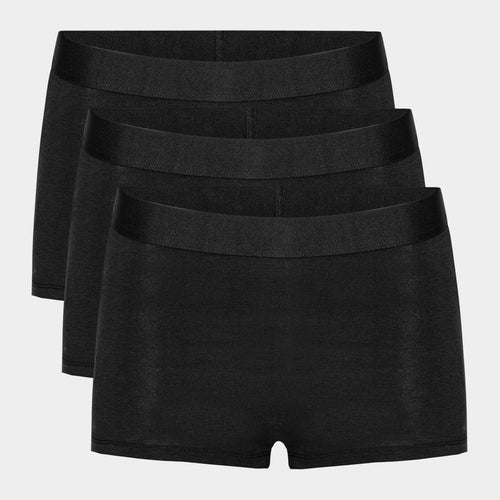
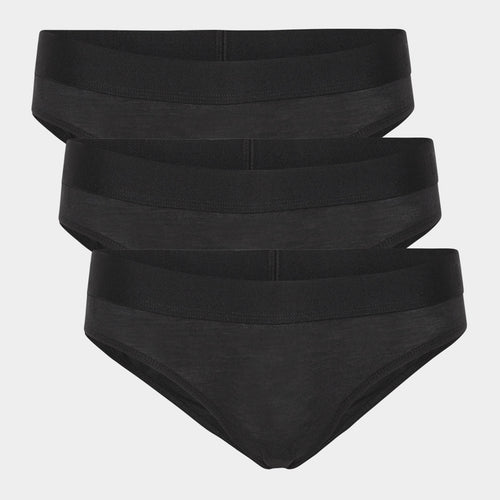
Silk wears out faster with daily use, especially under the arms where sweat and friction strain the fibers the most. Bamboo viscose survives more washes in everyday use without losing its shape or structure. See bamboo underwear for women for examples of clothing that handles daily use well.
Price in practice
Silk costs markedly more than bamboo viscose, both to buy and in ongoing care at the dry cleaner over the years. Bamboo viscose gives much of the same soft feeling at a far lower price. See bamboo sleepwear for women for examples of pricing in practice.
Weight and drape
Silk is markedly lighter than bamboo viscose at the same fabric thickness, which gives a different drape in dresses, for example. Bamboo viscose drapes heavier and softer, which many find comfortable close to the body. See bamboo nightgowns for women for an example of that softer drape.
Allergies and sensitive skin
Both fibers are usually gentle on sensitive skin, because the surface is smooth and does not rub the way rougher materials do. Some people still react to residue from the treatment of silk fibers. If you are ever in doubt about a skin reaction, talk to your doctor before switching materials.
Where each is used most
Silk is often used for finer garments like robes, underwear and special occasions where the feeling of luxury matters most. Bamboo viscose is used broadly in everyday clothing, sleepwear and underwear, because it handles washing and gets worn again and again without extra effort for care and cleaning.
What to choose
Choose silk if care and price do not matter and you want the most luxurious feeling against the skin for special occasions. Choose bamboo viscose if you want a soft and cooler feeling for everyday use that handles normal washing without effort and without high cleaning costs over time.
Frequently asked questions
Is bamboo viscose a silk alternative
For the feel, yes, in many cases the two fibers resemble each other surprisingly closely against the skin. For weight and temperature regulation, bamboo viscose does not quite match silk.
Can you wash silk in a machine
Only on a very gentle program and inside a wash bag, and even then there is some risk of damage. Hand washing is the safest option for most silk garments.
What costs the most to own
Silk, both in purchase price and in ongoing care at the dry cleaner over time. Bamboo viscose is markedly cheaper to keep and needs no special cleaning or treatment.
You can find the full range at Bamboo-Clothing.com.