Bamboo viscose versus tencel lyocell
Short answer: Lyocell is made in a closed loop and is stronger when wet. Bamboo viscose is softer and cheaper, and the difference on the skin is small.
The process is the main difference
Lyocell is made by dissolving wood pulp in a solvent that is recovered again and again within a closed loop system. Bamboo viscose is made using chemicals that must be cleaned out of the process and are not reused the same way. The difference lies in how each fiber is produced, not in how the finished fabric feels against the skin.
Strength and durability
Lyocell is markedly stronger when wet, so garments made from lyocell often survive more washes than comparable bamboo viscose. Bamboo viscose is weakest exactly in the wash, which is why you should never wring it hard. See bamboo clothing for women for examples of both fabrics used in everyday pieces.
How it feels on the skin
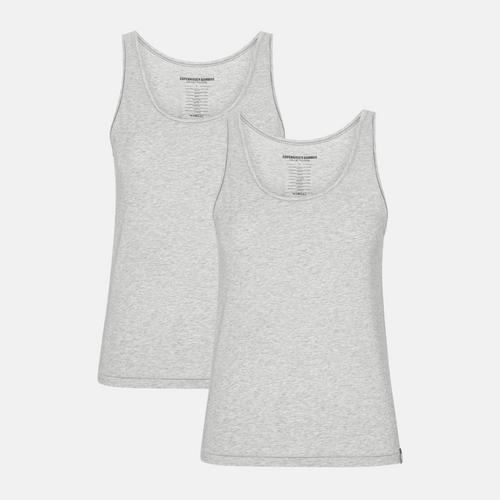
Bamboo viscose feels softer and a touch cooler against the skin, while lyocell is smooth and light with slightly more firmness to the touch. The difference is largest when comparing pure qualities, since in blends with cotton the two fibers resemble each other even more. See bamboo t shirt for women for an example of the feel.
Shrinkage and shape
Lyocell shrinks less than bamboo viscose because the fiber is stronger and more stable in water. Bamboo viscose can give a little at high temperature, but holds its shape well when washed normally at thirty degrees without spinning hard. Both fibers drape softly, though lyocell keeps a touch more tension in the fabric over time.
Breathability and moisture
Both fibers absorb moisture well and feel dry against the skin compared with synthetic fabrics like polyester. Lyocell moves moisture on to the air a little faster, while bamboo viscose holds slightly more moisture within the fiber itself before releasing it. On warm nights the difference is hard for most people to notice in practice.
Price and range
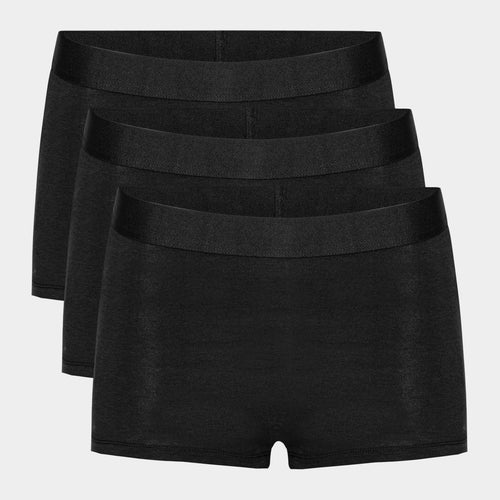
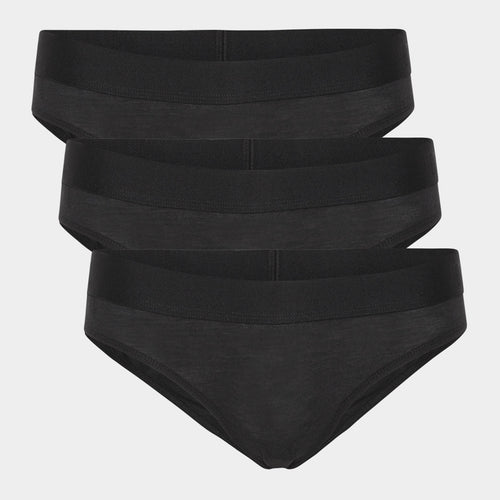
Lyocell typically costs more per garment, because the process requires more expensive equipment and the solvent must be recovered continuously. Bamboo viscose comes in a wider range of underwear and sleepwear at a lower price. See bamboo underwear for women for examples of pricing across the everyday range of the collection.
Production in practice
The closed loop in lyocell production means that a large share of the solvent is reused again and again within the same factory. The viscose process uses chemicals that must be cleaned from the wastewater, which places different demands on the treatment along the way. Both processes need wood or bamboo as a raw material and several stages of processing.
When lyocell is the better choice
Choose lyocell for clothing that needs to hold its shape through many years and many washes, such as pants and shirts worn often. The fiber's extra strength and stability pay off especially in garments that see heavy use and get washed frequently at higher temperatures than usual.
When bamboo viscose is the better choice
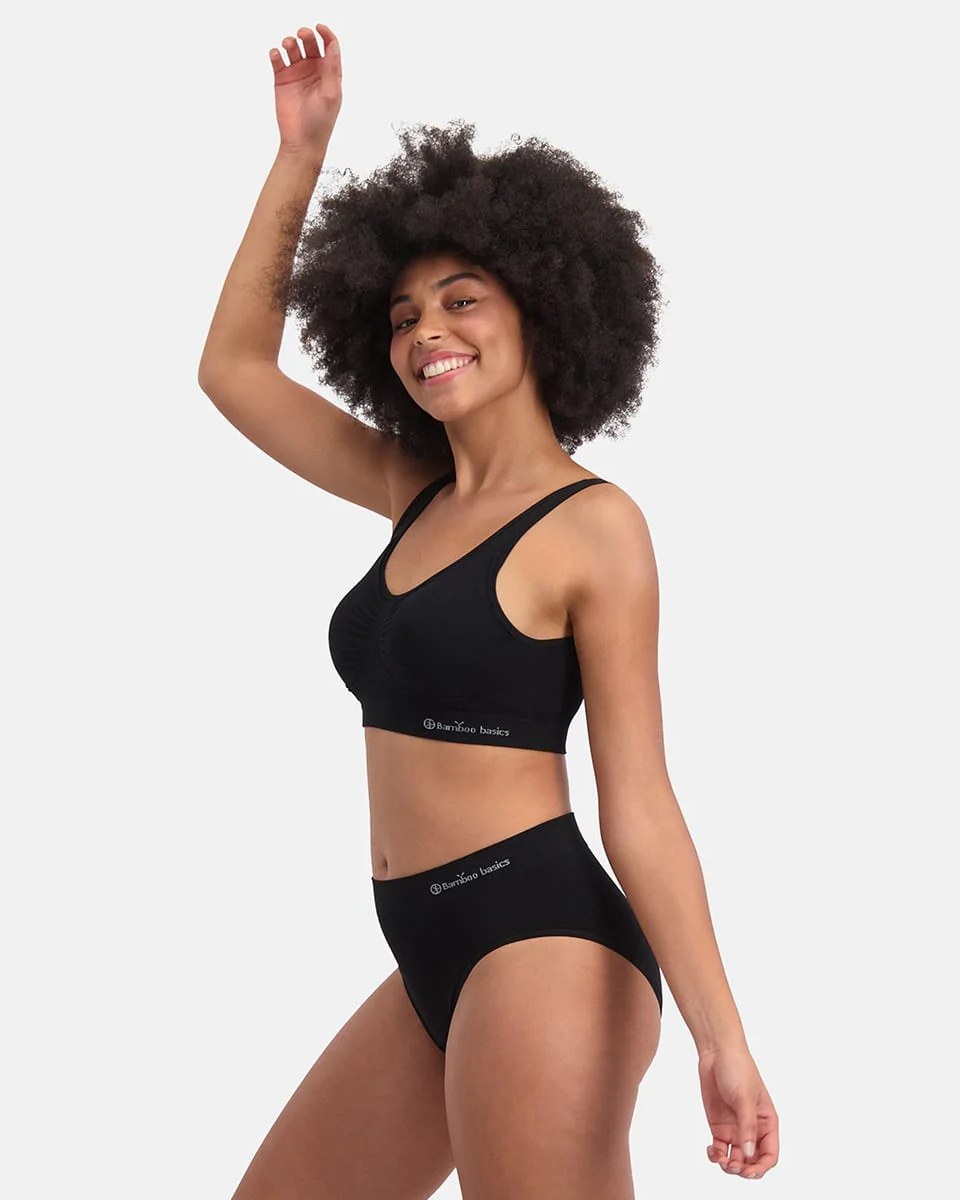
Choose bamboo viscose for sleepwear and underwear where softness and a cooler feeling matter more than extreme strength. See bamboo sleepwear for women for examples of how the fiber is used close to the body at night, where comfort outweighs the last bit of extra strength.
Frequently asked questions
Are tencel and lyocell the same thing
Tencel is a brand name for a specific lyocell fiber made by one producer. Lyocell is the fiber type itself, the name used broadly for all fibers made using the same method.
Can you see the difference in a garment
Rarely, without reading the label. The two fibers look similar in both sheen and drape, and only a textile test can reliably reveal the difference between them.
Which one shrinks least
Lyocell, because the fiber is stronger and more stable in water than bamboo viscose. The difference shows up most clearly after many washes at a higher temperature than usual.
You can find the full range at Bamboo-Clothing.com.