Bamboo Viscose vs. Cotton Jersey – Fabric Tech for Beginners
Short answer: Bamboo viscose and cotton jersey look alike, but they behave differently. The difference is mainly about moisture: bamboo viscose moves sweat away and feels cooler and softer, while cotton jersey soaks up moisture and holds on to it. For underwear and basics close to the skin, many people therefore choose bamboo viscose.
What are the two fabrics made of
Cotton jersey is knitted from natural cotton fibres, just as they are harvested from the plant. Bamboo viscose is made chemically instead: the bamboo is dissolved and spun into new, very smooth fibres. Both are often knitted as jersey, so the difference lies in the fibres, not the knitting.
What does jersey mean
Jersey is not a material but a way of knitting. The fabric has smooth stitches on the front and small loops on the back, which gives it natural stretch. That is why jersey is used for T-shirts, underwear and tops, whether the yarn is cotton, bamboo viscose or a blend.
Surface and drape
Cotton fibres are short and slightly uneven, so the fabric gets a matte surface and stands a little away from the body. Bamboo viscose consists of long, smooth fibres that give a light sheen and a soft, heavy drape. The fabric settles around the body and feels silky against the skin.
Moisture and comfort
The biggest technical difference is moisture handling. Cotton can absorb a lot of liquid but releases it slowly, so the fabric feels clammy. Bamboo viscose moves moisture out to the surface, where it can evaporate, which is why the fabric feels dry for longer on a warm day or a busy one.
Temperature
Because bamboo viscose handles moisture well, the fabric often feels cool on warm days. In winter it can also sit comfortably close as a base layer. Cotton, on the other hand, can turn cold and wet if you sweat, because the moisture stays in the fabric instead of evaporating.
Durability and shape
Cotton jersey is sturdy and tolerates high temperatures, but it can lose its shape at the neckline and sleeves over time. Bamboo viscose with a little elastane often keeps its shape well, but the fibres are weaker when wet. That is why bamboo should be treated more gently when washing and drying.
Washing and care
Wash bamboo viscose at 30 to 40 degrees on a gentle programme and skip the tumble dryer, as heat can make the fabric shrink. Cotton jersey often tolerates more heat, but it also tends to shrink in the dryer. For both fabrics, air drying protects fit and colour.
When cotton suits best
Cotton jersey is a good choice for clothes that should have a firm shape and a more matte surface, and for items washed at high temperatures. Many people also like the slightly dry, classic feel of cotton in a loose weekend T-shirt or a thick sweatshirt.
When bamboo suits best
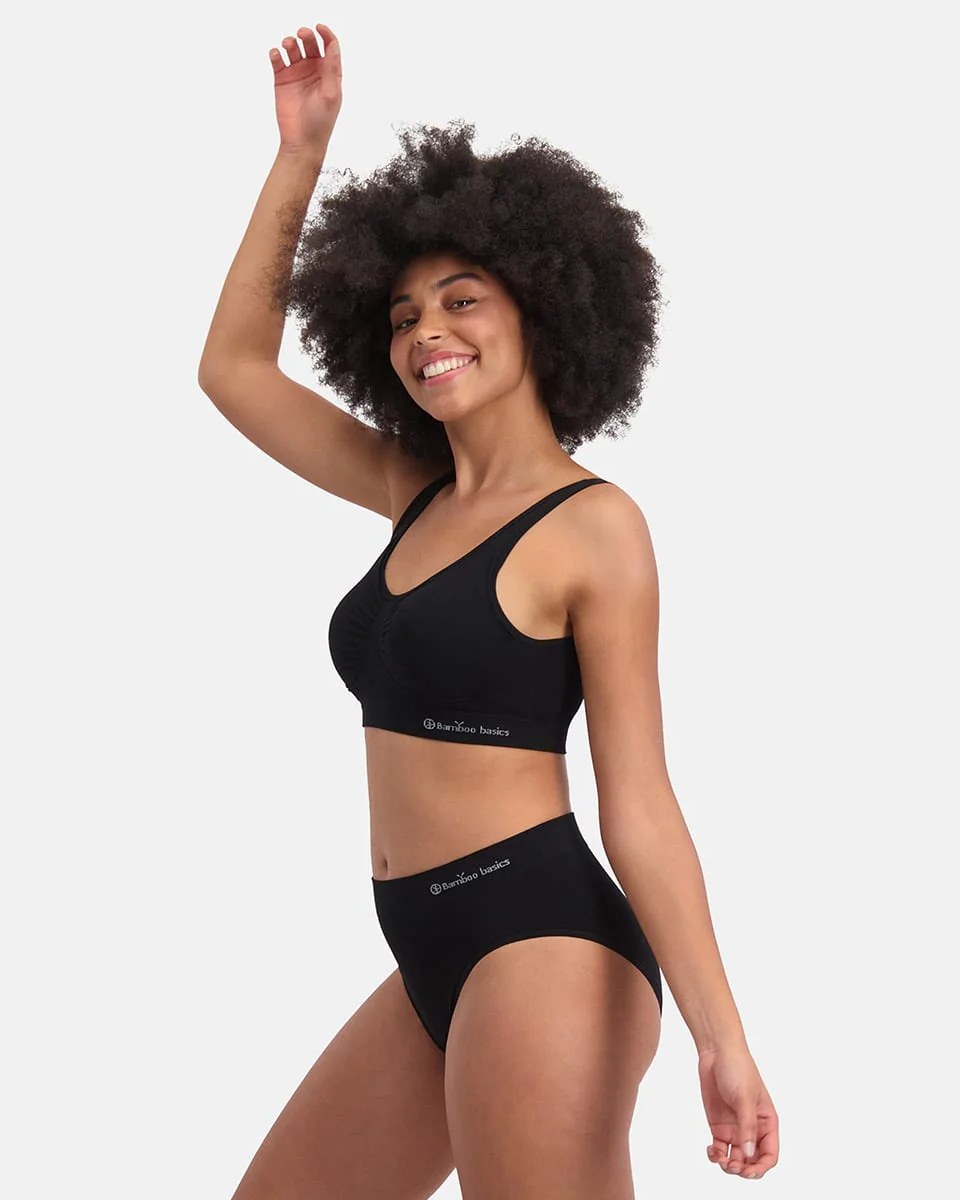
Bamboo viscose is a natural fit for what lies close to the skin for many hours: underwear, basics, nightwear and fitted T-shirts. This is where you notice the smooth surface and good moisture transport the most, because the fabric does not turn clammy or rub against the skin.
Try the difference yourself
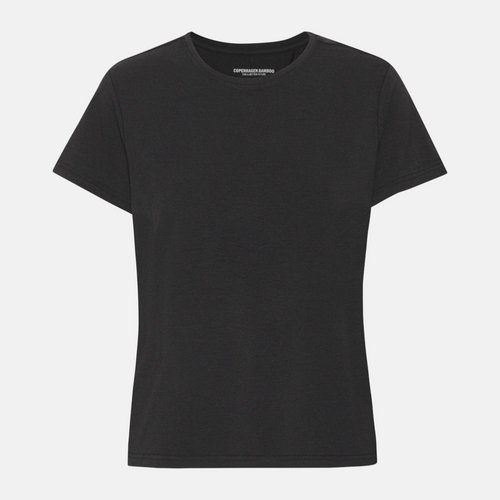
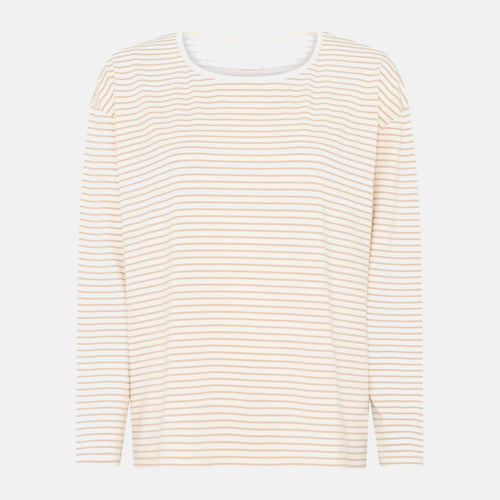
The best way to understand the fabrics is to feel them side by side. Take a look at bamboo T-shirts for women and bamboo T-shirts for men, or browse the full range of bamboo clothing for women and bamboo clothing for men. See also temperature regulation and bamboo T-shirt vs. cotton T-shirt.
Frequently asked questions
Is bamboo viscose softer than cotton?
Most people find it is, because bamboo viscose has long, smooth fibres with fewer loose ends. That gives less friction against the skin and a softer, heavier drape.
Is bamboo or cotton better when you sweat?
Bamboo viscose moves moisture away from the skin so it can evaporate. Cotton absorbs more moisture and holds it longer, so the fabric feels clammy.
Does bamboo viscose shrink more than cotton?
Both can shrink with high heat. Bamboo viscose is most vulnerable in the tumble dryer, so wash at 30 to 40 degrees and let the clothes air dry to keep the fit.
You can find the full range at Bamboo-Clothing.com.