Bamboo vs. Modal and Tencel – The Difference Between These Soft Fibers
Short answer: Bamboo viscose, modal and Tencel are all regenerated cellulose fibres. The difference lies in the raw material and in how the cellulose is dissolved. Day to day the difference shows most in drape, wet strength and price, and least in softness, where all three are close together.
What the three have in common
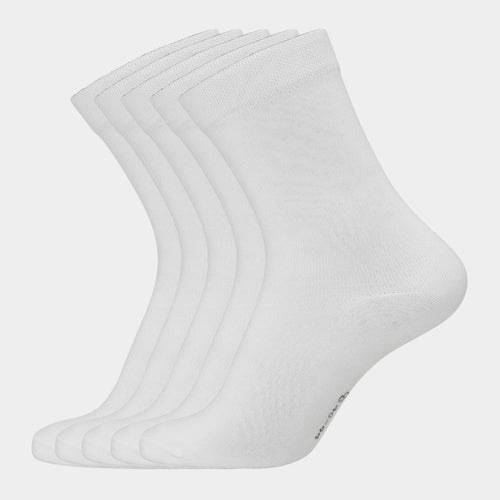
All three start as plant cellulose that is dissolved and spun back into fibres. So they are not natural fibres like cotton and wool, but not synthetic like polyester either. What they share is a smooth fibre surface with no sharp ends, which gives the soft feel, and high moisture absorption, which is why they work better against the skin than synthetic materials. See bamboo underwear for women.
Bamboo viscose
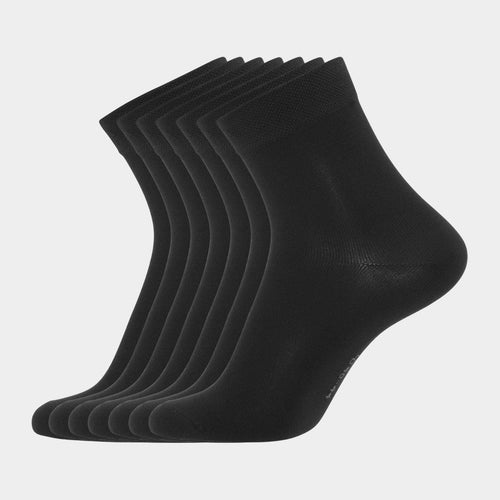
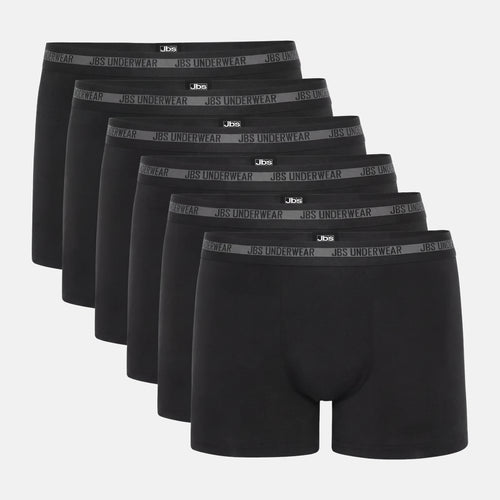
Bamboo viscose uses bamboo as the raw material and the classic viscose process to dissolve the cellulose. The result is the softest and most fluid of the three, which is why it works so well in underwear and bedding, where the fabric should fall down the body. The weakness is that the fibre is weakest when wet, so it must not be wrung hard. See bamboo underwear for men.
Modal
Modal usually uses beech wood as the raw material and a modified viscose process that gives a fibre with higher strength, including when wet. That makes modal more robust in the wash and slightly less fluid. In practice it resembles bamboo viscose so closely that the two are often blended in the same fabric, to get the softness of one and the strength of the other. The blend is listed in percentages on every item. A blend with a few per cent elastane is also common and necessary if the garment is to follow the body.
Tencel
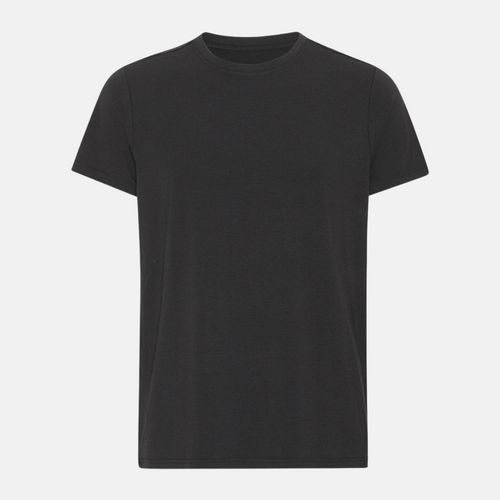
Tencel is a brand name for lyocell, where the solvent is milder and is reused in a closed loop. The fibre is the strongest of the three, including wet, and it is slightly smoother and cooler to the touch. The price is higher, and the drape is a shade stiffer than bamboo viscose. In t-shirts and tops that difference is clearly noticeable. See bamboo t-shirt for women and bamboo t-shirts for men.
What to choose
For what sits close to the skin all day, choose bamboo viscose for the softness and the drape. For what gets washed hard and often, modal or lyocell is more robust. The same washing rules apply to all three: thirty degrees, mild detergent, no fabric softener and no high heat. The full range sits under bamboo for women and bamboo for men. See also bamboo and temperature regulation and bamboo and the environment.
Frequently asked questions
Are bamboo viscose and modal the same
No, but they are closely related. Both are viscose fibres, but modal uses a modified process that gives higher strength, especially when wet.
What is the difference between viscose and lyocell
The solvent. In lyocell it is milder and is reused in a closed loop, while the viscose process uses harsher chemistry.
Which is the softest
Bamboo viscose has the softest drape of the three. The difference is small, and day to day the price and the strength show more clearly than the softness.
You can find the full range at Bamboo-Clothing.com.