What Does OEKO-TEX Standard 100 Mean? A Guide to Certified Bamboo Clothing
Short answer: OEKO-TEX Standard 100 means the finished fabric has been tested for harmful substances. It says something about what goes against your skin, and nothing about how the factory handles its wastewater. That is an important difference, because the two are often confused.
What the label actually covers
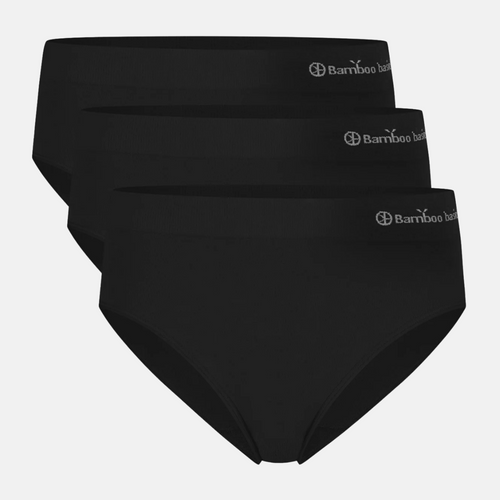
The standard tests the finished textile for a long list of substances: dye residues, heavy metals, formaldehyde, plasticisers and pesticide residues. Every part of the item is tested, including thread, buttons and printed label, and the limits are strictest where the fabric touches the skin most. If the item fails, it does not get the label. That is why it is more relevant for underwear and bedding than for a jacket. See bamboo underwear for women and bamboo underwear for men.
What the label does not cover
The standard says nothing about how the fibre was made, how much water was used, or whether the chemicals in production were captured. It says nothing about working conditions either. That is not a flaw in the label but a misunderstanding of what it is for: it is a product safety test and not an environmental label. Confuse the two and you end up thinking you have an answer to a question you never asked.
Why it matters for bamboo viscose
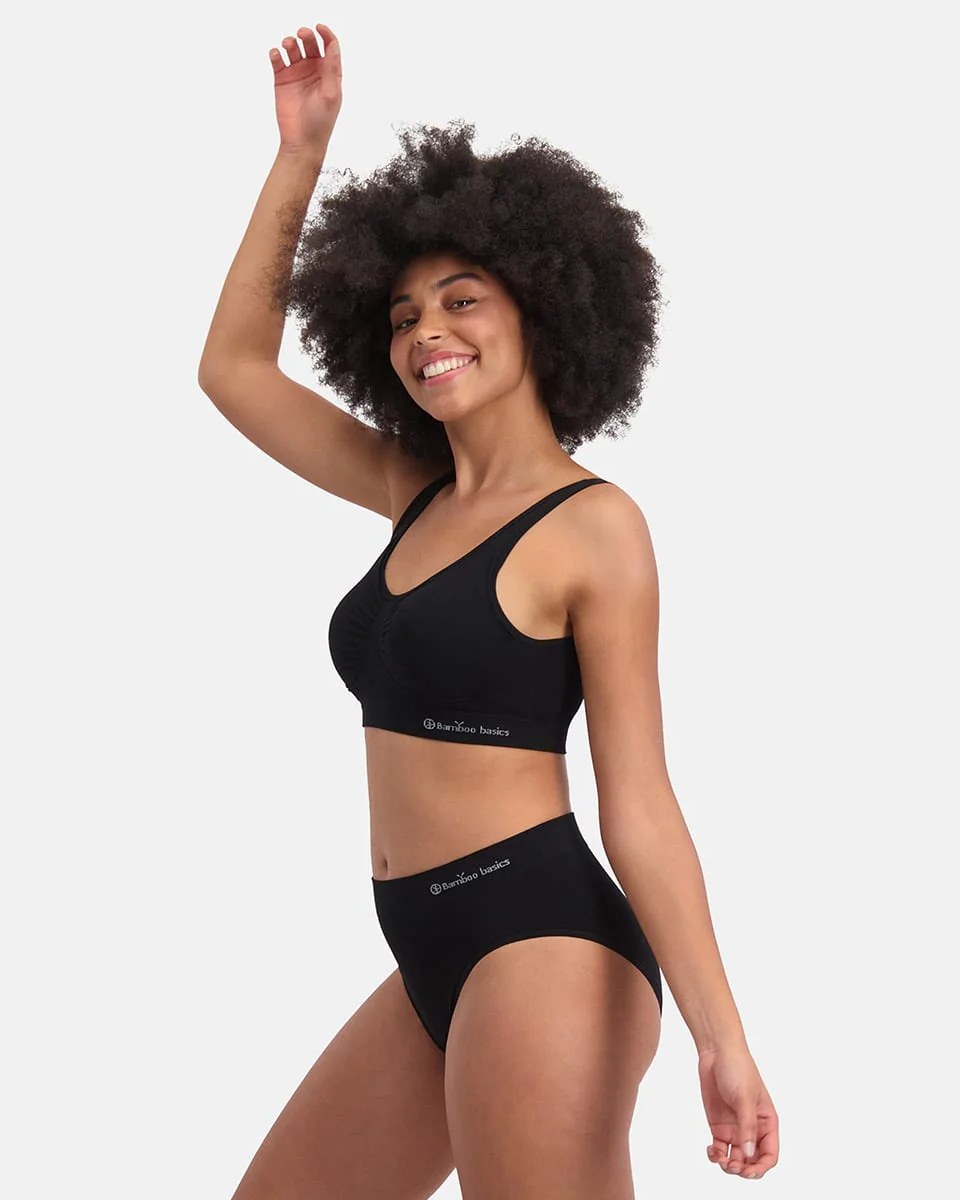
Bamboo viscose is made by dissolving cellulose chemically, so the question of residues in the finished fabric is a fair one to ask. That is exactly where the label gives a concrete answer: the finished fabric has been tested. All our items are OEKO-TEX Standard 100 certified, and that includes the brands we carry, such as Bamboo Basics and Boody. The fabric composition is listed on every item.
How to read a product description
Look for three things: what the fabric consists of in percentages, which certification is named, and how it should be washed. If it lists a blend with elastane, that is normal and necessary for the fit. If it says nothing about the material, that is the missing information, not the certification. The full range sits under bamboo for women and bamboo for men.
Washing and skin contact
Wash new clothing before you wear it. That removes the dust and the loose dye particles that always sit in a new fabric after transport, and those are a bigger source of irritation than any residue in the fabric itself. Use a mild detergent without perfume, and skip the softener, which is both a source of perfume and a way to close off the moisture transport. Thirty degrees is enough. See also guide to bamboo and the environment and bamboo clothing for sensitive skin.
Frequently asked questions
Is OEKO-TEX an environmental label
No. It is a test of the finished fabric for harmful substances. It says nothing about water use or how the factory treats its wastewater.
What is tested for
Dye residues, heavy metals, formaldehyde and pesticide residues among others. The limits are strictest for items with the most skin contact.
Should new clothing be washed before use
Yes. It removes dust and loose dye particles from transport, and those are a bigger source of skin irritation than the fabric itself.
See our range of Copenhagen Bamboo.