Breathability and what the word actually covers
Short answer: Short answer: Breathability is really two things, how much air can pass through the fabric, and how well the fabric moves moisture away from skin. The two do not always go together.
Air permeability comes down to construction
A loosely woven or knitted fabric lets air pass straight through the structure itself and cools the body by carrying warm air away from skin. A tight fabric does not, no matter which fiber it is made from. The construction, meaning how closely stitches or threads sit together, matters more here than the fiber alone.
Moisture wicking comes down to the fiber
The other half of breathability is about moving sweat away from skin and out into the air. Here the fiber matters most. Bamboo viscose absorbs moisture inside the fiber and releases it into the air over time, while polyester instead carries moisture along the surface from thread to thread. See bamboo underwear for women.
Why a garment can be one and not the other
A tightly knit bamboo fabric can wick moisture well and still feel warm to wear, because air does not escape easily through the structure. A loosely woven fabric in a different fiber can do the opposite, feeling cool without being especially good at moving moisture away from skin at all.
Why it is worth checking both
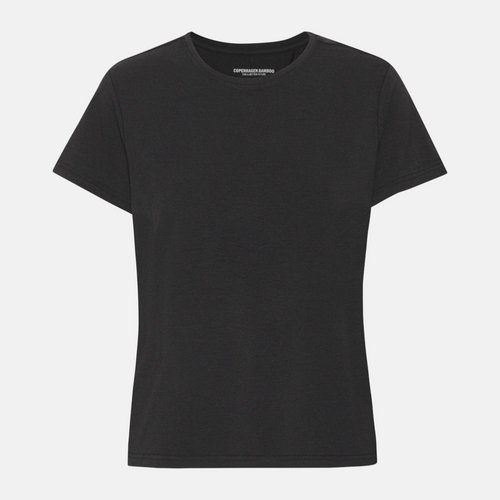
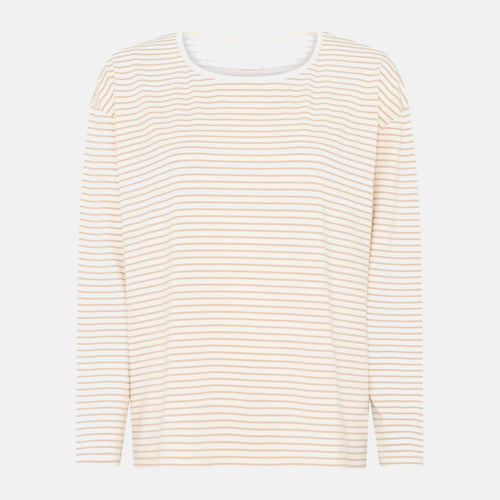
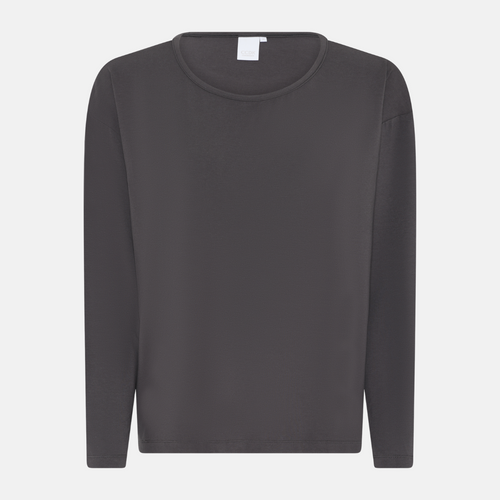
Because the two properties do not always come together, it is worth looking at both fiber and density when choosing clothing for a specific purpose. See bamboo t-shirt for women and bamboo clothing for women for examples where both properties work together well.
How season and activity change what matters most
In summer and during high activity, air permeability matters most, because the body needs to shed excess heat. In winter and everyday wear, moisture wicking often matters more, because you sweat heavily less often but still want to avoid moisture building up and feeling cold and uncomfortable against skin over time.
What happens when a fabric is too breathable
In cold weather, a fabric that is very breathable in terms of air permeability can actually feel uncomfortable, because it pulls heat away from the body faster than the body can replace it. That is why tight knits are often preferred for winter garments, while loose weaves and knits are more common in summer clothing meant for warm, humid conditions.
How to read breathability on a product
Look at both the fiber listed and the image or description of knit density when assessing a garment. A mention of tight knit in the description often means less air permeability, while words like light or airy usually point the other way. See bamboo underwear for women for a concrete example of that.
Why bamboo viscose is often called breathable
Bamboo viscose is often called breathable because the fiber is good at moisture wicking, but that does not automatically say anything about the air permeability of the specific garment. It still depends on how tightly that particular fabric is knitted or woven, so it is worth checking both properties each time you choose a new garment.
Frequently asked questions
Is bamboo viscose breathable
For moisture wicking, yes, because the fiber absorbs and releases moisture effectively. For air permeability, it depends entirely on how tightly that particular fabric is knitted or woven in the specific garment.
What is most breathable in summer
A loosely woven fabric in a fiber that also absorbs moisture well, such as linen or a light, loosely knit bamboo fabric, combines both properties best in warm weather.
Can a fabric be too breathable
In cold weather, yes. A very air permeable fabric can pull heat away from the body faster than the body can keep up, which ends up feeling uncomfortable rather than pleasant.
You can find the full range at Bamboo-Clothing.com.