Moisture transport in fabric measured in numbers
Short answer: Short answer: Moisture wicking is about how fast fabric moves sweat away from skin and releases it into the air. Cellulose fibers absorb the moisture, synthetic fibers channel it along.
The two basic ways of moving moisture
Bamboo viscose and cotton absorb moisture inside the fiber itself, while polyester absorbs almost nothing but instead carries water along the surface from thread to thread. That is why bamboo feels drier right against skin the moment you sweat, while polyester instead dries the surface faster once activity has stopped for a while.
What labs actually measure
Labs measure how much water a fiber can absorb as a percentage of its own weight, and how fast a fabric spreads a drop of water across its surface. Bamboo viscose typically ranks high on absorption and mid range on spreading speed. See bamboo underwear for women for close fitting garments with that property.
Why the numbers do not tell the whole story
Two fabrics can share the same lab number and still feel different on skin, because knit density, garment fit and how snugly a piece sits also shape the actual experience. The lab figures are therefore a useful starting point, but the final feeling also depends on how the garment was cut and sewn together.
What it means for everyday wear and underwear
For everyday wear and underwear, high absorption usually wins, because skin stays dry without the moisture feeling like a cold film against it. Bamboo viscose is therefore a natural choice for garments worn close to the body for large parts of the day, where comfort matters more than fast evaporation during intense activity.
What it means for hard training
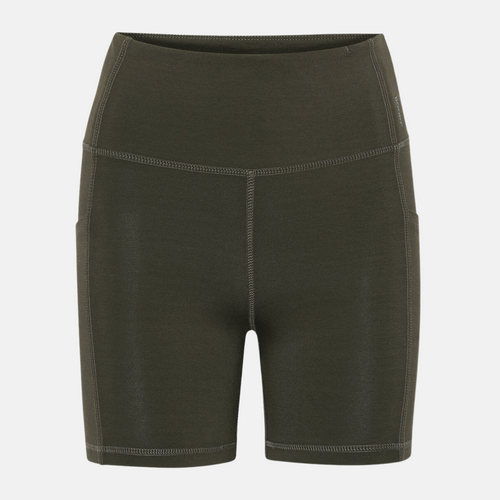
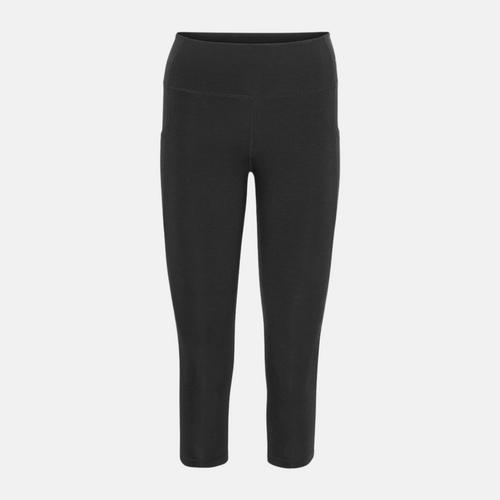
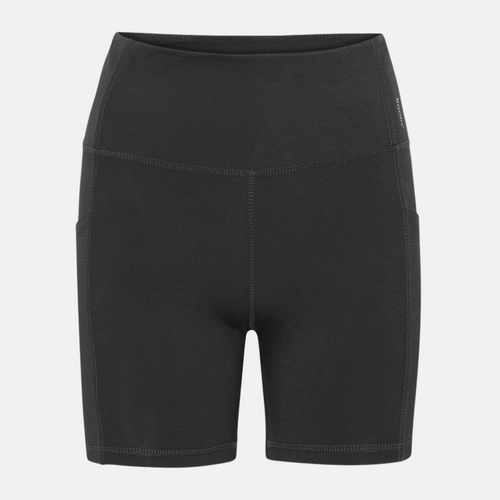
For hard, longer lasting training, fast evaporation wins instead, because the body needs continuous cooling through sweat while moving. That is why the two fiber types are used in practice for different purposes. See bamboo training clothes for women for garments suited specifically to that kind of activity.
Why cotton feels heavy after sweating
Cotton absorbs about as much water as bamboo viscose, but holds on to it far longer because the fiber does not release moisture into the air as effectively. That is why a soaked cotton shirt often feels heavy and clammy for the rest of the day, while a bamboo viscose shirt gradually dries out and feels lighter after the same amount of sweat.
How knit density affects the moisture feeling
A tightly knit fabric can hold on to moisture longer because air has a harder time reaching the fiber to support evaporation. A more loosely knit fabric made from the same fiber lets moisture escape into the air faster. See bamboo t-shirts for men for examples where the knit type is chosen for exactly that purpose.
When to choose synthetic over cellulose
If the goal is very intense training in warm weather, where evaporation matters most for comfort, synthetic fiber can have an edge. For lighter activity, everyday wear and sleep, bamboo viscose is often more comfortable, because it keeps skin dry without the cool, clammy feeling pure synthetic fabric can develop after a while.
Frequently asked questions
Is bamboo viscose better than cotton for sweat
It releases moisture into the air faster than cotton does, so it feels drier after about an hour of wear, even though both fibers absorb roughly the same amount of water at the start of activity.
Why does cotton feel heavy and clammy after sweating
Because the fiber absorbs a lot of water and holds on to it far longer than it releases into the air, so the fabric stays damp and heavy for a long time after activity ends.
Does training wear always have to be synthetic to work well
No. For light to moderate training bamboo viscose feels more comfortable against skin and usually smells less, while synthetic fabric wins mainly during very intense, sweaty activity.
You can find the full range at Bamboo-Clothing.com.