Chemicals in textiles and what the rules say
Short answer: Textiles sold in the EU fall under the chemicals rules, which restrict a range of substances. If you want extra assurance, OEKO-TEX Standard 100 is the most widespread label, because it tests the finished product.
The rules apply to all products
The EU chemicals rules, known as REACH, restrict a range of substances in consumer products, including clothing. This applies wherever the garment was made, as long as it is sold in the EU. Responsibility lies with whoever places the product on the market. The rules form a shared baseline.
Why chemicals are used
Chemistry is part of almost every step, from making the fibre to dyeing and finishing the fabric. Dyes, softeners and processing aids are entirely normal. The point is not that clothing should be free of chemistry, but that substances left in the finished product stay below set limits.
OEKO-TEX goes further
The label tests the finished product for a wide range of substances and has limits stricter than the legal requirements on several points. All parts are tested, including thread, elastic and buttons. That gives extra assurance beyond what the law requires. Read more in what does OEKO-TEX Standard 100 mean.
Where it matters most
The closer clothing sits to the skin, and the longer it is worn, the more it matters. Underwear, bedding and nightwear are where people look most for a label. If you want to prioritise, it makes sense to start there rather than checking every item in the wardrobe.
See the certified products
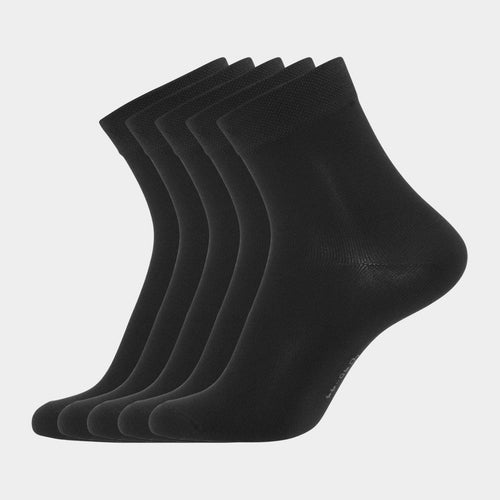
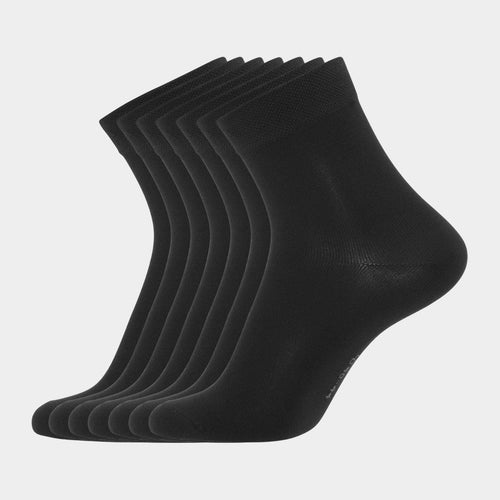
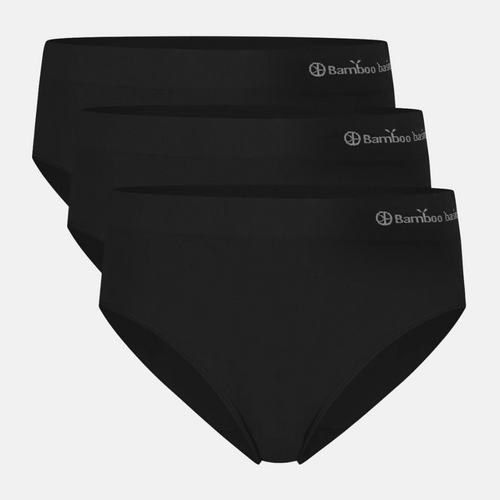
Searching for the label product by product can take time. The certified products are therefore gathered in one place, so you can quickly find underwear, socks and other items with OEKO-TEX Standard 100. See the range in OEKO-TEX Standard 100 certified products.
Wash new clothes
Whatever the label, it is a good habit to wash new clothes before first use. Washing removes residues from production, transport and storage, and the fabric often becomes softer. Wash at 40 degrees with a mild detergent. Read more in should new clothes be washed before use.
FSC is about the raw material
FSC is a different kind of label. It says something about the forestry behind the raw material, not about chemistry in the finished fabric. The two labels cover different parts of the chain and can easily appear on the same product. See what does FSC mean.
Smell from new clothes
New clothes can have a faint smell from production and packaging. That is not in itself a sign of a problem, but the smell should go after the first wash. If it does not, or if you feel discomfort when wearing the garment, contact the store.
Sensitive skin
If you have sensitive skin, choosing certified products and washing them before use can give peace of mind. The label is not a guarantee against reactions, because skin reacts differently. If you have discomfort that does not go away, talk to your doctor.
In short
All clothing sold in the EU must meet the same chemicals rules. OEKO-TEX Standard 100 is an extra layer where the finished product is tested against stricter limits. To prioritise, start with clothing worn close to the skin, and always wash new clothes before use.
Frequently asked questions
Is clothing without OEKO-TEX dangerous?
No, not in itself. All clothing sold in the EU must meet the chemicals rules. OEKO-TEX is an extra test of the finished product with stricter limits on several points.
What does OEKO-TEX Standard 100 test?
The label tests the finished product for a wide range of substances, and every part of the product is included, such as thread, elastic and buttons, before it is certified.
Should certified clothing also be washed before use?
Yes, it is still a good habit. Washing removes residues from transport and storage, and the fabric often becomes softer and more comfortable from day one.
You can find the full range at Bamboo-Clothing.com.