Clothing for a day at home with a fever
Short answer: With a fever you swing between freezing and sweating. A material that moves moisture away makes both easier to bear than a thick layer, and you avoid waking up soaked in the middle of the night.
Shifting temperature
Fever means alternating chills and drenching sweats. A thick layer only helps in one direction, so you end up either freezing or lying soaked under the duvet. A thin material that moves moisture away from the skin helps in both situations, whichever way the temperature swings through the day.
Moisture close to the body
When the body sweats to shed heat, that moisture sits close to the skin in ordinary cotton nightwear. See bamboo nightwear for women, where the fabric carries moisture onward instead of holding it. The skin feels less clammy as a result, even when you lie still for hours under the duvet.
Change once you have sweated through
Damp clothing against the skin cools, even when the room is warm. If you have sweated through your nightwear, change it, even in the middle of the night if needed. See bamboo nightwear for men, thin enough to keep two sets ready so a change does not feel like a big task.
The bedding too
A soaked sheet is worse than soaked nightwear, simply because there is more fabric holding the moisture. See bamboo bedding, where the same moisture management applies across the whole bed. Change the sheet along with the nightwear if you have sweated heavily during the night or through the day.
Loose rather than tight
Tight waistbands and sleeves that sit close can feel uncomfortable when the skin is already sore and warm. Choose looser styles without hard seams so nothing chafes while you rest for hours at a time. It also makes it easier to pull clothing off if you get too warm.
Socks
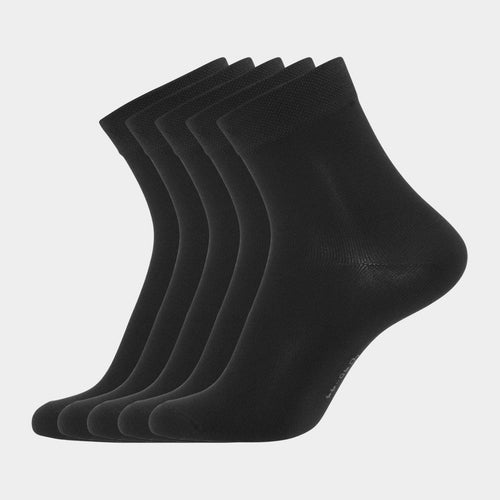
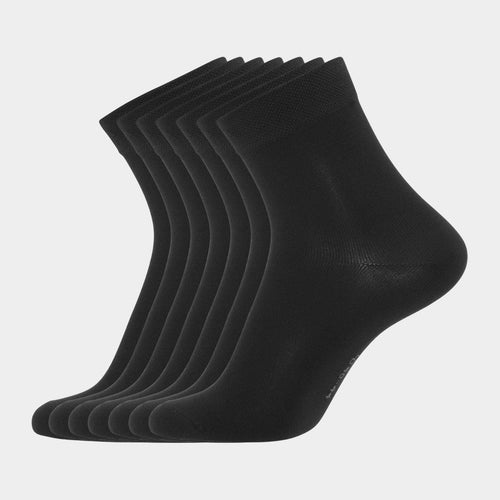
Feet get cold when you lie still in bed for long stretches. A pair of thin socks holds warmth without gripping at the ankle. See all bamboo socks for women, light enough to wear under the duvet without feeling too warm or too bulky against the skin.
Keep the bedroom cool
A bedroom that is too warm makes the sweating worse, while one that is too cold makes the chills worse. Something in between, around 18 degrees, makes it easier for the fabric to do its job. Air the room briefly a few times a day, even while you are ill and resting.
Wash warmer afterwards
After an infection in the household, a 60 degree wash is justified for nightwear and bedding that has been worn close to the skin during the fever. See washing and care for the right temperatures and settings, so the fabric stays soft even after several hot washes in a row.
Rest in what you are wearing
Choose clothing you can actually lie still in for many hours without it bothering you. It matters less whether you look presentable and more that you do not have to think about your clothes while your body spends energy on recovering. The simple choice is usually the right one when you are ill.
Frequently asked questions
What should you wear when you have a fever?
Something that moves moisture away from the skin. You swing between freezing and sweating, and a thick layer only helps one way, while thin fabric handles both situations.
Should you change nightwear during the night?
Yes, if you have sweated through it. Damp clothing against the skin cools even in a warm room, so a change in the middle of the night is worth doing.
Should bedding be washed warmer afterwards?
After an infection in the household, 60 degrees is justified for nightwear and bedding that has been worn close to the skin during the illness.
See our range of Nordic Weaving bedding.