Clothing for butchers and cold room workers
Short answer: In cold rooms and slaughterhouses the temperature stays low all day, and the work is physical. The right inner layer keeps warmth close to the body and lets sweat escape so you do not end up cold and clammy.
Cold as a working condition
In a cold room the temperature is usually between zero and a few degrees above, and in freezers it is much colder. You often work with your hands, lift and carry, and switch between cold and normal room temperature. That puts heavy demands on clothing. The employer usually provides cold protective outerwear, but you often choose the inner layer yourself, and it makes a big difference to how you feel after a full day of work.
An inner layer that keeps warmth close
A close fitting inner layer traps a thin layer of warm air against the skin. A bodysuit works well here, because it covers the whole back and does not ride up when you bend or lift. See bamboo bodysuits. Viscose from bamboo lets moisture through, so sweat from hard work does not sit on the skin and chill you. Over the bodysuit you can wear an insulating middle layer and then the outerwear your employer provides.
Layers for the lower body
Thighs and hips are exposed when you stand at a bench in the cold. A pair of close fitting shorts under work trousers adds an extra layer where you feel the cold most, without making the trousers too tight. See bamboo shorts for women. Choose a style with slightly longer legs so they do not ride up, and a soft waistband that does not press under the work trousers.
Underwear for long days in the cold
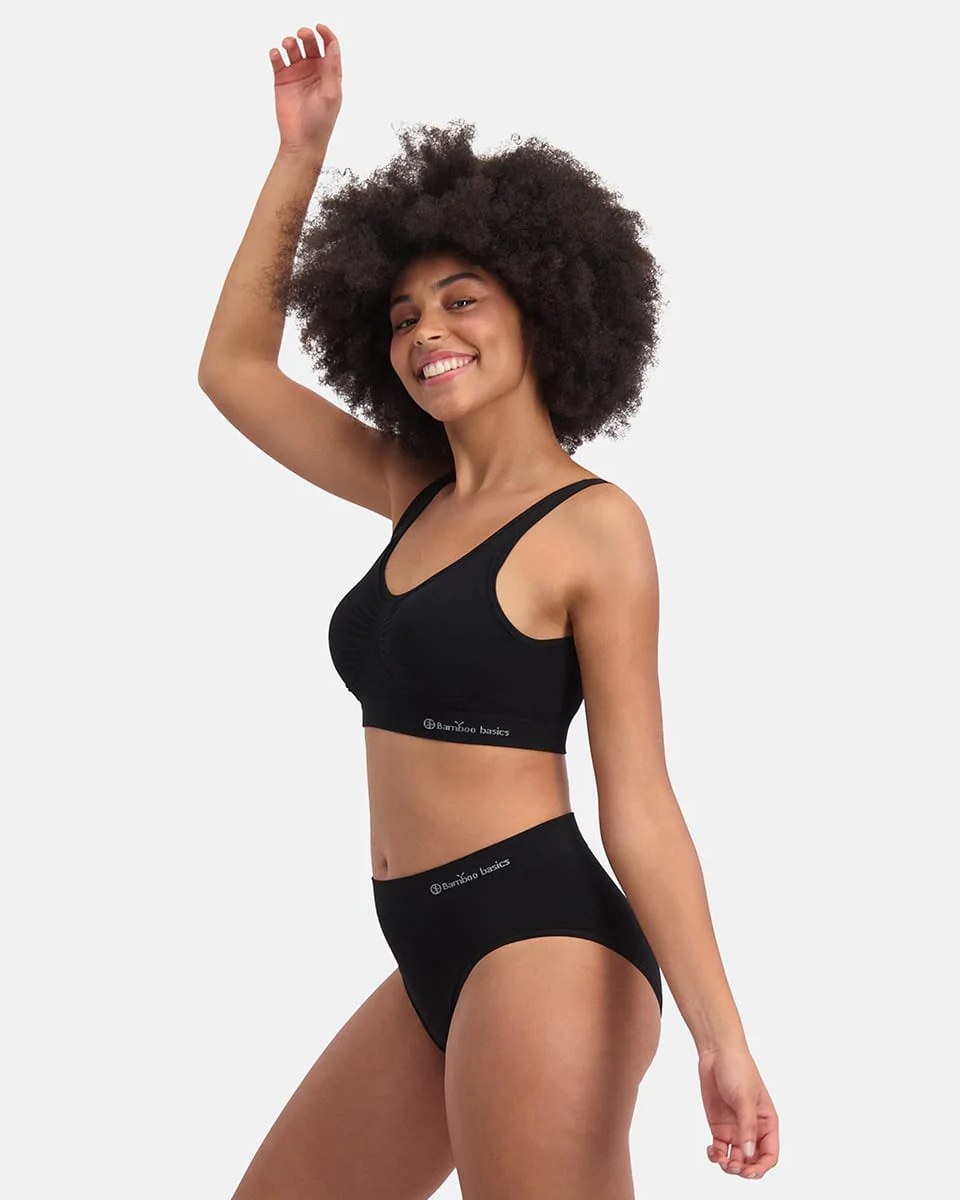
Underwear is the layer closest to the body, and it should be soft, stay in place and let moisture through. In the cold it is especially important that it does not turn clammy. Choose pants and bras without rough seams so nothing chafes under several layers. See bamboo underwear for women. Change your underwear before going home if you have sweated a lot, so you do not get cold on the way.
Breaks and warming up
The body needs to warm up during breaks. Leave the cold, drink something hot and eat properly, because the body uses extra energy to stay warm. Take off the outer layers when you are in a warm room so you do not start sweating and then feel cold when you go back in. If you often have cold, white fingers or toes, joint pain or other problems after working in the cold, talk to your doctor.
Washing and hygiene
Food production has strict hygiene rules, and work clothing is handled according to your employer's instructions. Your own inner layer can be washed at 40 degrees, or at 60 degrees if the care label allows it. Use a laundry bag and dry it on a rack. Avoid fabric softener, as it can make the fabric less able to let moisture through. Keep at least two sets of inner layers so you always have a dry one ready.
Frequently asked questions
How many layers should I wear in a cold room
Usually three: a close fitting inner layer, an insulating middle layer and the cold protective outerwear your employer provides.
Is cotton a good inner layer in the cold
Cotton holds on to moisture and can feel cold once you have sweated. A fabric that lets moisture through is often more comfortable.
Why do I feel coldest after a break
If you have sweated in the warm break room, the moisture turns cold when you go back into the cold. Take layers off during the break.