Clothing for night shifts and changing working hours
Short answer: On night shifts you sleep at times the body is not really set up for, and that often disturbs sleep more easily than usual. A cool, dark room and sleepwear that moves moisture away makes it easier to fall and stay asleep.
Sleep when it is warm outside
You sleep during the day when the room is often at its warmest because of sunlight and activity around you, which makes falling asleep harder. A material that moves moisture away from the skin therefore does more for comfort here than it would at night. See bamboo nightwear for women.
Bedding matters most
You have more bedding against your skin while you sleep than sleepwear on your body, and that is exactly where the difference is felt most clearly. Choose a material that does not trap heat unnecessarily, especially if you sleep in a warm room during the day. See bamboo bedding.
Clothing for the shift
Long hours on your feet call for socks without a tight band and a base layer that keeps you dry through the whole shift without clinging to the skin. That makes a real difference to how exhausted you feel once the shift is finally over. See all bamboo socks for men.
A change during work
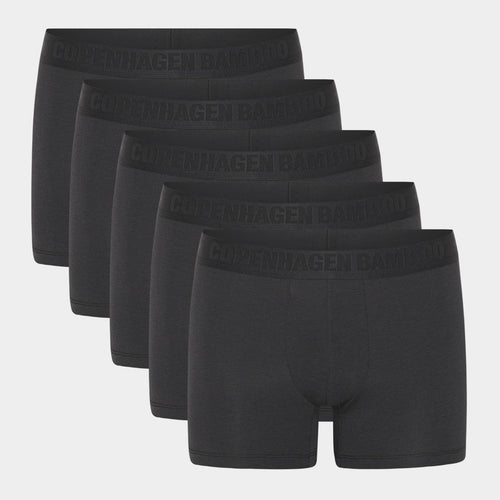
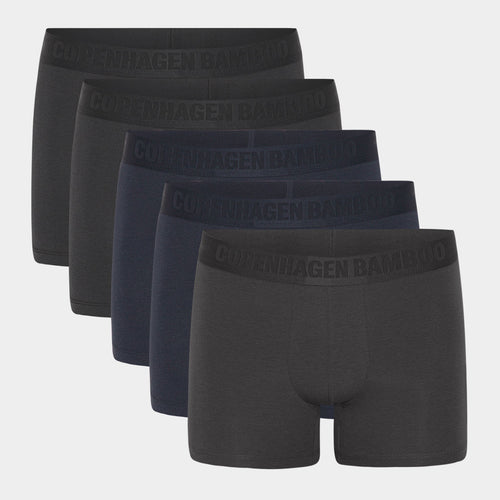
If the shift is long and physically demanding, changing your underwear partway through makes a real difference to how fresh you feel by the end. It is a small investment of time that pays off in energy for the rest of the shift. See bamboo underwear for men.
Washing on a rhythm
With rotating shifts, it is easiest to have enough sets of clothing to wash once a week rather than chasing dry clothes every single day. Plan a fixed laundry day that fits your rotation whenever you can arrange it. See washing and care.
Blackout helps the body
Light disrupts the body's internal clock far more than most people think, so blackout curtains make a real and measurable difference when you sleep during the day. Even faint light through a gap can shorten total sleep time noticeably over time.
Keep the room cool
A room that is too warm makes it hard to fall asleep no matter how tired you actually are after a long shift. Lower the temperature a few degrees before you lie down, and air the room out shortly before.
Plan the shift change
The switch from day to night shifts is often the hardest stretch for sleep, because the body's rhythm has to adjust completely in a short time. Give yourself an extra day to adjust the rhythm whenever you can plan it that way.
A fixed routine before sleep
Even when the sleep time changes from week to week, doing the same things every time before you lie down helps a great deal. The body recognises the signal faster, and you fall asleep more easily even in the middle of the day.
Frequently asked questions
What is hard about sleeping during the day?
That the room is often at its warmest right then because of sunlight and activity. A material that moves moisture away from the skin does more for comfort here.
What matters more for sleep, sleepwear or bedding?
Bedding matters most. You have far more of it against your skin while you sleep, so that is where the difference is felt most clearly.
Does a change during a long shift help?
Yes, especially if the shift is physically demanding. It does more for how fresh you feel afterward than any material choice alone ever could.
You can find the full range at Bamboo-Clothing.com.