Cotton training clothes or bamboo
Short answer: Cotton soaks up sweat and turns heavy and cold. Bamboo viscose moves moisture on, but for hard cardio, technical synthetic fabrics still hold their shape best. Many people end up with a mix, depending on the kind of training.
Cotton gets wet
A cotton top turns heavy and cold after twenty minutes of training. The fabric soaks up sweat and holds it, so the top clings to the skin and feels cold during breaks. That is the biggest drawback of cotton for training, and you notice it most in intervals and outdoor sessions.
Bamboo in the middle
Bamboo viscose moves moisture on and feels softer than both cotton and synthetics. On the other hand, it stretches more than technical fabric and can sag a little when wet. It therefore suits yoga, strength training and walks. See the styles in bamboo sportswear for women.
Technical fabric
For running and hard cardio, synthetic fabrics hold their shape best and dry fastest. They are made for exactly that kind of training and are hard to beat when the sweat really comes. For a fuller comparison of the two, read bamboo compared with technical sports fabric.
Odour
Natural fibres typically start to smell later than synthetics, which tend to hold on to odour even after washing. That is one reason many prefer bamboo viscose for training with moderate sweat. The same goes for socks, where odour is often the main problem. Read more about odour free socks.
Underwear
The innermost layer matters most, whatever the outer layer is made of. If you train in a technical top over a wet cotton layer, you lose much of the benefit. An inner layer that moves moisture makes the whole outfit more comfortable. See the options in bamboo underwear for men.
Washing
Wash training clothes soon after use, so the sweat does not settle in the fibres. Do not leave them damp in your bag. Skip fabric softener, which makes the fabric worse at moving moisture, and keep bamboo viscose at 40 degrees. All the practical rules are in the washing guide.
Fit for training
Training clothes should sit so they do not chafe or slide as you move. For running, a close fit is often best, while looser cuts work for yoga and strength. Bamboo viscose gives and is soft at seams and edges, which many appreciate during long sessions with repeated movements.
See also
If you train a lot in sleeveless tops, there is a separate guide to that style. It looks at which kinds of training bamboo suits and when another material is better. Read more in bamboo for training.
What to have of each
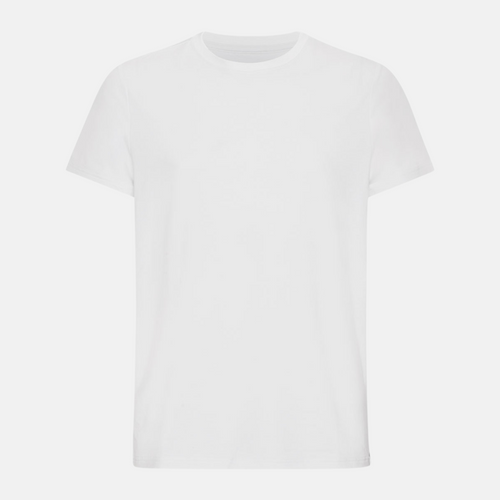
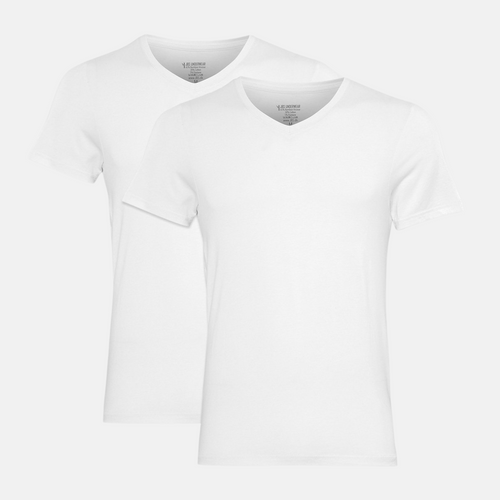
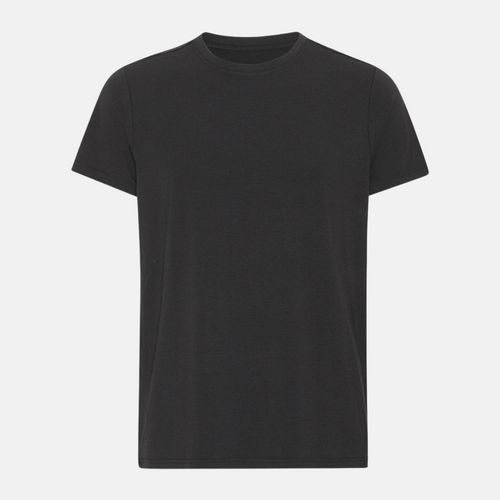
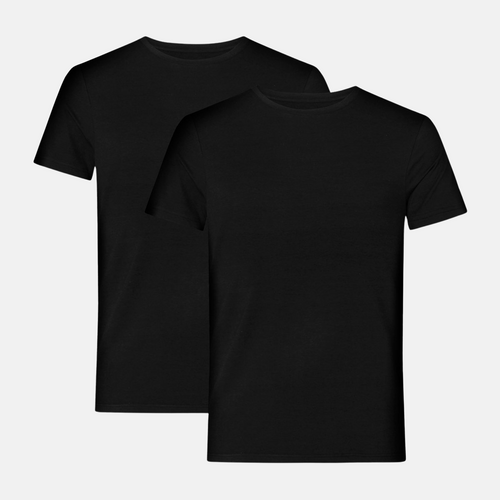
Many end up with technical fabrics for running and bamboo viscose for strength training and everyday wear. The two do not rule each other out, and it is fine to have some of both. A soft T-shirt works at the gym and afterwards. See the styles in bamboo T-shirts for men.
When cotton is fine
Cotton is not ruled out. For calm training with little sweat, or for warming up and stretching, a cotton top works well. The problem only starts when it gets soaked. If you have cotton in the wardrobe, use it on the calm days and save the other materials for hard sessions.
Frequently asked questions
Is cotton bad for training?
Not for calm training, but it turns heavy and cold when you sweat a lot. For intervals and outdoor sessions, bamboo viscose or technical fabric is a better choice.
What is best for running?
For running and hard cardio, technical synthetic fabrics hold their shape best and dry fastest. Bamboo viscose suits strength, yoga and walks with moderate sweat better.
Does bamboo smell less than polyester?
Natural fibres typically start to smell later than synthetics, which often keep odour after washing. Still, wash training clothes soon after use so the sweat does not settle in.